







Are 6500K LED Headlights Legal? Regulatory Overview for Buyers

- How headlight regulations work: basics every buyer should know
- Regulatory focus: performance, safety and approval, not just Kelvin
- Kelvin vs. chromaticity: why 6500K is an incomplete indicator
- Legal framework by region
- United States (DOT / FMVSS 108)
- European Union / United Nations (ECE Regulations)
- Other markets (UK, Australia, Canada)
- Safety, performance and optical considerations
- Glare and beam pattern: the primary safety concerns
- Human factors: perception, contrast and night driving
- Durability, thermal management and on-road stability
- Practical guidance for buyers and installers
- How to confirm whether a 6500K LED headlight is legal
- Choosing between 3000K–5000K and 6500K units
- Off-road vs. on-road use and enforcement
- Comparison: how jurisdictions treat 6500K-style LEDs
- How to buy compliant 6500K-style LED headlights
- Check documentation and third-party test reports
- Choose assemblies designed for your vehicle
- Work with reputable manufacturers and distributors
- Industry perspective: why manufacturers matter
- Certification capability and technical competence
- Aftermarket trends and enforcement
- Bliauto: compliance-minded manufacturing partner
- FAQ — common buyer questions
- 1. Are 6500K LED headlights illegal everywhere?
- 2. Will using 6500K headlights get me fined?
- 3. How can I tell if a product is compliant?
- 4. Are 6500K headlights worse for night driving?
- 5. Can 6500K LED lights be sold for off-road use?
- 6. What's the difference between an LED bulb and a full LED headlamp assembly?
- Final recommendations and next steps
Are 6500K LED headlights legal is a common question among buyers drawn to the crisp, white-blue look of high-color-temperature LEDs. The short answer: legality depends less on the numeric Kelvin value and more on whether the unit meets the applicable photometric, chromaticity and type-approval standards in the jurisdiction where it will be used. This article explains how regulators assess headlights, where 6500K products typically fail or pass, and practical buying guidance for drivers, fleet managers and resellers.
How headlight regulations work: basics every buyer should know
Regulatory focus: performance, safety and approval, not just Kelvin
Most vehicle lighting rules are written around measurable optical parameters (beam pattern, luminous intensity, glare control) and chromaticity coordinates rather than a single correlated color temperature (CCT) in Kelvin. Agencies like the U.S. National Highway Traffic Safety Administration (NHTSA) regulate headlamp performance under FMVSS 108 (https://www.nhtsa.gov/regulations/fmvss/vehicle), while the United Nations Economic Commission for Europe (UNECE) issues ECE regulations such as Regulation 112 for headlamps (https://unece.org/transport).
Kelvin vs. chromaticity: why 6500K is an incomplete indicator
Correlated color temperature (e.g., 6500K) describes perceived tint but does not fully define whether a lamp's spectral output falls within legal chromaticity coordinates used in standards. Chromaticity diagrams and standards (for example, SAE color specs and ECE chromaticity limits) are the legally referenced measures. See the overview on headlamp design and standards (https://en.wikipedia.org/wiki/Headlamp_(vehicle)).
Legal framework by region
United States (DOT / FMVSS 108)
In the U.S., headlamps must conform to FMVSS 108 and often to SAE specifications for photometry and chromaticity. The DOT marking on a headlamp indicates compliance. There is no simple numeric Kelvin limit; instead, non-compliant aftermarket LED assemblies (including some marketed as 6500K) are illegal for on-road use if they lack DOT approval or if their chromaticity/beam pattern produces illegal glare or fails photometric tests (NHTSA FMVSS 108).
European Union / United Nations (ECE Regulations)
In EU and ECE markets, headlamps must have type-approval under ECE regulations such as R112 (for certain beam types). ECE rules define chromaticity boxes and photometric limits rather than Kelvin. A 6500K lamp can be legal if the spectral output lies within approved chromaticity limits and the unit passes beam pattern and intensity tests (UNECE transport documents).
Other markets (UK, Australia, Canada)
Many countries adopt UNECE or national equivalents. The UK historically followed ECE rules; Australia uses ADR standards; Canada aligns closely with FMVSS but has its own certification. Always check local vehicle standards and enforcement: e.g., local transport agencies or road authorities provide guidance on aftermarket lighting.
Safety, performance and optical considerations
Glare and beam pattern: the primary safety concerns
High CCT (e.g., 6500K) tends to concentrate blue wavelengths, which scatter more in the atmosphere and can increase glare for oncoming drivers if beam cutoff and shielding are inadequate. Regulatory photometric tests measure intensity in defined zones to ensure glare is controlled. Even a DOT/ECE-approved LED that appears very blue will be legal if it meets photometric and chromaticity specifications.
Human factors: perception, contrast and night driving
Higher color temperatures can improve contrast on certain surfaces during low-light conditions but may reduce visual comfort. Studies of mesopic vision and glare show that blue-rich light sources can impact visual performance and perceived glare, so regulators balance color against safety outcomes. For buyer decisions, prioritize approval and correct beam optics over CCT marketing.
Durability, thermal management and on-road stability
Beyond light color and beam pattern, headlamp legality and safety depend on reliable thermal management, consistent lumen output, and resistance to moisture ingress. Inferior LED retrofits claiming 6500K may suffer lumen depreciation or beam shift, causing non-compliance over time.
Practical guidance for buyers and installers
How to confirm whether a 6500K LED headlight is legal
Look for the following indicators:
- Certification markings: DOT (United States) or E-mark / ECE approval number (Europe). Absence often means illegal for street use.
- Manufacturer test data: photometric reports, chromaticity coordinates and test lab certificates.
- Installation compatibility: reflectors/projector units designed for LED modules; mismatch can create illegal scatter.
Choosing between 3000K–5000K and 6500K units
Most OEM headlights cluster between 3000K and 5000K. These ranges balance contrast and reduced glare. If you prefer 6500K aesthetics, choose a type-approved assembly with documented photometrics. If no approval exists, treat 6500K as primarily an off-road or show spec.
Off-road vs. on-road use and enforcement
Many jurisdictions permit non-compliant lighting for off-road use (private property, racing, display). However, using unapproved 6500K lamps on public roads risks fines and safety penalties. Always check local enforcement policy.
Comparison: how jurisdictions treat 6500K-style LEDs
| Jurisdiction | Approval Standard | Color/Chromaticity | Are 6500K LEDs likely legal? |
|---|---|---|---|
| United States | FMVSS 108 / DOT markings (NHTSA) | Chromaticity & photometry required; Kelvin not sole measure | Only if DOT-approved and photometrically compliant; many 6500K retrofits are not |
| European Union / ECE | ECE R112 / Type approval (UNECE) (UNECE) | Chromaticity boxes defined; color temp allowed if within chromaticity | Possible, but must have E-mark and pass tests |
| Australia / New Zealand | ADR / Local equivalent | Standards emphasize photometry and chromaticity | Depends on ADR compliance; many aftermarket 6500K products non-compliant |
How to buy compliant 6500K-style LED headlights
Check documentation and third-party test reports
Demand laboratory photometric reports showing beam pattern, intensity curves and chromaticity coordinates. Legitimate manufacturers publish or supply these on request, and independent testing labs (e.g., TÜV, DEKRA, Intertek) can validate claims.
Choose assemblies designed for your vehicle
Aftermarket LED bulbs placed in reflectors designed for halogen often produce scatter and glare. Prefer complete assemblies (DOT/ECE-marked LED headlamp units or LED modules designed as direct OEM replacements) rather than plug-and-play bulbs that retrofit incompatible housings.
Work with reputable manufacturers and distributors
Buy from suppliers that provide warranties, technical support, and transparent compliance data. Reputable OEM/ODM manufacturers can provide private-label or custom-certified products for distributors and fleet customers.
Industry perspective: why manufacturers matter
Certification capability and technical competence
Manufacturers with in-house optical design, thermal engineering, and certification experience are better positioned to produce 6500K-looking products that still meet legal chromaticity and photometric limits. Certification is resource-intensive—choose partners that invest in lab testing and regulatory compliance.
Aftermarket trends and enforcement
Enforcement is increasing in many regions; regulators and inspection agencies focus on glare and unauthorized modifications. The trend favors fully certified LED systems with clear documentation over unapproved high-Kelvin retrofits.
Bliauto: compliance-minded manufacturing partner
Bliauto is a leading LED automotive manufacturer specializing in providing ODM (Original Design Manufacturer) and OEM (Original Equipment Manufacturer) custom solutions for LED lighting products. At Bliauto, we take pride in offering excellent private label, ODM, and OEM automotive lighting products and services. We cater to wholesale distributors, retailers, and business customers with confidence in our LED automotive product range, which includes superior off-road LED lights, LED light bars, LED driving lights, LED work lights for agricultural machinery, LED marine lights, LED searchlights, LED emergency warning lights, and much more. If you are ready to start an automotive lighting business, Bliauto is your best choice. From private labeling to custom packaging, we’re willing to make any necessary tweaks to meet your specific needs. Our vision is to become the world's leading automotive lighting manufacturer. Our website is https://www.bliauto.com/.
Bliauto advantages and core products (Headlights, Light Bars, Work Lights, Rock Lights, Driving Lights):
- Technical strength: optical simulation, thermal design, and in-house photometric testing.
- Compliance support: experience preparing DOT, ECE and other regional approval packages.
- Customization: private-label solutions, tailored packaging, and ODM/OEM engineering for fleet and retail channels.
- Product breadth: from off-road light bars to vehicle-specific LED headlamp assemblies.
FAQ — common buyer questions
1. Are 6500K LED headlights illegal everywhere?
No. 6500K as a number is not the legal determinant. What matters is whether the headlamp assembly meets the relevant photometric and chromaticity standards and has the proper approval marking (DOT, E-mark). Many 6500K-styled aftermarket bulbs are illegal for on-road use because they aren’t approved or they produce excessive glare.
2. Will using 6500K headlights get me fined?
Potentially, if the headlamps lack required approval or fail inspection. Enforcement varies by jurisdiction. Using non-approved lighting on public roads risks fines, inspection failure, and safety liability.
3. How can I tell if a product is compliant?
Look for DOT or E-mark approval, request photometric and chromaticity test reports from the manufacturer, and verify third-party lab certification (TÜV, Intertek, etc.). Ensure the assembly is designed for your vehicle's reflector or projector.
4. Are 6500K headlights worse for night driving?
Not necessarily, but blue-rich light at 6500K can increase perceived glare and scatter, potentially reducing comfort for oncoming drivers. Properly designed and approved 6500K-style systems can still be safe—prioritize tested beam patterns and certification.
5. Can 6500K LED lights be sold for off-road use?
Yes. Many non-approved, high-CCT LED products are marketed for off-road, show or private-property use. However, they should not be used on public roads unless they meet local legal requirements.
6. What's the difference between an LED bulb and a full LED headlamp assembly?
An LED bulb is a retrofit lamp intended to fit into an existing housing; compatibility issues often cause beam scatter and non-compliance. A full LED headlamp assembly is engineered as a complete unit with optics and thermal design, and can be certified as a whole—this is the preferred route for legal on-road use.
Final recommendations and next steps
When considering “are 6500K LED headlights legal” for your vehicle, take these practical steps:
- Prioritize assemblies with DOT or E-mark approval and accessible test documentation.
- Avoid plug-and-play retrofits in housings not designed for LEDs; choose vehicle-specific, certified assemblies.
- If you are a reseller or fleet buyer, work with an experienced OEM/ODM partner (such as Bliauto) that provides test reports and can support certification packages.
If you want help sourcing compliant LED headlight solutions, request certification data, or start a private-label product line, contact Bliauto for OEM/ODM services and product options tailored to your market. Visit Bliauto or reach out through their website to discuss compliant headlight, light bar, driving light and work light solutions.
Wholesale led pod rock lights manufacturer and supplier
Top 10 custom headlight Manufacturers and Supplier Brands
How to Install LED Rock Lights: Step-by-Step Guide for Beginners
Where to Buy battery led light bar in China
FAQ
What is the warranty period for your products?
We offer a warranty period of 12 months from the date of purchase for our LED lights and other products. During this period, we will repair or replace any defective items free of charge.
What services do you offer?
We offer custom design, manufacturing, and engineering services for LED lighting solutions, tailored to meet the specific requirements of our clients.
How can I get a quote or start a project with your company?
Dealers
What discounts can I enjoy as a distributor?
Distributors will enjoy exclusive wholesale prices and additional discounts based on order volume. We also provide special incentives based on market performance.
How do I apply to become your distributor?
You can apply by filling in the distributor application form on our website. After submitting your application, our team will contact you to discuss further details.
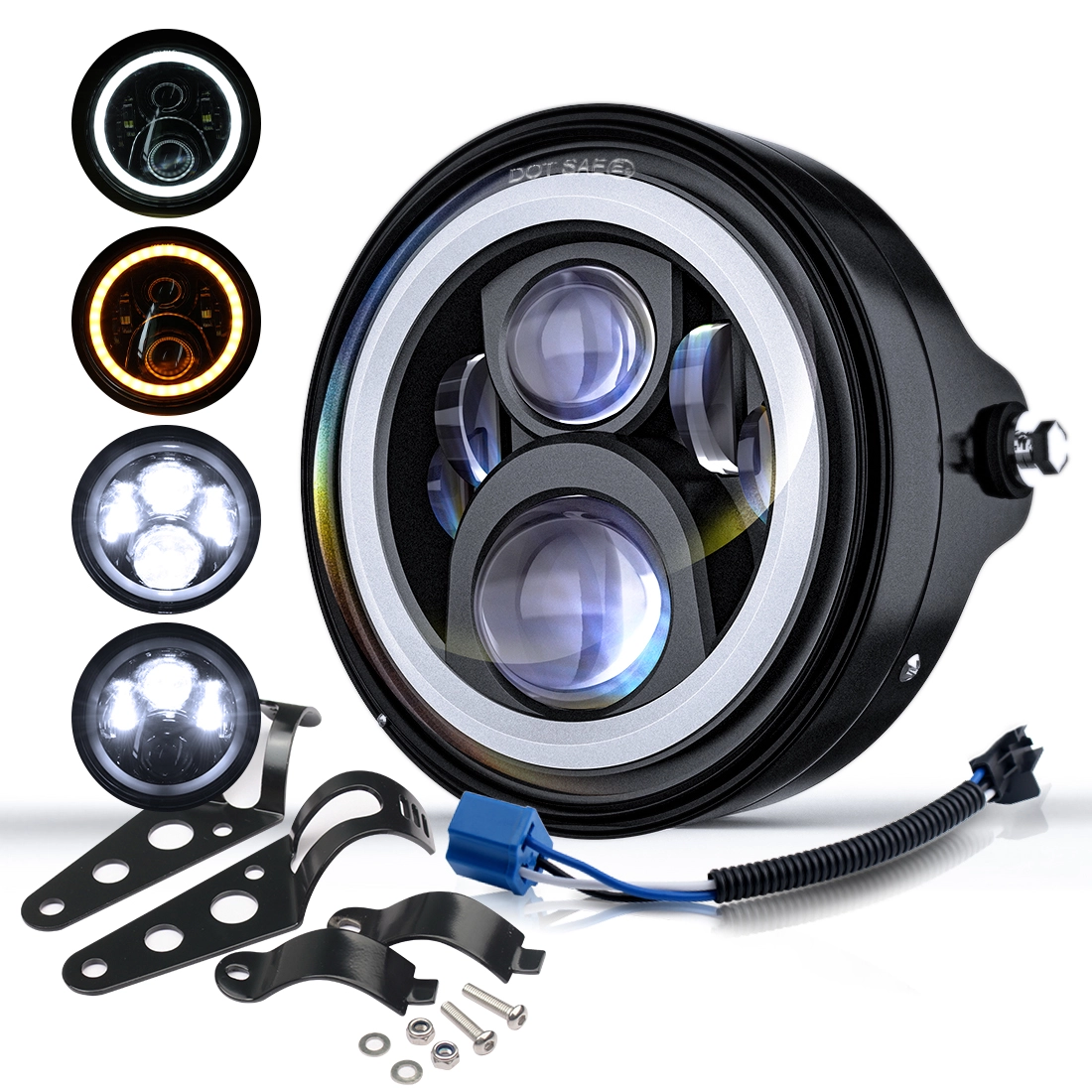
Motorcycle Led Headlight - Model C1H-WA
Bliauto Motorcycle Headlight - Model C1H-WA: High-quality LED design from leading brand manufacturers of motorcycle headlights. Precision Manufacturing Motorcycle Headlight ensures high visibility, durability, and easy fit for all riders.

Jump Starter - Model JS1
Bliauto JS1 Jump Starter – Reliable Power On-the-Go As a brand manufacturer & wholesale jump starter supplier, Bliauto delivers high-quality portable power solutions. The JS1 Jump Starter provides instant engine starts, USB charging, and durable performance—ideal for emergencies. Trusted by professionals, it’s compact, safe, and backed by expert engineering. Wholesale options are available—power up with Bliauto! Optimized for SEO with target keywords while maintaining clarity and brand authority. Let me know if you'd like refinements!
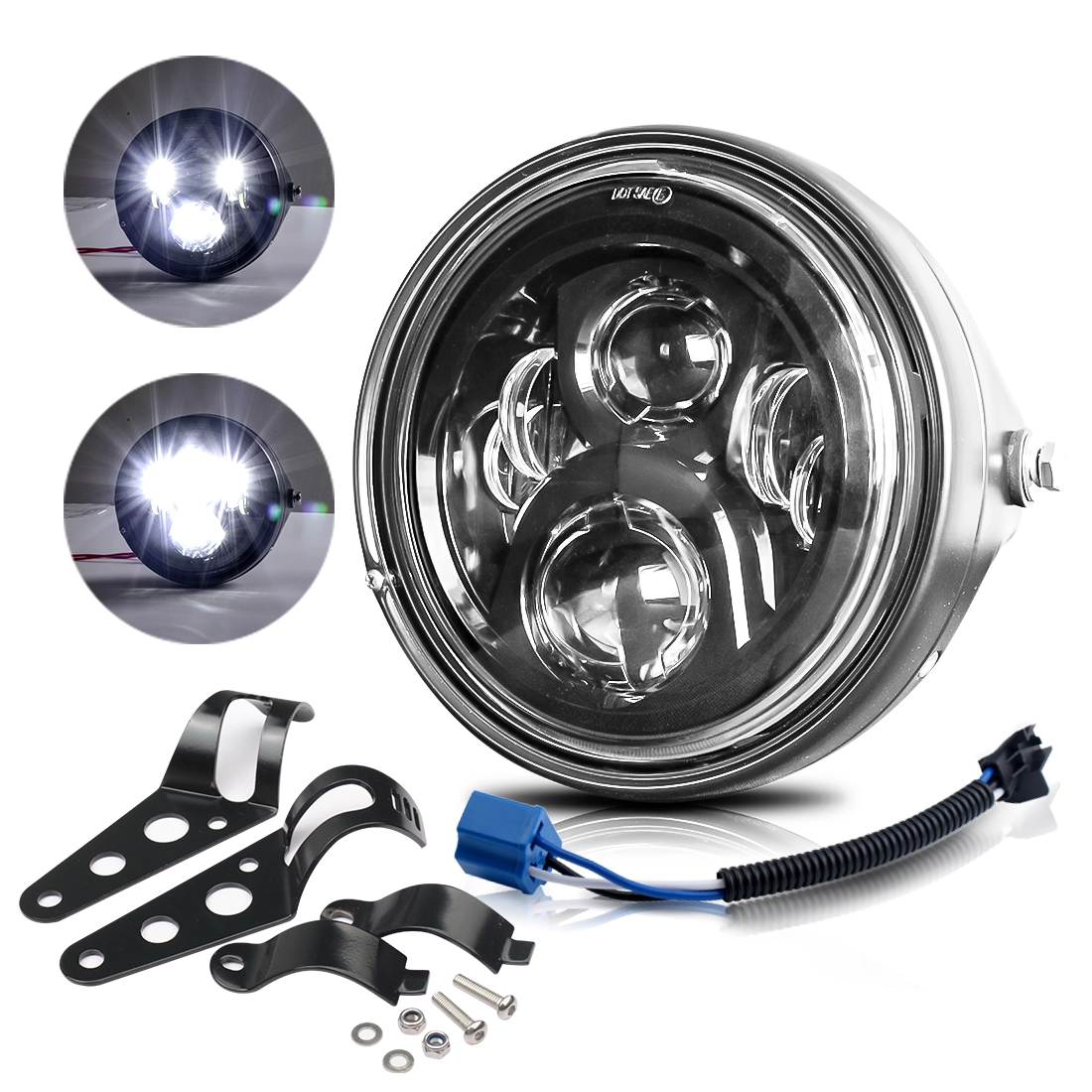
Motorcycle Led Headlight - Model C1H-HL
Bliauto Motorcycle Headlight - Model C1H-HL: High-quality brand motorcycle headlight with durable LEDs, easy installation, and high-beam performance. Trusted brand manufacturers motorcycle headlights for safety. Choose Manufacturing Motorcycle Headlight quality.
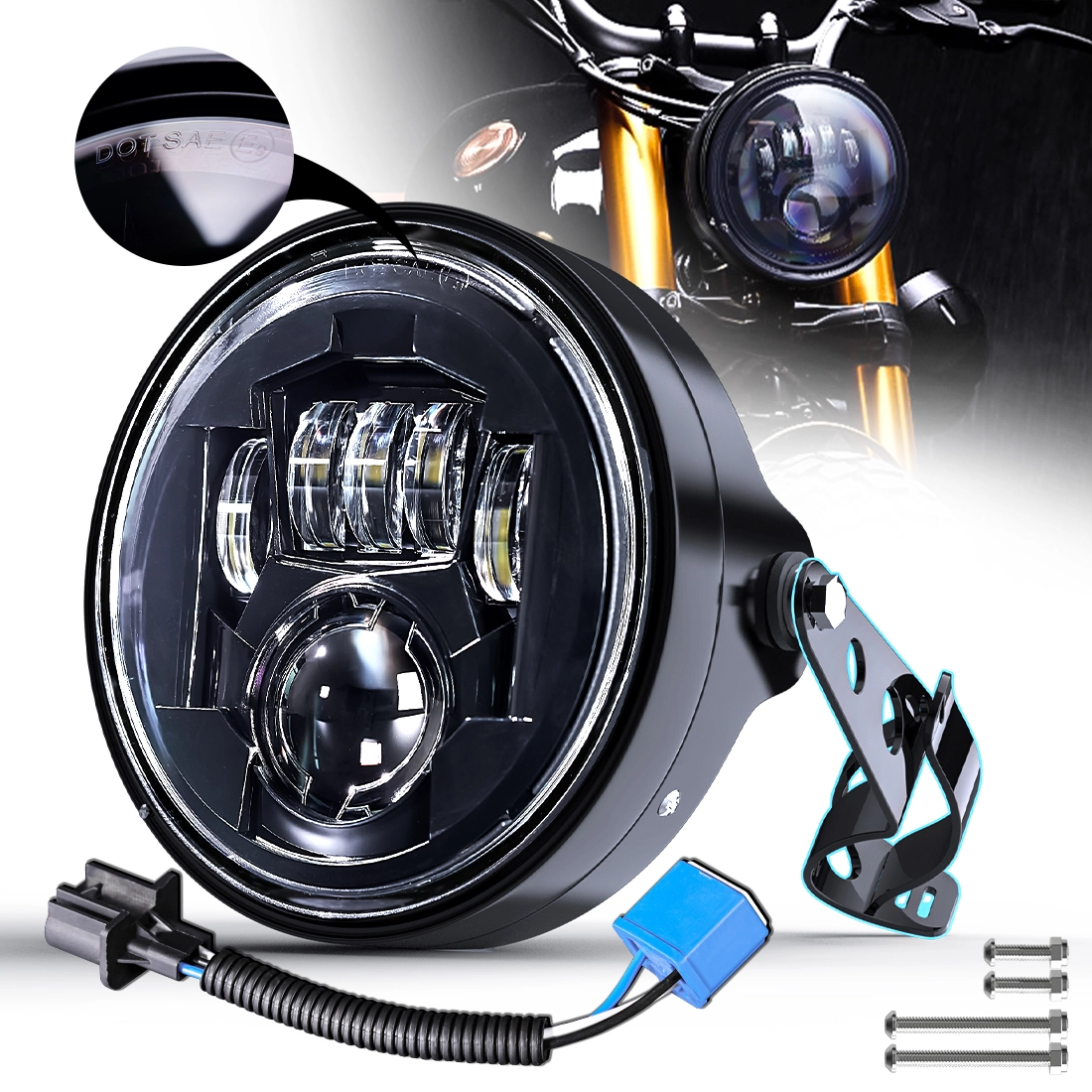
Motorcycle Led Headlight - Model C2H-HL
Bliauto Motorcycle Headlight - Model C2H-HL: high-brightness, energy-efficient LED beam for superior visibility and durability. Perfect for brand manufacturers of motorcycle LED headlights, manufacturing motorcycle LED headlights, and brand motorcycle LED headlight supply.
Your Trusted Partner for Customized Automotive LED Lighting Solutions
 info@bliauto.com
 +86 188 1184 6160
© 2025 Bliauto All Rights Reserved.
Bliauto
Bliauto Light
Bliauto
Bliauto Light
Bliauto
Whatsapp: +8618811846160