







Environmental Regulations Impacting LED Headlight Suppliers

- Navigating Global Environmental Rules for Automotive LED Lighting
- Why environmental regulation matters to LED headlight suppliers
- Key regulatory categories affecting LED headlamps
- Regional Requirements and Their Practical Impact
- European Union: RoHS, WEEE, REACH and CE directives
- United States: FMVSS, state rules and chemical warnings
- Other markets: UNECE, China, and regional specifics
- Standards, Testing, and Documentation Suppliers Must Deliver
- Core technical and environmental tests
- Documentation and supply-chain requirements
- Comparing Compliance Obligations by Region
- Visual comparison table
- What the table means for custom led lights for cars
- Practical Compliance Roadmap for Suppliers and OEM/ODM Partners
- Step 1 — Regulatory scoping and target-market definition
- Step 2 — Design for compliance and sustainability
- Step 3 — Testing, certification and production control
- Step 4 — Post-market monitoring and update path
- Industry Best Practices and Technical Considerations
- Supply-chain controls and documentation
- Quality systems and automotive standards
- Business impact: Costs, lead times and competitive differentiation
- How Bliauto Helps OEM/ODM Partners Comply and Compete
- Bliauto’s compliance-ready manufacturing approach
- Product range and private-label services
- Competitive advantages and technical strengths
- Frequently Asked Questions (FAQ)
- 1. What is the single most important compliance requirement for LED headlight suppliers?
- 2. Do custom led lights for cars need different approvals than OE headlights?
- 3. How do I prove my LEDs meet RoHS or REACH requirements?
- 4. Are LM-80 and IEC 62471 tests mandatory?
- 5. How should I plan product design to minimize future regulatory rework?
- 6. How can Bliauto assist with regulatory testing and documentation?
- References and Authoritative Sources
Navigating Global Environmental Rules for Automotive LED Lighting
Why environmental regulation matters to LED headlight suppliers
LED headlight manufacturers and suppliers—especially those providing custom led lights for cars—operate at the intersection of safety, performance and environmental compliance. Regulations influence material selection, component sourcing, product design, lab testing, labeling and end-of-life handling. Noncompliance can result in import bans, costly recalls, fines, and reputational damage. Understanding regulatory intent (toxicity reduction, waste management, electromagnetic compatibility and photobiological safety) helps suppliers mitigate risk and design products that sell globally.
Key regulatory categories affecting LED headlamps
For suppliers the main regulatory categories to track are:
- Restrictions on hazardous substances (RoHS, REACH)
- Waste and take-back obligations (WEEE and national schemes)
- Lighting and vehicle safety standards (UNECE regs, FMVSS)
- Electromagnetic compatibility (EMC) and electrical safety (EU EMC/LVD)
- Photobiological safety and optical limits (IEC 62471, regional guidance)
- Consumer and local chemical warnings (California Proposition 65, national equivalents)
Regional Requirements and Their Practical Impact
European Union: RoHS, WEEE, REACH and CE directives
The EU remains one of the most prescriptive markets. RoHS restricts certain hazardous substances (lead, mercury, cadmium, hexavalent chromium, PBBs, PBDEs and others in the scope) in electrical equipment. REACH controls chemicals placed on the market and requires suppliers to notify and manage substances of very high concern (SVHC). WEEE imposes producer responsibility for collection and proper treatment of electronics waste. For the EU market, CE marking may also be required under directives for EMC and low voltage, indicating conformity to applicable standards.
United States: FMVSS, state rules and chemical warnings
In the U.S., vehicle lighting is governed by Federal Motor Vehicle Safety Standard (FMVSS) No. 108, which defines performance, photometry and installation requirements. While FMVSS does not typically replicate EU chemical rules like RoHS, manufacturers selling replacement and custom led lights for cars must also consider state rules (e.g., California’s chemical disclosure and environmental initiatives) and general product safety regulations. Proposition 65 in California requires warnings for products containing listed chemicals above specified thresholds.
Other markets: UNECE, China, and regional specifics
Many countries either adopt UNECE vehicle regulations (common in Europe and many export markets) or maintain national GB/CCC standards (China). Suppliers must map target markets and confirm whether UNECE approvals, national homologations, or local certifications (e.g., CCC in China) are required. Importantly, UNECE regulations cover headlamp performance and dynamic features (e.g., adaptive front lighting) and are periodically updated—suppliers should track amendments.
Standards, Testing, and Documentation Suppliers Must Deliver
Core technical and environmental tests
To enter regulated markets, LED headlight suppliers must provide:
- Photometric testing (to FMVSS 108, UNECE R112/R123 equivalents)
- Electromagnetic compatibility (EMC) testing per regional directives
- Electrical safety testing under Low Voltage Directive or local equivalents
- Photobiological safety assessment (IEC 62471) to manage blue-light risk
- LED lumen maintenance testing (LM-80 & TM-21 guidance) for lifetime claims
- Material and chemical testing for RoHS/REACH (including supplier declarations and lab analysis)
Documentation and supply-chain requirements
Regulators and commercial customers expect a high level of traceability and documentation, including:
- Declaration of Conformity and Technical File (CE markets)
- Material declarations (RoHS, REACH SVHC status)
- Test reports from accredited labs (photometric, EMC, IEC 62471, LM-80)
- Quality management evidence (ISO 9001, IATF 16949 for automotive suppliers)
- End-of-life and WEEE registration details, where applicable
Comparing Compliance Obligations by Region
Visual comparison table
| Regulatory Area | European Union | United States | China / Other Markets |
|---|---|---|---|
| Hazardous substance limits | RoHS (restricts Pb, Hg, Cd, Cr VI, PBB, PBDE, plus ongoing additions) | No federal RoHS-equivalent (state initiatives exist) | RoHS-like rules and monitoring; local standards and enforcement |
| Vehicle lighting performance | UNECE regulations (type approvals) for many vehicles | FMVSS 108 governs lamps and signaling devices | National GB standards; CCC certification may be required |
| Waste & take-back | WEEE — producer responsibility and reporting | Limited federal take-back; state-level rules vary | Emerging E-waste rules and producer responsibilities |
| Labeling / warnings | CE marking, DoC, and local marking rules | State chemical warning laws (e.g., CA Prop 65) | Local labeling and safety marks (e.g., CCC) |
What the table means for custom led lights for cars
When supplying custom led lights for cars, the implication is clear: one-size-fits-all designs rarely work internationally. Design teams must consider region-specific optical, electrical and chemical requirements early in product development. A modular approach to electronics and materials—and robust documentation workflows—reduces time-to-market and the cost of rework.
Practical Compliance Roadmap for Suppliers and OEM/ODM Partners
Step 1 — Regulatory scoping and target-market definition
Start by mapping target markets and required certifications. If you sell across EU, US and China, plan for RoHS/REACH declarations, FMVSS or UNECE photometric approvals, and any national mark (CCC). This scoping determines material choices and testing needs.
Step 2 — Design for compliance and sustainability
Design choices that reduce regulatory friction include:
- Avoiding restricted substances; using certified alloy and plating suppliers
- Designing for modular electronics to allow region-specific ECU/driver configurations
- Selecting LEDs and drivers with LM-80 test data to substantiate lifetime claims
- Considering recyclability and ease of disassembly for WEEE compliance
Step 3 — Testing, certification and production control
Use accredited laboratories for photometric, EMC and chemical tests. Maintain a clear technical file with test reports, bills of materials, supplier declarations and quality management records. Implement incoming material checks and periodic supplier audits to avoid accidental use of banned substances.
Step 4 — Post-market monitoring and update path
Regulations evolve. Establish a regulatory watch and a change-control process so that product updates, component substitutions or new firmware do not invalidate approvals. Keep customers informed—especially distributors and retailers who depend on compliant documentation to sell products in regulated markets.
Industry Best Practices and Technical Considerations
Supply-chain controls and documentation
High-performing suppliers implement supplier qualification, full material disclosure, and batch-level traceability. A strong supplier will provide Material Declarations (RoHS) and REACH information and be willing to support third-party testing if required by the buyer. For custom led lights for cars, insist on LM-80 data for LEDs and IEC 62471 for optical safety.
Quality systems and automotive standards
Automotive OEMs prefer suppliers with IATF 16949 certification in addition to ISO 9001, because it demonstrates process discipline and continuous improvement suitable for vehicle systems. For custom OEM/ODM arrangements, documented APQP/PPAP processes are often contractual requirements.
Business impact: Costs, lead times and competitive differentiation
Meeting environmental rules has cost and time implications (testing, documentation, and occasionally redesign). However, proactive compliance is also a market differentiator: customers and distributors want suppliers who guarantee lawful underpinnings for private-label or custom led lights for cars. Environmental credentials can accelerate market access and reduce commercial friction.
How Bliauto Helps OEM/ODM Partners Comply and Compete
Bliauto’s compliance-ready manufacturing approach
Bliauto is a leading LED automotive manufacturer specializing in providing ODM and OEM custom solutions for LED lighting products. With an emphasis on traceability, certified testing and automotive-grade production, Bliauto helps customers deliver compliant custom led lights for cars across global markets. Bliauto maintains robust documentation practices, supports product testing (photometric, EMC, IEC 62471, LM-80 where required), and helps arrange regional homologation support.
Product range and private-label services
At Bliauto, we take pride in offering excellent private label, ODM, and OEM automotive lighting products and services. We cater to wholesale distributors, retailers, and business customers with confidence in our LED automotive product range, which includes superior off-road LED lights, LED light bars, LED driving lights, LED work lights for agricultural machinery, LED marine lights, LED searchlights, LED emergency warning lights, and much more. From private labeling to custom packaging, we’re willing to make any necessary tweaks to meet your specific needs.
Competitive advantages and technical strengths
Bliauto’s competitive differentiators include:
- Automotive-grade engineering processes and supply-chain controls
- Compliance support for RoHS, REACH declarations and regional homologations
- Flexible ODM/OEM workflows that shorten product development cycles
- Comprehensive product portfolio: Headlights, Light Bars, Work Lights, Rock Lights, Driving Lights
- Commitment to quality and a vision to be the world’s leading automotive lighting manufacturer
If you are ready to start an automotive lighting business, Bliauto is your best choice. Our website is https://www.bliauto.com/.
Frequently Asked Questions (FAQ)
1. What is the single most important compliance requirement for LED headlight suppliers?
There’s no single requirement universally most important—compliance depends on target markets. For EU sales, RoHS/REACH and CE-related directives are critical. For vehicle-certified parts in the U.S., FMVSS 108 compliance is essential. Best practice: determine your markets first, then build a compliance plan covering chemical limits, photometric performance, EMC, and documentation.
2. Do custom led lights for cars need different approvals than OE headlights?
Yes and no. Functionally similar products follow the same performance standards (photometry and safety). However, aftermarket and replacement products often require separate approvals, and certain markets place stricter controls on retrofit items. Confirm whether your product is classified as an OE component or an aftermarket accessory in each jurisdiction.
3. How do I prove my LEDs meet RoHS or REACH requirements?
Suppliers typically collect Material Declarations from component vendors and validate critical parts with independent lab testing (e.g., XRF screening, chemical analysis) where risk exists. Maintain a technical file and supplier chain attestations, and be prepared to provide test reports to customers or authorities.
4. Are LM-80 and IEC 62471 tests mandatory?
They are not universally mandatory but are increasingly expected. LM-80/ TM-21 data substantiate lifetime and lumen maintenance claims, important for warranty and quality promises. IEC 62471 (photobiological safety) addresses eye-safety risk from blue light; many certifying bodies and OEMs request this assessment.
5. How should I plan product design to minimize future regulatory rework?
Design for compliance: use known-compliant components, keep modular electronics so firmware/hardware can be region-tailored, select materials with low-risk chemistries, and implement traceability for all components. Maintain a regulatory watch and change-control process to manage evolving lists of restricted substances or updated homologation requirements.
6. How can Bliauto assist with regulatory testing and documentation?
Bliauto supports customers by coordinating accredited testing, preparing technical files, providing material declarations and offering ODM/OEM services tailored to target-market requirements. Bliauto’s teams can help reduce time-to-market and ensure products meet the necessary environmental and safety standards.
Ready to discuss compliant custom led lights for cars or start a private-label project? Contact Bliauto to request product specifications, compliance documentation, and OEM/ODM options: https://www.bliauto.com/.
References and Authoritative Sources
- UNECE — Vehicle Regulations: https://unece.org/vehicle-regulations (accessed 2026-01-07)
- U.S. NHTSA — Lights, Signals and Reflective Devices: https://www.nhtsa.gov/equipment/lights-signals-and-reflective-devices (accessed 2026-01-07)
- European Commission — RoHS Directive and information: https://environment.ec.europa.eu/topics/waste-and-recycling/rohs-directive_en (accessed 2026-01-07)
- European Chemicals Agency (ECHA) — REACH: https://echa.europa.eu/regulations/reach/understanding-reach (accessed 2026-01-07)
- European Commission — WEEE Directive: https://environment.ec.europa.eu/topics/waste-and-recycling/waste-electrical-and-electronic-equipment-weee_en (accessed 2026-01-07)
- California Office of Environmental Health Hazard Assessment — Proposition 65: https://oehha.ca.gov/proposition-65 (accessed 2026-01-07)
- ISO — ISO 9001 Quality Management: https://www.iso.org/iso-9001-quality-management. (accessed 2026-01-07)
- IATF Global Oversight — IATF 16949 Automotive Quality Management: https://www.iatfglobaloversight.org/ (accessed 2026-01-07)
- IEC — Photobiological safety of lamps: information on IEC 62471 (IEC Webstore and summaries): https://www.iec.ch/ (accessed 2026-01-07)
- Bliauto Official Website — Corporate and product information: https://www.bliauto.com/ (accessed 2026-01-07)
Wholesale led driving fog lights manufacturer and supplier
Top Myths About Halogen and LED Headlights Debunked
Tips for Wholesale amber led light bar
Supplier Comparison: LED Tractor Lights Price vs Quality
Dealers
Do you provide customized headlights?
Yes, as an OEM/ODM manufacturer, we can provide customized headlight designs based on customer needs to help you stand out in the market.
What are the eligibility requirements to become a distributor?
We welcome applications from businesses of all sizes. We will evaluate based on the market demand, sales capabilities, and business background in your region.
FAQ
Can you customize LED lights for specific vehicle models?
Yes, we offer fully customized LED lighting solutions to fit a wide range of vehicles, including cars, motorcycles, trucks, and other transport vehicles.
What products does Guangzhou Jiabao Electronic Technology Co., Ltd. specialize in?
We specialize in providing ODM/OEM customized solutions for LED lighting systems for transportation vehicles, including cars, motorcycles, and trucks.
What is the difference between ODM and OEM services?
OEM (Original Equipment Manufacturer) services involve producing products based on the customer’s existing design, while ODM (Original Design Manufacturer) services include creating new designs according to customer specifications.
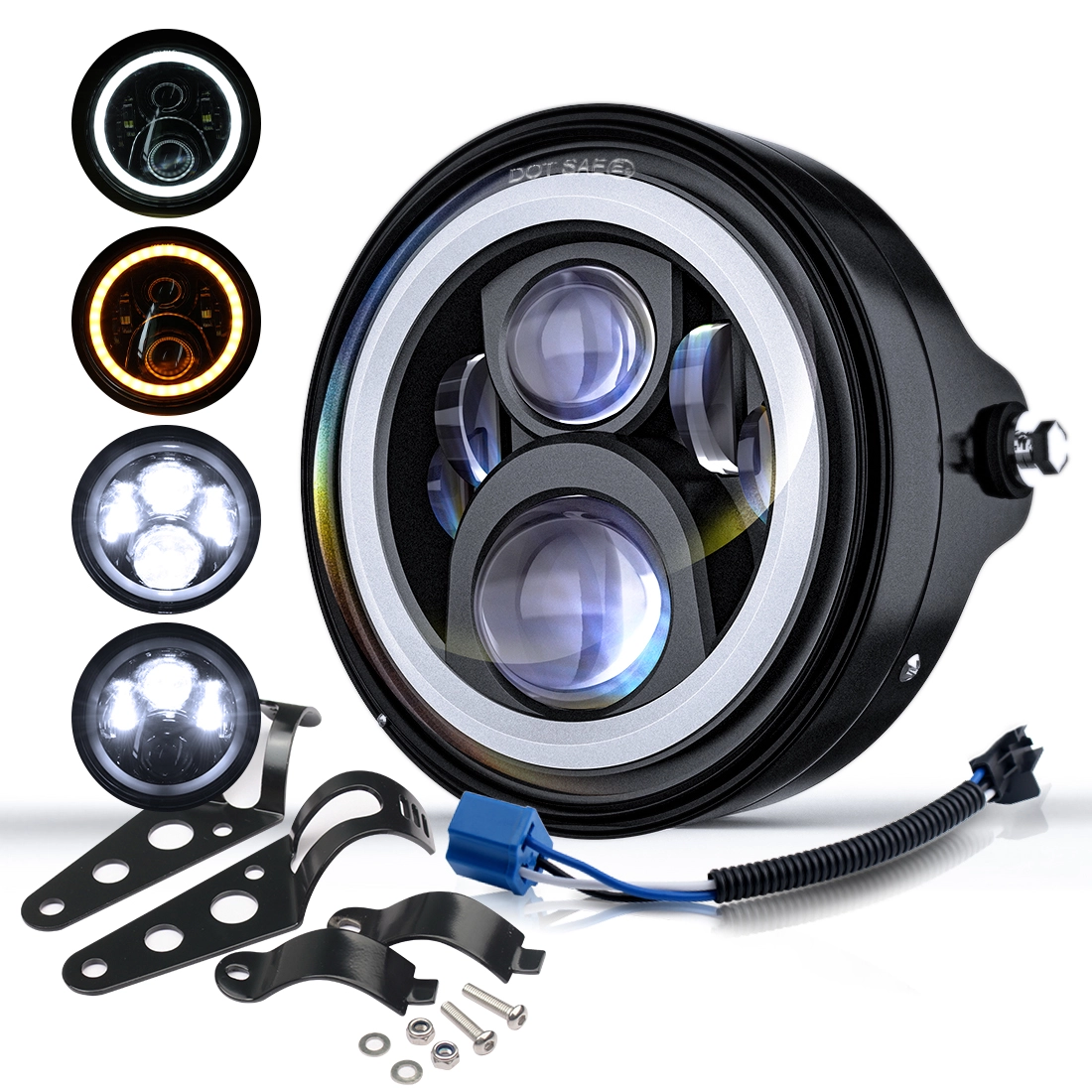
Motorcycle Led Headlight - Model C1H-WA
Bliauto Motorcycle Headlight - Model C1H-WA: High-quality LED design from leading brand manufacturers of motorcycle headlights. Precision Manufacturing Motorcycle Headlight ensures high visibility, durability, and easy fit for all riders.

Jump Starter - Model JS1
Bliauto JS1 Jump Starter – Reliable Power On-the-Go As a brand manufacturer & wholesale jump starter supplier, Bliauto delivers high-quality portable power solutions. The JS1 Jump Starter provides instant engine starts, USB charging, and durable performance—ideal for emergencies. Trusted by professionals, it’s compact, safe, and backed by expert engineering. Wholesale options are available—power up with Bliauto! Optimized for SEO with target keywords while maintaining clarity and brand authority. Let me know if you'd like refinements!
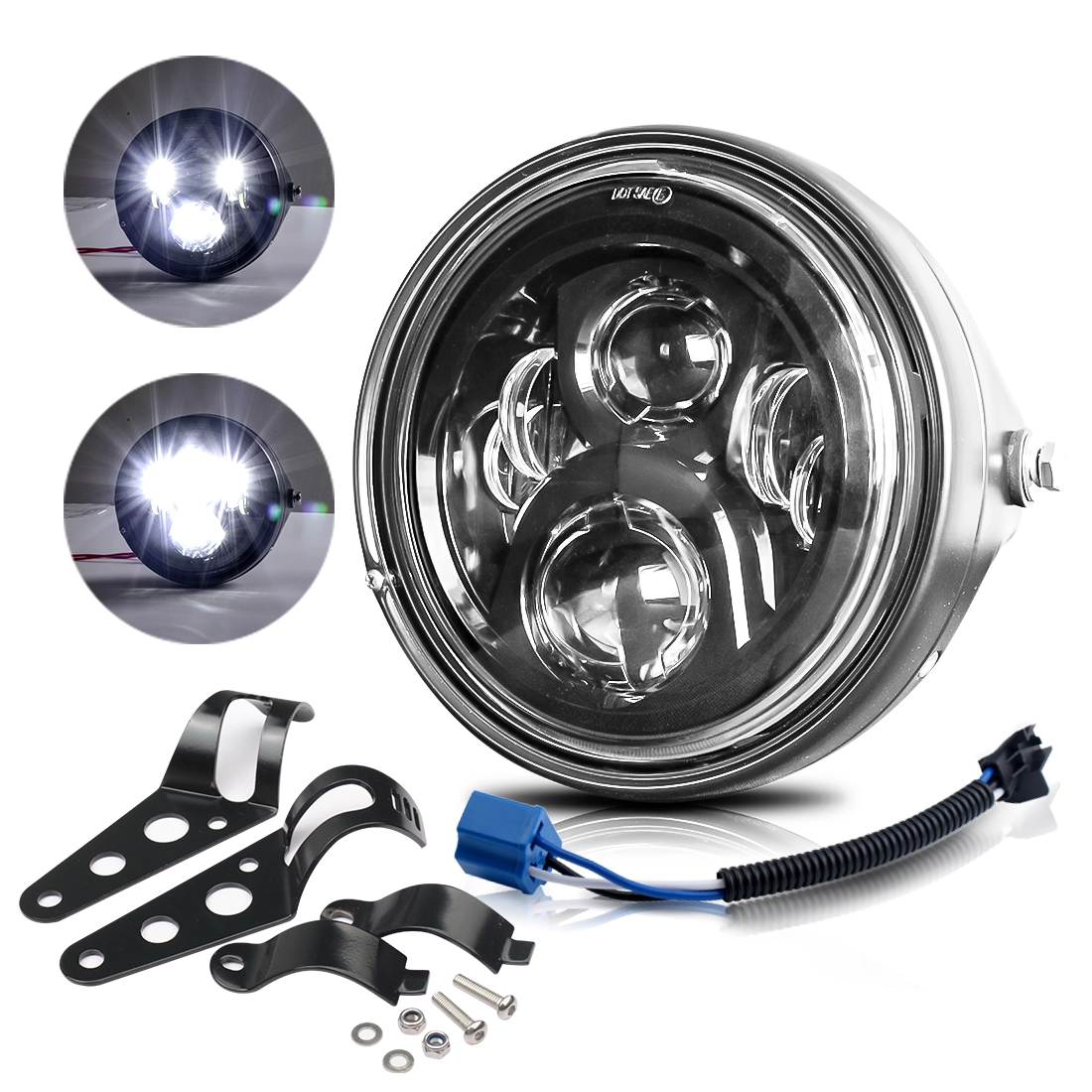
Motorcycle Led Headlight - Model C1H-HL
Bliauto Motorcycle Headlight - Model C1H-HL: High-quality brand motorcycle headlight with durable LEDs, easy installation, and high-beam performance. Trusted brand manufacturers motorcycle headlights for safety. Choose Manufacturing Motorcycle Headlight quality.
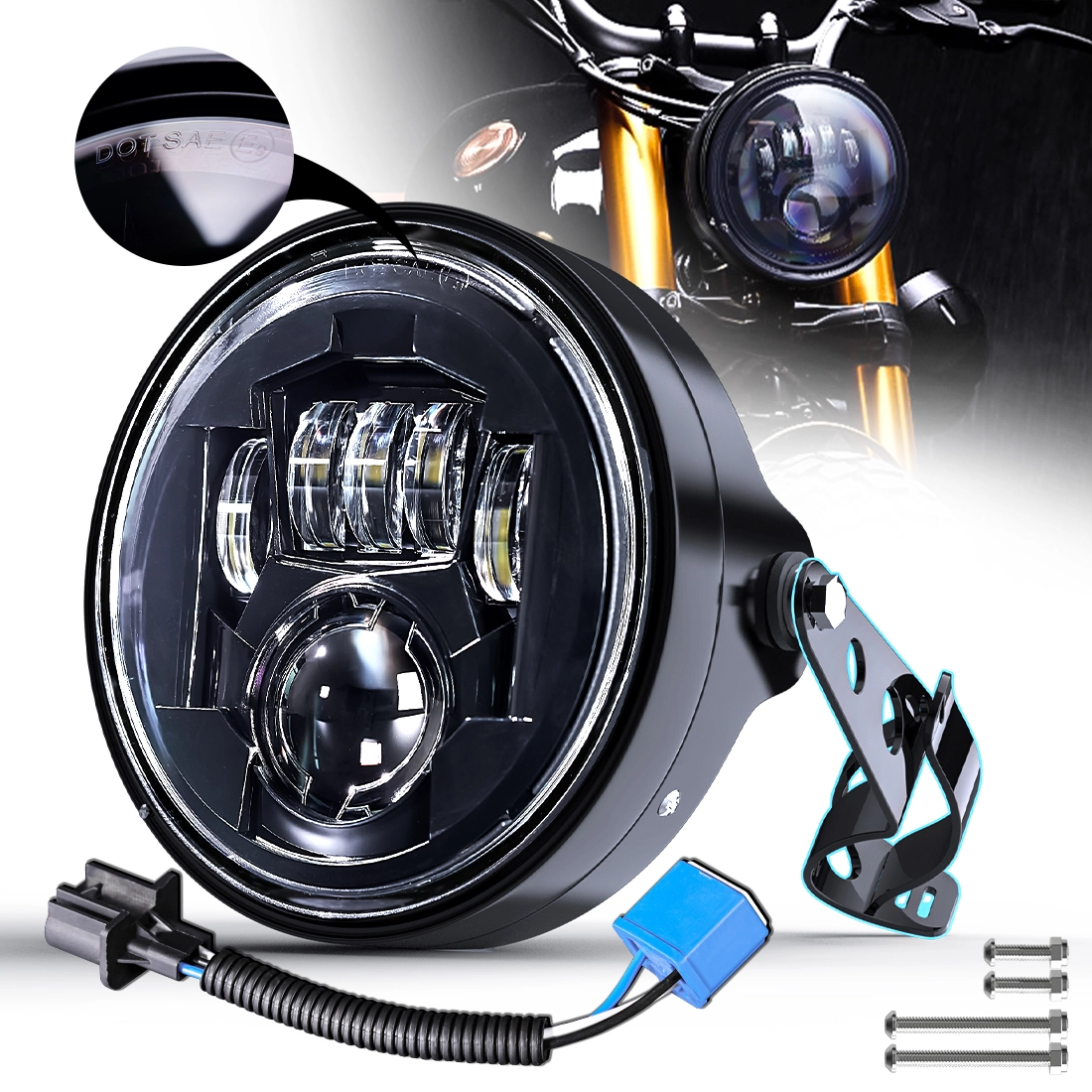
Motorcycle Led Headlight - Model C2H-HL
Bliauto Motorcycle Headlight - Model C2H-HL: high-brightness, energy-efficient LED beam for superior visibility and durability. Perfect for brand manufacturers of motorcycle LED headlights, manufacturing motorcycle LED headlights, and brand motorcycle LED headlight supply.
Your Trusted Partner for Customized Automotive LED Lighting Solutions
 info@bliauto.com
 +86 188 1184 6160
© 2025 Bliauto All Rights Reserved.
Bliauto
Bliauto Light
Bliauto
Bliauto Light
Bliauto
Whatsapp: +8618811846160