







Legal Tips: Mounting and Using LED Driving Lights Safely

- Legal Tips: Mounting and Using LED Driving Lights Safely
- Understand Local Laws and Regulations for LED Driving Lights
- Choosing the Right LED Driving Lights: Model V9-WS Features and Compliance
- Correct Mounting Locations and Methods for LED Driving Lights
- Aiming and Beam Pattern: How to Adjust LED Driving Lights to Meet Legal Standards
- Electrical Safety and Wiring Best Practices for LED Driving Lights
- When and Where to Use Auxiliary LED Driving Lights: On‑Road vs Off‑Road Considerations
- Maintenance, Inspection, and Documentation to Stay Compliant
- Bliauto Brand Advantages for Safe, Legal LED Driving Lights
- Table: Comparing LED Driving Lights Types and Typical Legal Considerations
- FAQ — Frequently Asked Questions about LED Driving Lights and Legal Use
- Contact and Where to View Product
- Authoritative References and Further Reading
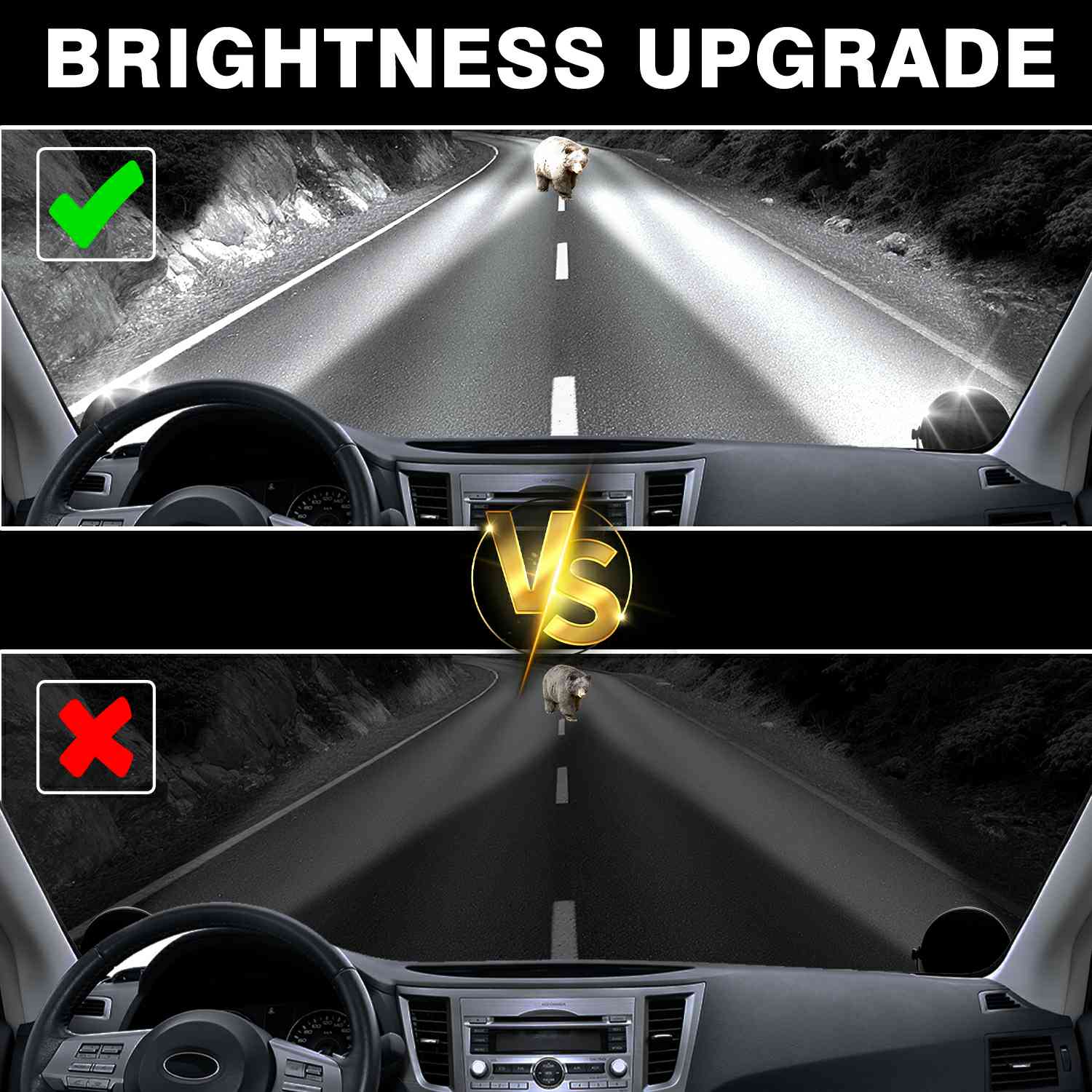
Legal Tips: Mounting and Using LED Driving Lights Safely
Auxiliary LED Driving Lights are a powerful upgrade for visibility on remote roads, rural highways, and off‑road trails. However, improper selection, mounting, aiming, or use can create hazards for other road users and may violate local vehicle lighting laws. This guide explains how to choose and install LED Driving Lights — with practical legal tips you can apply to Bliauto LED Driving Lights - Model V9-WS and similar products — so you maximize safety and stay compliant.
Understand Local Laws and Regulations for LED Driving Lights
Before buying or installing LED Driving Lights, check the specific laws in your jurisdiction. In the United States, Federal Motor Vehicle Safety Standard (FMVSS) 108 governs vehicle lighting equipment; many states also have additional rules on auxiliary lights. In many countries in Europe, UNECE regulations (for example, ECE R112 for headlamps and Class III/IV approvals for driving lamps) define permitted beam patterns and mounting criteria.
Key legal considerations to review in local statutes or vehicle codes include whether auxiliary lamps are allowed on-road, whether they must be covered when driving among traffic, maximum mounting height and lateral position rules, and whether the product requires type-approval (DOT, SAE, or E-mark) for road use. For example, some jurisdictions require that driving lights be aimed so they do not dazzle oncoming drivers and may limit their use when other traffic is present.
Choosing the Right LED Driving Lights: Model V9-WS Features and Compliance
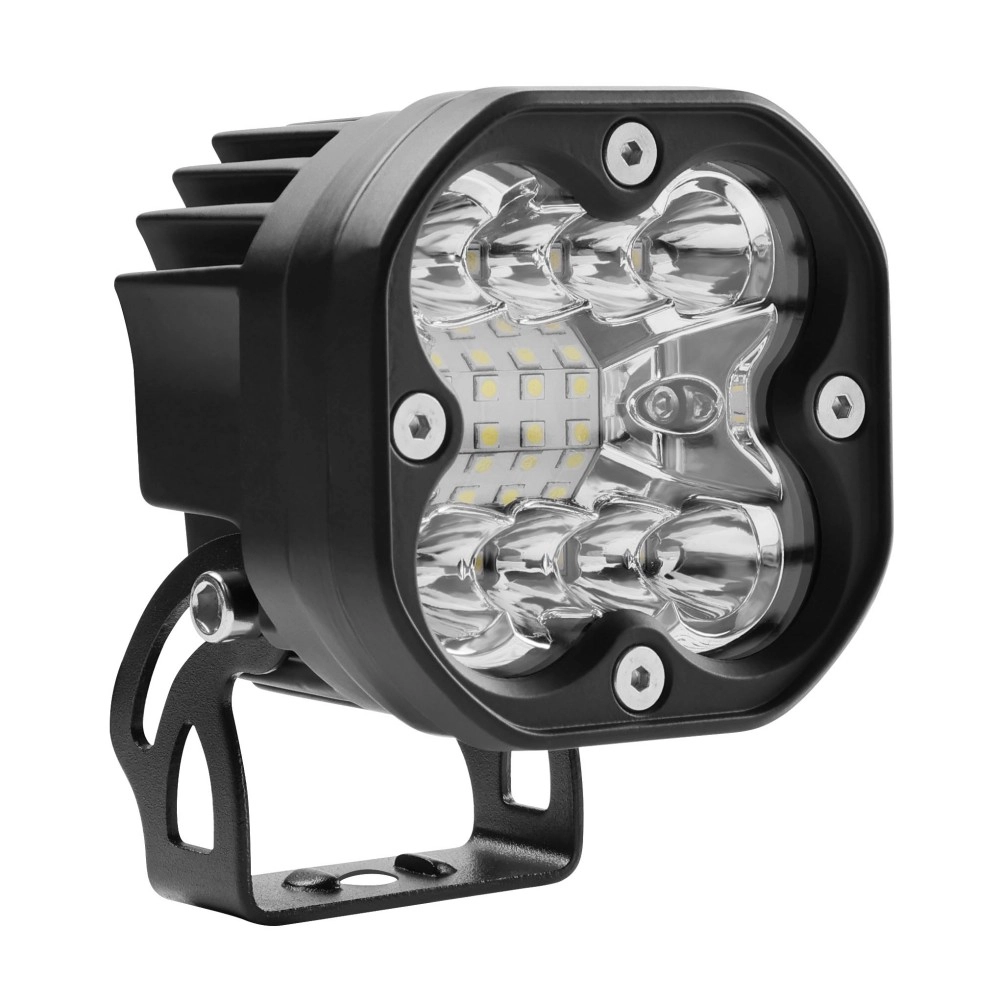
When selecting LED Driving Lights, prioritize certified products and documented specifications. Bliauto LED Driving Lights - Model V9-WS are engineered for durability and superior illumination, and Bliauto is a leading manufacturer specializing in LED driving lights and wholesale LED driving lights. Always confirm whether a model carries relevant approvals (DOT, SAE, or E-mark), because approved lamps are designed to meet beam-pattern and brightness requirements that reduce the risk of glare.
Other selection criteria to consider include beam pattern (spot, flood, or combo), lumen output and lux at distance (for measurable comparison), thermal management (heat sinks, thermal throttling), IP rating for ingress protection, and mounting options. Choosing fixtures that include installation instructions, aiming targets, and wiring harnesses simplifies compliant installation.
Correct Mounting Locations and Methods for LED Driving Lights
Where you mount LED Driving Lights affects legality, performance, and safety. Rules vary, but practical mounting guidelines include:
- Mounting height: Many jurisdictions set a maximum height for auxiliary lamps (often around 80–90 cm above road surface for certain auxiliary lights), though values vary. Keep mounts as low as practical while maintaining effectiveness.
- Lateral placement: Avoid mounting lights too close to the vehicle centerline or outside of the permitted track width. Many rules allow lights within a defined distance from the centerline; check your local code.
- Windshield obstruction and sensors: Do not mount on or near airbags, sensors, or parts that obstruct driver view. Avoid locations that could impair hood or trunk operation.
- Secure attachments: Use manufacturer-supplied mounting brackets or heavy-duty stainless hardware. Anti‑corrosion fasteners and sturdy tabs ensure the lights remain fixed under vibration and shock.
Following these best practices reduces the chance of legal complications and helps the lights perform as intended in real-world conditions.
Aiming and Beam Pattern: How to Adjust LED Driving Lights to Meet Legal Standards
Aiming is one of the most critical steps for legal compliance and safety. Incorrect aim can blind oncoming drivers; correct aim maximizes usable light without creating glare.
General aiming procedure (typical method):
- Park the vehicle on level ground perpendicular to a flat wall at a specified distance (commonly 25 feet/7.6 m for many lamps — check the manufacturer manual).
- Measure the centerline height of the installed lamp and mark that height on the wall.
- Turn on the lights and adjust vertical aim so the most intense part of the beam falls slightly below the center mark (downward bias reduces glare).
- Adjust horizontal aim so beams point straight ahead and not across oncoming traffic.
Different beam patterns have different aim requirements:
- Spot: Narrow, long-range; aim carefully to avoid blinding drivers at distance.
- Flood: Wide, short-range; useful for peripheral illumination but can cause near-field glare if aimed too high.
- Combo: Combine spot and flood elements; aim to balance distance and spread.
Electrical Safety and Wiring Best Practices for LED Driving Lights
Proper wiring ensures reliability and reduces risk of electrical faults that may lead to failure or fire. Key wiring best practices:
- Use a relay and dedicated fused circuit sized for the lamp's current draw — do not run multiple high-power lamps directly through the vehicle's factory switches unless the manufacturer permits it.
- Install an inline fuse at the battery positive terminal, located within 12 inches of the battery, sized per the harness instructions.
- Use automotive‑grade wiring, waterproof connectors (IP67 or higher recommended), and heat‑shrink or properly crimped terminals to protect against corrosion and vibration.
- Ground to a clean metal surface on the chassis; avoid grounding to body panels that can corrode or flex.
- Label and secure wiring away from high‑temperature components or moving parts.
Following these practices protects the lights and vehicle electrical system and helps maintain compliance with safety expectations for installed equipment.
When and Where to Use Auxiliary LED Driving Lights: On‑Road vs Off‑Road Considerations
Understanding permitted use is essential. Many jurisdictions allow full use of auxiliary driving lights only when operating off‑public roads or where there are no oncoming vehicles. On public roads, the common legal requirement is to switch off auxiliary driving lights when meeting other vehicles or when another vehicle is within a specified distance ahead.
Practical use tips:
- Use auxiliary driving lights only to supplement — not replace — vehicle headlamps and high beams in permitted situations.
- When oncoming traffic approaches, momentarily dim or turn off auxiliary lights to avoid blinding other drivers.
- Consider installing a switch that allows split activation (e.g., one set for off‑road or remote driving and one for legal on‑road use) if local laws permit splitting functionality.
Maintenance, Inspection, and Documentation to Stay Compliant
Regular maintenance keeps LED Driving Lights in proper working order and demonstrates responsible ownership if queried by enforcement officers. Recommended maintenance tasks:
- Monthly visual inspection for secure mounts, corrosion, cracked lenses, or damaged seals.
- Periodic cleaning of lenses to remove road film, salt, or mud; dirty lenses scatter light and increase glare.
- Check wiring and connectors annually, especially after off‑road use or heavy vibration.
- Retain purchase receipts, product specifications, and installation records — these can show the lights are manufacturer‑built and installed following recommendations.
Bliauto Brand Advantages for Safe, Legal LED Driving Lights
Bliauto LED Driving Lights - Model V9-WS are presented as high-quality, durable lighting solutions designed for superior illumination. Choosing a reputable manufacturer like Bliauto helps with legal compliance and safety for several reasons:
- Quality control and documented specifications make it easier to demonstrate compliance with local requirements.
- Robust housings and proper thermal management increase lifespan and reduce in-service failures that could create hazards.
- Manufacturers often provide installation guides, aiming templates, and technical support — resources that ease proper installation and legal alignment.
- Wholesale and OEM-focused brands like Bliauto commonly offer mounting kits and harnesses that meet or exceed industry best practices.
For those installing Bliauto LED Driving Lights - Model V9-WS, requesting the product's compliance documentation (DOT/ECE/SAE certs if available) and following the supplied installation guide are practical steps toward staying compliant and safe.
Table: Comparing LED Driving Lights Types and Typical Legal Considerations
| Type | Typical Beam Pattern | Typical Effective Range | Common Legal Notes |
|---|---|---|---|
| Spot | Narrow, focused | Long (200–1000+ meters depending on power) | Must be aimed carefully; higher risk of dazzling distant drivers; often restricted on public roads |
| Flood | Wide, short-range | Short to medium (up to ~200 meters) | Good for near-field visibility; may cause local glare if mounted too high |
| Combo | Combination of spot + flood | Balanced long- and short-range coverage | Versatile; aim to balance distance without increasing glare |
FAQ — Frequently Asked Questions about LED Driving Lights and Legal Use
Q: Are LED Driving Lights allowed on public roads?
A: It depends on local laws. Some regions permit auxiliary driving lights if they meet approval standards and are aimed to prevent glare; others restrict use to off‑road or allow them only when there is no oncoming traffic. Check local vehicle codes for specifics.
Q: Do I need DOT or E‑mark approval for LED Driving Lights?
A: Many jurisdictions require approved lighting. DOT/SAE approvals are common in the U.S., while E‑mark/UNECE approvals apply in many European countries. Use certified fixtures where required.
Q: How should I aim my Bliauto LED Driving Lights - Model V9-WS?
A: Use the standard aiming procedure — level ground, mark lamp height on a wall at manufacturer-specified distance, and adjust so the hotspot is slightly below the mark. Follow any specific aiming guidance provided with the product.
Q: Can I install LED Driving Lights myself?
A: If you have basic mechanical and electrical skills you can, but follow manufacturer instructions precisely, use a proper relay and fuse, and ensure secure mounting. If unsure, have a qualified technician do the installation to ensure safety and compliance.
Q: What penalties apply for improper use of auxiliary lights?
A: Penalties vary widely — from warnings to fines or equipment removal. Repeated or egregious misuse that causes an accident may carry more serious consequences. Compliance avoids liability and safety risks.
Q: Are there quick legal checks before driving with auxiliary lights?
A: Yes. Verify local rules for public roads, ensure lights are aimed properly, confirm harnesses and switches function (able to turn off for oncoming traffic), and keep documentation for the product on hand.
Q: Where can I get support for Bliauto LED Driving Lights - Model V9-WS?
A: Contact the Bliauto support or your reseller for installation guides, aiming procedures, compliance documents, and warranty information. Professional installers and reputable dealers can also advise on local regulations.
Contact and Where to View Product
For more information about Bliauto LED Driving Lights - Model V9-WS, compliance documentation, or professional installation assistance, contact our sales/support team or view the product page:
- Contact: Contact Us for technical and legal guidance.
- View Product: LED Driving Lights - Model V9-WS for specifications and ordering.
Authoritative References and Further Reading
- Federal Motor Vehicle Safety Standards — FMVSS 108 (Lighting): https://www.nhtsa.gov/regulations/federal-motor-vehicle-safety-standards-fmvss
- UNECE Vehicle Regulations (lighting standards, incl. ECE R112): https://unece.org/transport/vehicle-regulations
- Automotive headlamp overview (Wikipedia — technical background): https://en.wikipedia.org/wiki/Headlamp_(automotive)
- Society of Automotive Engineers (SAE) lighting standards: https://www.sae.org/standards
- NHTSA — vehicle lighting safety guidance: https://www.nhtsa.gov
By choosing approved products, installing them correctly (secure mounts, proper wiring and fusing), aiming to avoid glare, and using auxiliary LED Driving Lights responsibly, you protect yourself and other road users while benefiting from the improved visibility these lights provide. Bliauto's Model V9-WS is designed for durable performance — pair it with careful, law‑aware installation and usage to get the best results.
Tips for Wholesale led off road light bars for trucks
Everything You Need to Know About truck led light bars
How Many Lumens Do You Need for a Motorcycle Headlight?
Waterproof Ratings: IP65 vs IP67 for Jeep Off Road Lights
FAQ
What services do you offer?
We offer custom design, manufacturing, and engineering services for LED lighting solutions, tailored to meet the specific requirements of our clients.
How can I request after-sales support?
To request after-sales support, please contact our customer service team via email or phone. Provide your order number, a description of the issue, and any relevant photos, and we will assist you promptly.
Can you customize LED lights for specific vehicle models?
Yes, we offer fully customized LED lighting solutions to fit a wide range of vehicles, including cars, motorcycles, trucks, and other transport vehicles.
Dealers
Is there any fee to become a distributor?
There may be initial costs associated with setup and training, but these details will be listed in the distributor agreement. Our goal is to ensure that the cooperation is beneficial to both parties.
Do you provide customized headlights?
Yes, as an OEM/ODM manufacturer, we can provide customized headlight designs based on customer needs to help you stand out in the market.
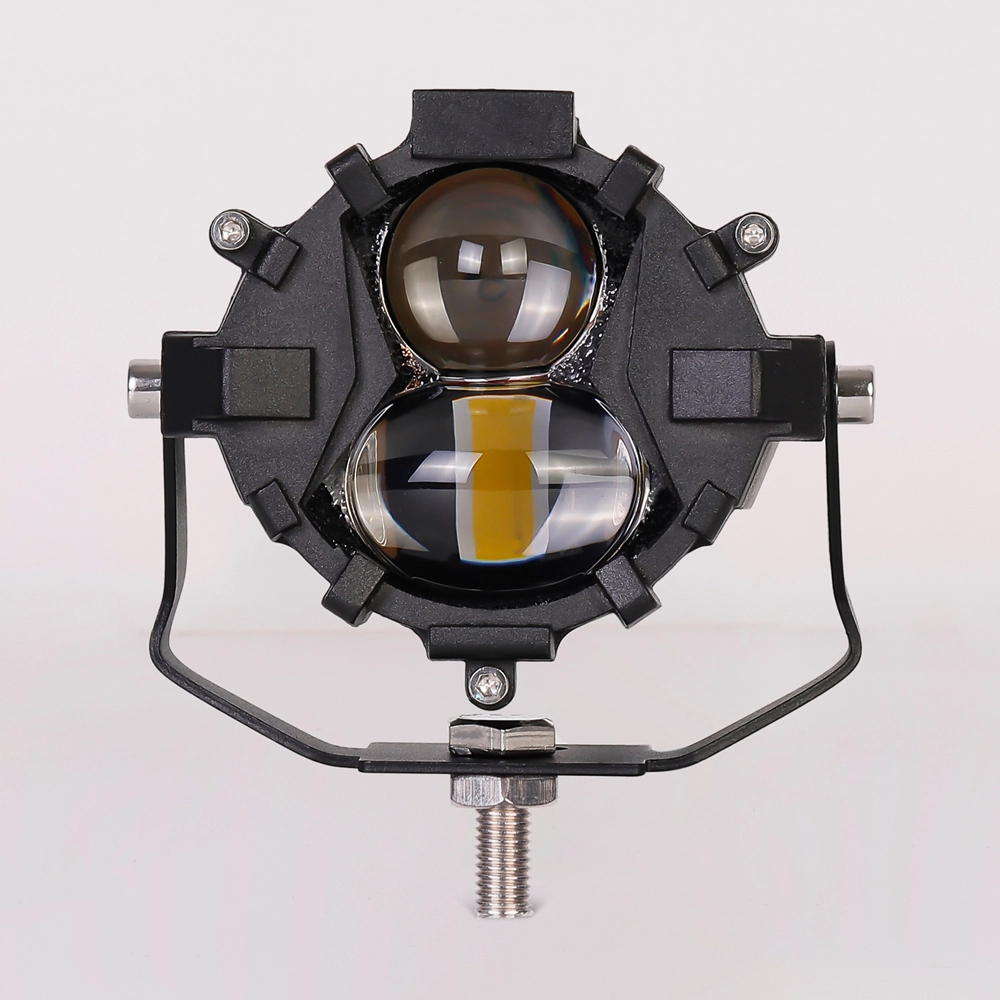
LED Driving Lights – Model D5
Elevate your off-road adventure with Bliauto’s LED Driving Lights—Model D5. Engineered for durability and superior brightness, our lights enhance visibility on rugged terrains. Trust Bliauto’s off-road LED driving lights to illuminate your path, ensuring safety and performance on every journey.
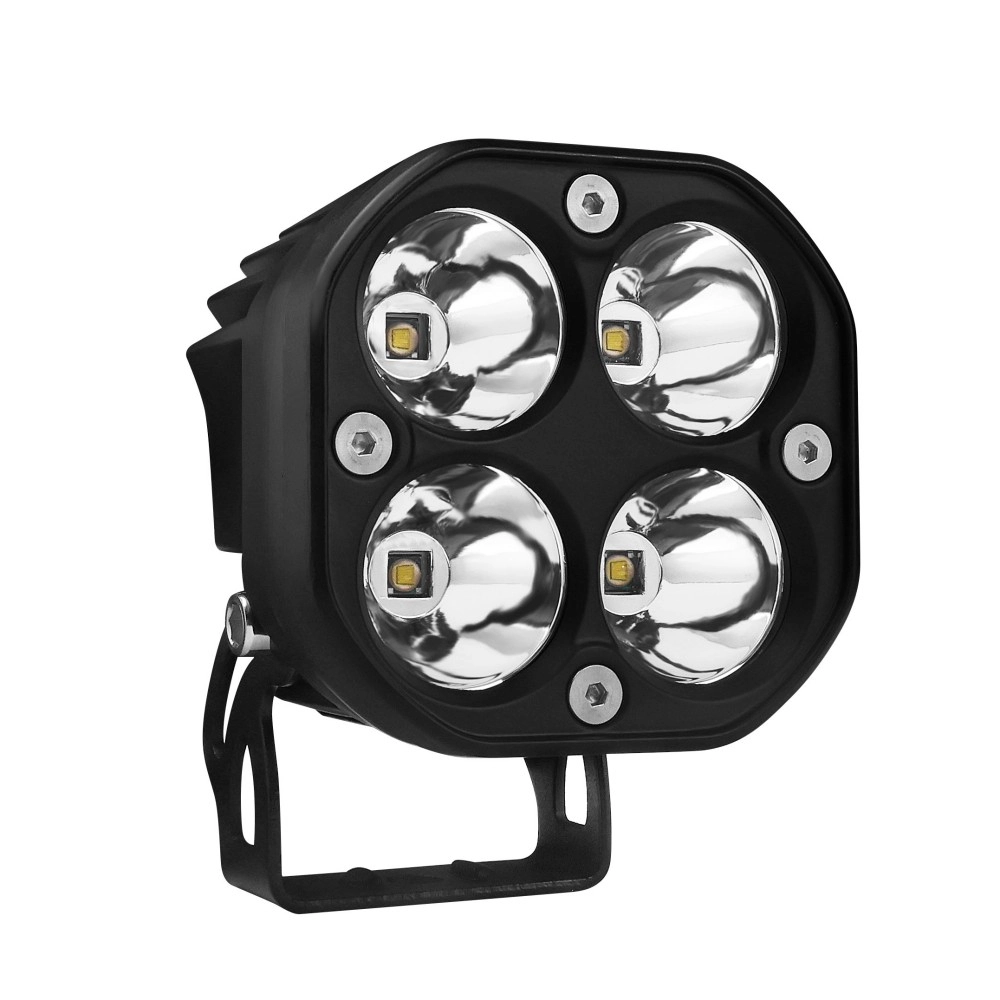
LED Driving Lights – Model V2
Experience unparalleled illumination with Bliauto's LED Driving Lights—Model V2. Designed for exceptional performance and durability, these lights enhance nighttime driving safety. Discover the superior quality and competitive LED Driving Lights price on our corporate website, and ensure every drive is brilliantly lit with Bliauto.
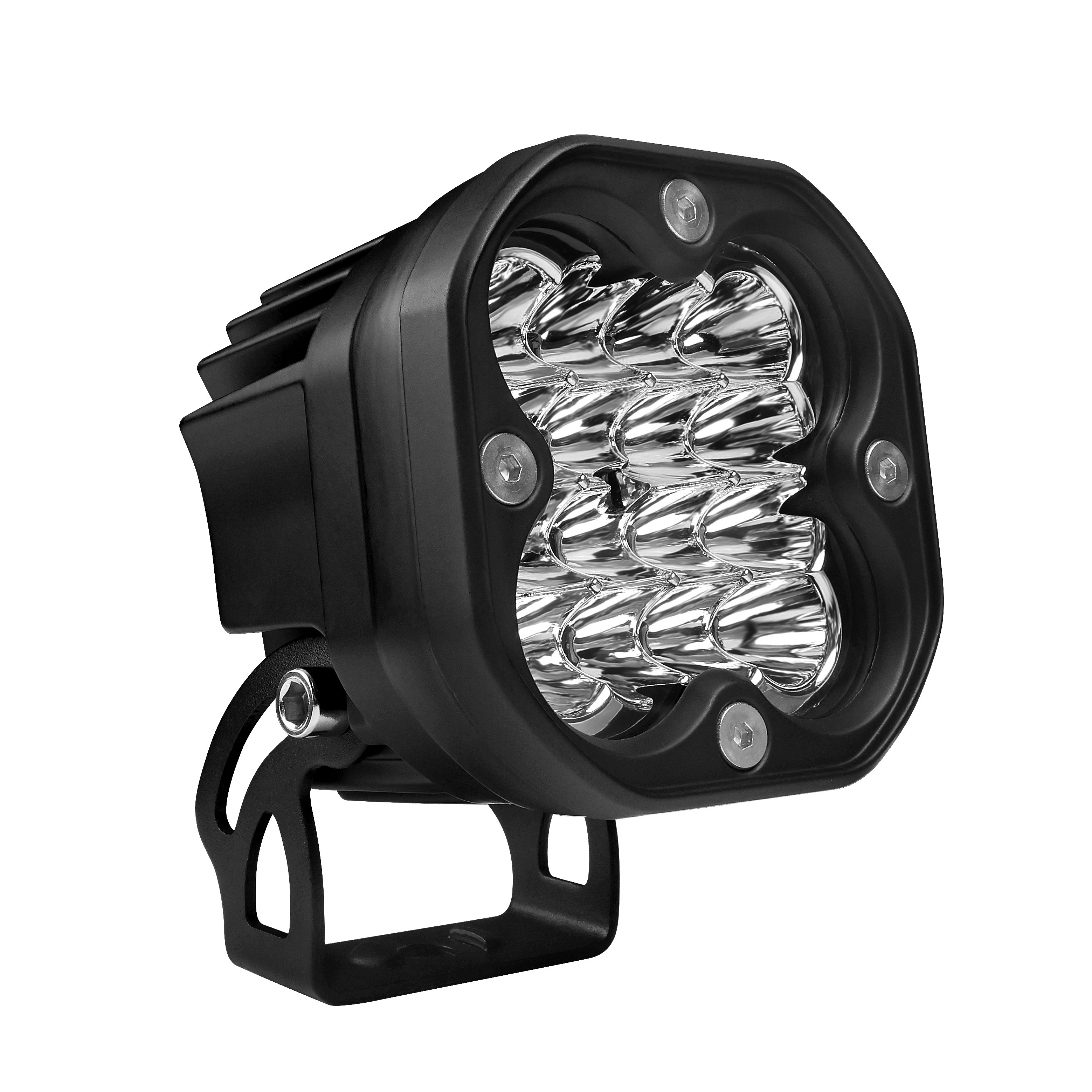
LED Driving Lights – Model V3
Discover unmatched visibility with Bliauto's LED Driving Lights—Model V3. Engineered for optimal performance, these lights illuminate the darkest roads, ensuring safe travels. Explore our reliable LED driving lights for sale and experience the difference in nighttime driving. Upgrade today with Bliauto for superior illumination.
LED Driving Lights – Model V4
Your Trusted Partner for Customized Automotive LED Lighting Solutions
 info@bliauto.com
 +86 188 1184 6160
© 2025 Bliauto All Rights Reserved.
Bliauto
Bliauto Light
Bliauto
Bliauto Light
Bliauto
Whatsapp: +8618811846160