







Light Output Testing and QA for Truck LED Headlights

- Why photometric testing matters for truck lighting
- Safety and visibility: measurable impact
- From lumen to useful light: why raw lumens aren't enough
- Key semantic terms to know
- Standards and regulatory frameworks
- DOT (USA) vs ECE (Europe) – regulatory differences
- Industry test standards: LM-79, LM-80, SAE
- Reference and verification sources
- Practical light output testing methods and equipment
- Goniophotometer vs integrating sphere: when to use each
- Spectroradiometer, lux meters, and thermal chambers
- Sample measurement workflow
- Quality assurance processes: reliability, lifetime, and production control
- Reliability testing: vibration, ingress, and corrosion
- Lumen maintenance and lifetime: LM-80 and TM-21 extrapolation
- Production QA and statistical process control
- Interpreting test data and troubleshooting failures
- Common failure modes and diagnostic steps
- Delivering traceable, verifiable reports
- Benchmarks and realistic performance targets
- Bliauto: OEM/ODM expertise and testing capabilities
- How Bliauto supports customers
- FAQ — Light Output Testing and QA for Truck LED Headlights
- 1. What is the most important metric for assessing a truck LED headlight?
- 2. Should I trust lumen claims from marketing materials?
- 3. How do LM-79 and LM-80 affect lifetime claims?
- 4. What tests are critical for trucks that operate in harsh environments?
- 5. Can the same headlight design meet DOT and ECE requirements?
- 6. How often should production QA sample photometric performance?
- Contact and product inquiry
Accurate light output testing and robust QA are essential for truck LED headlights to ensure visibility, safety, regulatory compliance, and long-term reliability. This article provides a step-by-step approach to photometric measurement, test standards, equipment, environmental and lifetime testing, plus practical QA checklists and data-backed comparison of regulatory frameworks. It is written for manufacturers, OEM purchasers, fleet managers, and aftermarket distributors seeking trustworthy procedures to validate truck led headlights' performance and durability.
Why photometric testing matters for truck lighting
Safety and visibility: measurable impact
Truck LED headlights directly influence driver reaction time and roadside safety by determining illuminance, beam pattern, and glare control. Proper photometric testing quantifies lumen output, candela (cd) intensity distribution, and vertical/horizontal cutoff lines to ensure that a headlight illuminates the roadway ahead without causing hazardous glare to other road users. Studies and standards from organizations such as the NHTSA and the UNECE emphasize measured photometrics as the basis for compliance and safety evaluation.
From lumen to useful light: why raw lumens aren't enough
Manufacturers and buyers often reference lumen output, but lumens measure total light emitted in all directions rather than usable roadway illumination. For truck LED headlights, useful metrics include beam pattern, luminous intensity (candela), and lux at specified distances. Photometric testing using goniophotometers or integrating spheres combined with standardized measurement protocols (e.g., IES LM-79/LM-80) provides verifiable, repeatable results tied to real-world performance.
Key semantic terms to know
Common terms used throughout QA and testing include: beam pattern, cutoff line, candela, lumen output, photometric distribution, goniophotometer, integrating sphere, LM-79, LM-80, thermal management, IP rating, and vibration testing. These semantic keywords help in search relevance for truck led headlights content and are essential when specifying tests or interpreting reports.
Standards and regulatory frameworks
DOT (USA) vs ECE (Europe) – regulatory differences
Regulatory regimes differ significantly and affect testing requirements:
| Regulation | Region | Main photometric requirement | Notes |
|---|---|---|---|
| DOT / FMVSS | United States | Based on SAE photometric procedures; focus on luminous intensity, beam aim, and glare limits | DOT-compliant lamps must meet FMVSS/SAE requirements for light distribution and safety (NHTSA lighting). |
| ECE R112 / R98 | Europe and many other markets | Photometric classes and prescribed luminous intensity limits with stricter beam cutoff geometry | ECE approvals focus on specified test points and reflectors/lenses; often required for aftermarket headlamps in ECE markets (UNECE). |
Understanding regional differences is critical when designing, testing, and certifying truck led headlights for international markets.
Industry test standards: LM-79, LM-80, SAE
Key standards include IES LM-79 for electrical and photometric measurements of LED luminaires and LM-80 for LED lumen maintenance testing. SAE publishes automotive lighting standards and test procedures used widely in North America. These standards help ensure that test results are repeatable and comparable across suppliers (IES standards, SAE International).
Reference and verification sources
Use authoritative references for test method validation: NHTSA technical pages for lighting policy (NHTSA), UNECE regulations (UNECE), and IES/ANSI documents. Peer-reviewed or institutional sources (e.g., university lighting labs) can supplement manufacturer data for independent verification.
Practical light output testing methods and equipment
Goniophotometer vs integrating sphere: when to use each
Goniophotometer: measures luminous intensity distribution across angles—essential for beam pattern measurement, cutoff verification, and candela mapping at specified test points. Integrating sphere: measures total luminous flux (lumens) and spectral power distribution—useful for verifying lumen output and color characteristics.
Spectroradiometer, lux meters, and thermal chambers
Spectroradiometers measure color temperature (CCT) and color rendering index (CRI) and are important when specifying white balance and human visual factors. Lux meters verify illuminance at specific distances. Thermal chambers and thermocouples are required to characterize lumen depreciation under expected operating temperatures; heat management directly affects lumen maintenance and LED lifetime.
Sample measurement workflow
- Preconditioning: run headlamp at rated current and operating temperature to reach steady state (per LM-79).
- Measure photometrics: use goniophotometer to record intensity distribution and generate candela maps; confirm beam cutoff and glare metrics.
- Measure total flux and spectral output with integrating sphere and spectroradiometer.
- Thermal characterization: record LED junction temperatures; perform accelerated thermal cycling.
- Document and compare readings against spec and regulatory limits; create pass/fail report.
Quality assurance processes: reliability, lifetime, and production control
Reliability testing: vibration, ingress, and corrosion
Truck environments demand robust mechanical and environmental resilience. Typical QA tests include:
- Vibration testing (per ISO 16750 or SAE J1455) to simulate road and engine vibrations.
- IP ingress testing (IP67/IP69K) to validate water and dust resistance.
- Salt spray/corrosion testing to assess connector and housing longevity in coastal or winter road conditions.
Lumen maintenance and lifetime: LM-80 and TM-21 extrapolation
LM-80 measures LED package lumen maintenance over time at multiple temperatures and drive currents. TM-21 is the recommended method to extrapolate LM-80 data to project useful life (e.g., L70 hours). Use LM-80-compliant labs for credible lifetime claims; independent verification is often required by OEMs and large fleet buyers.
Production QA and statistical process control
At scale, QA moves from single-sample verification to statistical process control (SPC). Establish key process indicators (KPIs): initial lumen output variation, color consistency (CCT tolerance), thermal resistance (Rth), IP pass rate, and early-life failure rate. A sample production control table example:
| QA Item | Acceptance Criteria | Test Frequency |
|---|---|---|
| Initial lumen output | ±10% of nominal | Every batch, 5 samples |
| Beam pattern / aim | Within regulatory cutoff & aim tolerance | Every unit or per-batch randomly |
| IP rating | IP67 / IP69K pass | Quarterly batch test |
| Vibration | No mechanical failure | Per design change or quarterly |
Interpreting test data and troubleshooting failures
Common failure modes and diagnostic steps
Frequent issues include thermal runaway (causing accelerated lumen depreciation), optical misalignment (poor beam pattern), water ingress (IP failure), and early LED degradation. Troubleshooting steps:
- Thermal: verify heat sink mounting, thermal interface materials, and Rth by repeating thermal cycles and measuring junction temperatures.
- Optical: inspect reflector/optic alignment; remeasure on goniophotometer to isolate misalignment vs. component variation.
- Sealing: perform dye ingress or pressure decay tests to find leak paths; redesign gasket or sealing process as needed.
Delivering traceable, verifiable reports
Clients increasingly demand test reports with traceability: instrument calibration certificates, test lab accreditation, test setup photos, raw data files, and pass/fail rationales linked to standards. Independent lab verification (ISO/IEC 17025) strengthens trust, especially for export markets.
Benchmarks and realistic performance targets
Setting realistic targets aligned with application: long-haul trucks require stable long-range low-beam and high-beam performance with controlled glare; off-road or auxiliary driving lights prioritize high candela peaks and broader beam spreads. Example typical ranges (illustrative):
| Application | Typical useful lumen range | Typical peak candela |
|---|---|---|
| Low-beam truck headlight | 1,000–3,000 lm (useful on road) | 5,000–30,000 cd at regulated points |
| High-beam truck headlight | 3,000–10,000 lm | 50,000–200,000 cd peak |
| Auxiliary driving light / spot | 2,000–12,000 lm | 100,000–1,000,000 cd (narrow beam) |
Data sources for regulatory and measurement context include IES and NHTSA materials (IES, NHTSA).
Bliauto: OEM/ODM expertise and testing capabilities
Bliauto is a leading LED automotive manufacturer specializing in providing ODM (Original Design Manufacturer) and OEM (Original Equipment Manufacturer) custom solutions for LED lighting products. At Bliauto, we take pride in offering excellent private label, ODM, and OEM automotive lighting products and services. We cater to wholesale distributors, retailers, and business customers with confidence in our LED automotive product range, which includes superior off-road LED lights, LED light bars, LED driving lights, LED work lights for agricultural machinery, LED marine lights, LED searchlights, LED emergency warning lights, and much more. If you are ready to start an automotive lighting business, Bliauto is your best choice. From private labeling to custom packaging, we’re willing to make any necessary tweaks to meet your specific needs. Our vision is to become the world's leading automotive lighting manufacturer. Visit Bliauto to learn more about our Headlights, Light Bars, Work Lights, Rock Lights, and Driving Lights offerings.
Bliauto's competitive strengths include in-house photometric testing labs, LM-79/LM-80 compliant procedures, and a production QA system that integrates environmental stress testing (vibration, IP, salt spray) and SPC for consistent batch quality. These capabilities allow Bliauto to supply truck led headlights that meet DOT and ECE requirements and to support private-label or custom-engineered solutions for fleets and distributors.
How Bliauto supports customers
- Custom optical and thermal design to meet target beam patterns and lumen maintenance.
- Full documentation and test reports with calibration traceability for regulatory certification.
- Flexible manufacturing scale from small private-label runs to large OEM volumes.
FAQ — Light Output Testing and QA for Truck LED Headlights
1. What is the most important metric for assessing a truck LED headlight?
There is no single metric; a combination of photometric measures—useful lumen output, candela distribution at regulatory test points, beam pattern/cutoff, and thermal junction temperature—provides a complete picture of performance.
2. Should I trust lumen claims from marketing materials?
Marketing lumen figures often represent raw LED package lumens measured in an integrating sphere. Validate claims with goniophotometer data and LM-79 reports to understand useful light on the road and beam distribution.
3. How do LM-79 and LM-80 affect lifetime claims?
LM-79 documents photometric and electrical measurements; LM-80 measures lumen maintenance of LED packages over time. Use TM-21 extrapolation on LM-80 data to project expected life (e.g., L70). Independent LM-80 data increases credibility for lifetime warranties.
4. What tests are critical for trucks that operate in harsh environments?
Vibration testing, IP ingress testing (IP67/IP69K), salt spray corrosion tests, thermal cycling, and connector robustness tests are critical. These simulate road, weather, and mechanical stresses experienced by trucks.
5. Can the same headlight design meet DOT and ECE requirements?
Not always. DOT and ECE use different photometric points and aim/cutoff rules. Some designs can be adapted to pass both regimes, but you must specify target markets early and perform the corresponding test suites.
6. How often should production QA sample photometric performance?
Best practice: perform photometric checks on every unit for critical safety applications or sample-based checks per batch (e.g., 5 units per batch) combined with statistical process control. Frequency depends on application risk and customer requirements.
Contact and product inquiry
If you need technical support, photometric testing, or want to source truck led headlights through OEM/ODM solutions, contact Bliauto for full-service support including private labeling, custom packaging, and tailored testing. Learn more at https://www.bliauto.com/ or request a quote through their website to start your automotive lighting project.
References & further reading:
Motorcycle LED Pods: Complete Buying Guide
Discover the Top 10 LED Rock Lights for Trucks | Bliauto
How to Choose the Best Motorcycle Headlight: Practical Guide for Riders and Buyers
Waterproof Ratings: IP65 vs IP67 for Jeep Off Road Lights
FAQ
Can you customize LED lights for specific vehicle models?
Yes, we offer fully customized LED lighting solutions to fit a wide range of vehicles, including cars, motorcycles, trucks, and other transport vehicles.
What products does Guangzhou Jiabao Electronic Technology Co., Ltd. specialize in?
We specialize in providing ODM/OEM customized solutions for LED lighting systems for transportation vehicles, including cars, motorcycles, and trucks.
How can I request after-sales support?
To request after-sales support, please contact our customer service team via email or phone. Provide your order number, a description of the issue, and any relevant photos, and we will assist you promptly.
What services do you offer?
We offer custom design, manufacturing, and engineering services for LED lighting solutions, tailored to meet the specific requirements of our clients.
Dealers
What are the eligibility requirements to become a distributor?
We welcome applications from businesses of all sizes. We will evaluate based on the market demand, sales capabilities, and business background in your region.
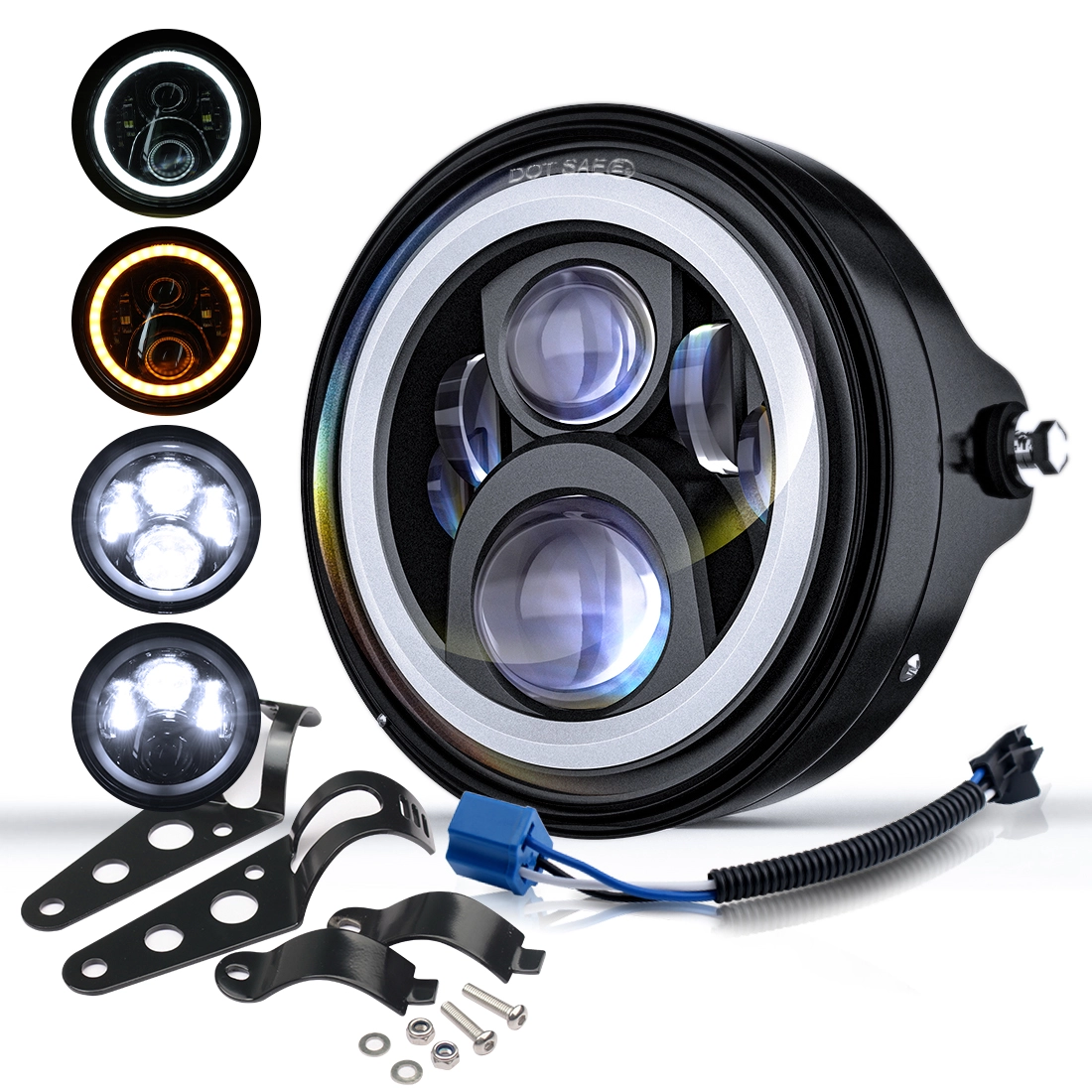
Motorcycle Led Headlight - Model C1H-WA
Bliauto Motorcycle Headlight - Model C1H-WA: High-quality LED design from leading brand manufacturers of motorcycle headlights. Precision Manufacturing Motorcycle Headlight ensures high visibility, durability, and easy fit for all riders.

Jump Starter - Model JS1
Bliauto JS1 Jump Starter – Reliable Power On-the-Go As a brand manufacturer & wholesale jump starter supplier, Bliauto delivers high-quality portable power solutions. The JS1 Jump Starter provides instant engine starts, USB charging, and durable performance—ideal for emergencies. Trusted by professionals, it’s compact, safe, and backed by expert engineering. Wholesale options are available—power up with Bliauto! Optimized for SEO with target keywords while maintaining clarity and brand authority. Let me know if you'd like refinements!
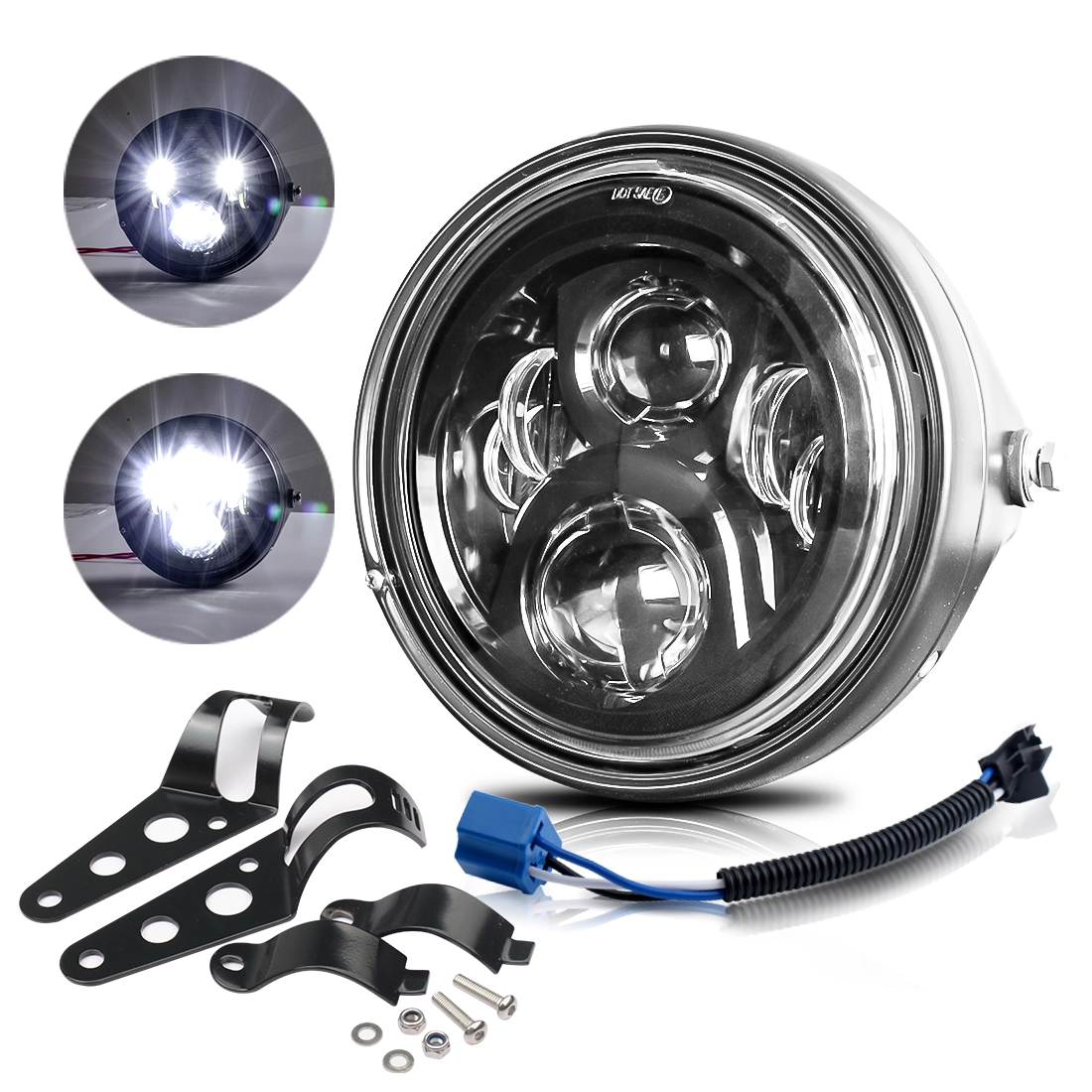
Motorcycle Led Headlight - Model C1H-HL
Bliauto Motorcycle Headlight - Model C1H-HL: High-quality brand motorcycle headlight with durable LEDs, easy installation, and high-beam performance. Trusted brand manufacturers motorcycle headlights for safety. Choose Manufacturing Motorcycle Headlight quality.
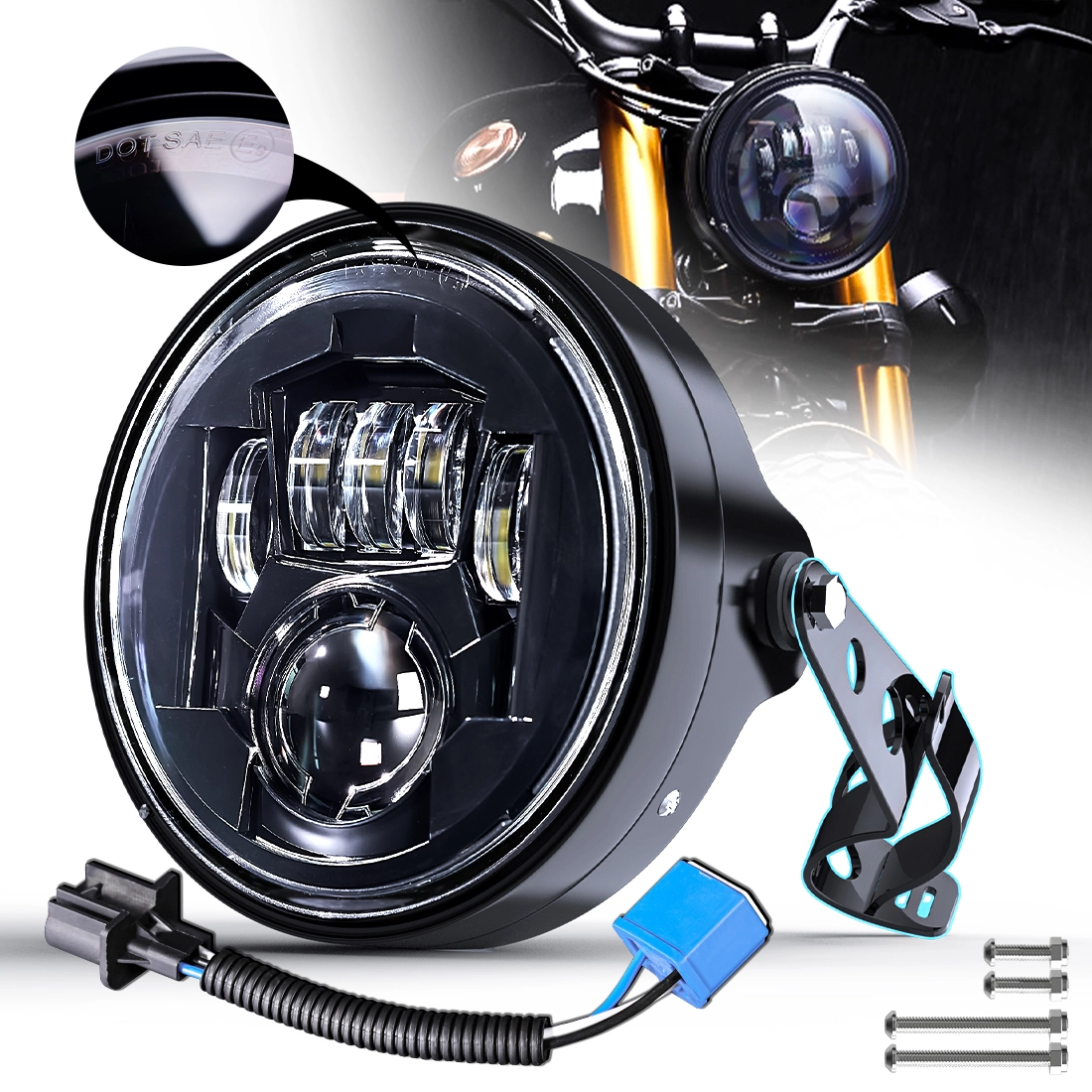
Motorcycle Led Headlight - Model C2H-HL
Bliauto Motorcycle Headlight - Model C2H-HL: high-brightness, energy-efficient LED beam for superior visibility and durability. Perfect for brand manufacturers of motorcycle LED headlights, manufacturing motorcycle LED headlights, and brand motorcycle LED headlight supply.
Your Trusted Partner for Customized Automotive LED Lighting Solutions
 info@bliauto.com
 +86 188 1184 6160
© 2025 Bliauto All Rights Reserved.
Bliauto
Bliauto Light
Bliauto
Bliauto Light
Bliauto
Whatsapp: +8618811846160