







Marine-Grade LED Pod Lights: Saltwater Resistance Guide

- Why saltwater is a unique challenge for marine lighting
- Electrochemical corrosion and chloride attack
- Electrical failure vectors unique to marine environments
- Thermal and UV stresses on polymers and coatings
- Materials and coatings: what actually resists saltwater best
- Metals: 316 stainless vs 304, aluminum, and alternatives
- Coatings and surface treatments
- Plastics, lenses, and potting compounds
- Ingress protection, testing standards and validation
- IP ratings that matter (IP67, IP68, IP69K)
- Salt spray, cyclic corrosion, and real-world testing
- Electrical and thermal validation
- Selecting, installing, and maintaining saltwater-resistant LED pod lights
- Choosing the right product for the mounting zone
- Connector and wiring best practices
- Installation torque, sacrificial anodes, and grounding
- Material & product comparison (quick reference)
- Bliauto: OEM/ODM solutions for marine LED lighting
- Who Bliauto is and why it matters
- Bliauto's marine-grade capabilities
- Why choose an experienced ODM/OEM partner
- Maintenance, troubleshooting and lifecycle extension
- Routine inspection checklist
- Common failure modes and fixes
- End-of-life recycling and replacement planning
- Regulatory & specification references
- Frequently asked questions (FAQ)
- 1. What IP rating should I choose for LED pod lights on a boat?
- 2. Are aluminum housings OK for saltwater use?
- 3. How important is 316 stainless steel for fasteners?
- 4. Can I rely on salt spray (ASTM B117) results alone?
- 5. What maintenance will extend the life of marine LED pod lights?
- 6. How do I choose between potted cables and sealed connectors?
This guide covers the key technical and practical considerations for selecting and using LED pod lights in saltwater environments. It focuses on corrosion mechanisms, material and coating choices, ingress protection (IP) ratings and testing standards, installation best practices, and maintenance strategies that extend service life. It also explains how manufacturers and OEM/ODM suppliers design and validate marine-grade LED pod lights to meet real-world marine and coastal conditions, helping you make evidence-based decisions for purchase, specification, or installation.
Why saltwater is a unique challenge for marine lighting
Electrochemical corrosion and chloride attack
Saltwater accelerates corrosion because dissolved chlorides promote electrochemical reactions on metal surfaces. Metals that appear corrosion-resistant in fresh water (or in air) can pit, crevice-corrode, or suffer galvanic corrosion when exposed to seawater and dissimilar metals. Authoritative industry resources such as the AMPP (formerly NACE) discuss how marine environments increase corrosion risk through humidity, splash zones, and salt deposition.
Electrical failure vectors unique to marine environments
Salt deposits combined with vibration and UV exposure cause seals, cable jackets, and connectors to degrade. Water ingress into an LED pod light will rapidly reduce driver life and cause shorts—so both enclosure sealing and corrosion-resistant hardware are critical. Guidance from marine standards organizations like the American Boat & Yacht Council (ABYC) emphasizes the importance of correct marine-grade wiring and over-current protection.
Thermal and UV stresses on polymers and coatings
Salt spray, sunlight (UV), and heat cycles embrittle plastics and degrade paints/coatings. Compound degradation can expose underlying metal to chlorides, starting corrosion. Choosing UV-stable polymers and robust coating systems reduces long-term maintenance.
Materials and coatings: what actually resists saltwater best
Metals: 316 stainless vs 304, aluminum, and alternatives
316 stainless steel (marine grade, contains molybdenum) offers significantly better resistance to pitting in chloride-rich environments than 304 stainless. Aluminum can be lightweight and strong, but raw aluminum corrodes quickly in saltwater unless treated. Titanium and some high-nickel alloys are very corrosion-resistant but expensive. Practical choice for most marine LED pod lights: 316 stainless fasteners or anodized/aluminum housings with robust coatings.
For background on stainless grades and properties, see the general reference on stainless steel: Wikipedia: Stainless steel.
Coatings and surface treatments
Common protective strategies include:
- Anodizing and hard-coat anodize for aluminum to improve barrier protection.
- Powder coatings with marine-grade corrosion inhibitors and UV stabilizers.
- E-coating (electrodeposition) followed by topcoat paint for hidden crevices.
- Use of sacrificial zinc or aluminum anodes where appropriate, away from electronics.
Salt-spray (fog) testing such as ASTM B117 is widely used to assess coating durability under accelerated chloride exposure; a concise overview is available here: Wikipedia: Salt spray test (ASTM B117).
Plastics, lenses, and potting compounds
Lenses and housings often use polycarbonate or PMMA. UV-stabilized polycarbonate or glass lenses resist yellowing and crazing; silicones and polyurethane potting compounds and gaskets (with proven marine-grade formulations) help maintain seals. Choose materials rated for marine UV and ozone exposure.
Ingress protection, testing standards and validation
IP ratings that matter (IP67, IP68, IP69K)
Ingress Protection (IP) codes tell you how well an enclosure resists solids and liquids. For saltwater exposure you should target at least IP67 (immersion to 1 m for 30 minutes) or IP68 (continuous immersion under specified conditions) depending on mounting location. IP69K indicates high-pressure, high-temperature washdown resistance, useful for boats requiring frequent deck washdowns. See the IP Code overview: Wikipedia: IP Code.
Salt spray, cyclic corrosion, and real-world testing
Lab tests like ASTM B117 (salt spray) provide accelerated comparative data, but they do not always correlate directly with long-term service life in the field. Best practice is to combine B117 salt fog testing with cyclic corrosion testing (which cycles humidity, salt, and drying phases) and UV exposure tests to simulate combined stresses found in marine environments.
Electrical and thermal validation
LED pod lights need driver thermal testing (junction temperature, driver life at elevated temperatures) and vibration/shock testing for marine installations. Look for manufacturers that publish test reports or third-party certifications showing IP, salt spray hours, and thermal cycle results.
Selecting, installing, and maintaining saltwater-resistant LED pod lights
Choosing the right product for the mounting zone
Placement matters: splash zone, deck mount, and submerged locations each require different design levels. For topside or deck-mounted pod lights choose sealed drivers, 316 stainless mounting hardware, and IP67+/IP68 housings. For submerged or transom applications use purpose-built marine fixtures that explicitly state continuous immersion rating and anti-fouling material choices.
Connector and wiring best practices
Use marine-grade tinned copper wire, heat-shrink over soldered joints, and IP68-rated connectors (or fully potted connections). Avoid mixing dissimilar metals without insulating barriers to reduce galvanic action—this prevents accelerated corrosion at the connection points.
Installation torque, sacrificial anodes, and grounding
Follow manufacturer torque specs to avoid crushing seals. Install sacrificial anodes in areas where stray currents may exist, and ensure proper bonding/grounding following ABYC or equivalent marine electrical standards to mitigate electrochemical degradation. For guidance on marine electrical safety see ABYC.
Material & product comparison (quick reference)
| Component | Common Options | Saltwater Suitability | Notes |
|---|---|---|---|
| Housing | Anodized aluminum, die-cast aluminum (powder coated), 316 stainless | Good to Excellent (316 is best) | Anodize + powder coat improves aluminum; 316 best where direct splash/sea contact occurs |
| Fasteners | 304 SS, 316 SS, coated steel | 316 recommended | 304 may corrode in pitting environments; use 316 for marine grade |
| Lenses | Polycarbonate (UV-stabilized), glass | Good (glass best for scratch resistance) | Polycarbonate lighter and impact resistant; select UV-grade |
| Gaskets & potting | EPDM, silicone, polyurethane potting | Good with marine formulations | Silicone often offers best long-term flexibility and salt tolerance |
| Connectors | Standard sealed connectors, potted cables | IP67/IP68 connectors recommended | Potted cable entries eliminate connector failure points |
Bliauto: OEM/ODM solutions for marine LED lighting
Who Bliauto is and why it matters
Bliauto is a leading LED automotive manufacturer specializing in providing ODM (Original Design Manufacturer) and OEM (Original Equipment Manufacturer) custom solutions for LED lighting products. At Bliauto, we take pride in offering excellent private label, ODM, and OEM automotive lighting products and services. We cater to wholesale distributors, retailers, and business customers with confidence in our LED automotive product range, which includes superior off-road LED lights, LED light bars, LED driving lights, LED work lights for agricultural machinery, LED marine lights, LED searchlights, LED emergency warning lights, and much more.
Bliauto's marine-grade capabilities
Bliauto combines materials engineering, salt spray and cyclic corrosion testing, and thermal/driver validation to produce marine-grade LED pod lights and other fixtures. Our manufacturing processes support custom housing finishes (hard anodize, powder coat), 316 stainless mounting hardware, IP67/IP68-rated sealing methods, and fully potted options for submerged applications. From private labeling to custom packaging, we’re willing to make any necessary tweaks to meet your specific needs. Our vision is to become the world's leading automotive lighting manufacturer. Visit Bliauto: https://www.bliauto.com/.
Why choose an experienced ODM/OEM partner
Working with an experienced OEM/ODM like Bliauto reduces time-to-market and avoids common marine design pitfalls: wrong material choices, inadequate sealing, or insufficient thermal management. Bliauto supports small-batch prototypes, private label runs, and scale manufacturing with the testing documentation purchasers require for commercial marine and offshore projects.
Maintenance, troubleshooting and lifecycle extension
Routine inspection checklist
Inspect LED pod lights every 3–6 months in marine use: check for seal integrity, corrosion on fasteners, lens clouding, and secure mounting hardware. Wipe salt residues with fresh water and a mild marine-cleaner; avoid aggressive solvents that damage gaskets.
Common failure modes and fixes
Typical issues include lens leakage, driver failure, and galvanic corrosion at fasteners. Repair actions: reseal or replace gaskets, replace corroded 304 fasteners with 316 stainless, and replace potted cable assemblies when water intrusion is suspected. Always de-energize circuits before maintenance.
End-of-life recycling and replacement planning
Plan for driver/LED obsolescence: pick products with replaceable driver modules or standard electrical interfaces. When disposing of old fixtures, follow local e-waste regulations—LED products contain metals and should be recycled responsibly.
Regulatory & specification references
Use the following references when specifying marine LED pod lights: AMPP (NACE) resources for corrosion best practices (ampp.org), ABYC guidelines for marine electrical systems (abycinc.org), and IP code definitions (IP Code). For coating and accelerated testing standards, consult the salt spray test reference: ASTM B117 overview.
Frequently asked questions (FAQ)
1. What IP rating should I choose for LED pod lights on a boat?
For exterior topside and splash-zone mounting, target IP67 or IP68. If the fixture will be subject to high-pressure washdowns, consider IP69K. Submerged or transom-mounted lights must be explicitly rated for continuous immersion and built with potted cable entries.
2. Are aluminum housings OK for saltwater use?
Yes—if they are hard-anodized or powder-coated with marine-grade systems and use 316 stainless hardware. Unprotected aluminum will corrode in saltwater. Anodizing plus a topcoat gives a durable barrier.
3. How important is 316 stainless steel for fasteners?
Very important. 316 stainless is significantly more resistant to chloride-induced pitting than 304. Use 316 for all external fasteners and mounting brackets in marine applications.
4. Can I rely on salt spray (ASTM B117) results alone?
No. Salt spray is useful for comparative testing but does not replicate cyclic marine conditions, UV exposure, or real-world thermal cycles. Combine salt spray with cyclic corrosion and UV testing for a fuller picture.
5. What maintenance will extend the life of marine LED pod lights?
Rinse with fresh water after salt exposure, inspect seals and fasteners every 3–6 months, remove and replace corroded hardware, and address lens clouding early. Use proper electrical protection and avoid mixing dissimilar metals.
6. How do I choose between potted cables and sealed connectors?
Potted cables eliminate connector failure points and are preferable for submerged or highly corrosive locations. Sealed connectors (IP68-rated) are suitable for easier serviceability topside but require careful maintenance and high-quality connector selection.
Ready to spec or purchase marine-grade LED pod lights? Contact Bliauto for custom OEM/ODM solutions, private labeling, or to request test documentation and samples. Visit https://www.bliauto.com/ or email your inquiry through our site to start your project.
Wholesale led light bar manufacturer and supplier
Converting From Halogen to LED: What You Need to Know
Best LED light bars for trucks and SUVs
Where to Buy led outdoor bar lights in China
Dealers
How do I apply to become your distributor?
You can apply by filling in the distributor application form on our website. After submitting your application, our team will contact you to discuss further details.
Do you provide customized headlights?
Yes, as an OEM/ODM manufacturer, we can provide customized headlight designs based on customer needs to help you stand out in the market.
FAQ
What products does Guangzhou Jiabao Electronic Technology Co., Ltd. specialize in?
We specialize in providing ODM/OEM customized solutions for LED lighting systems for transportation vehicles, including cars, motorcycles, and trucks.
What is the difference between ODM and OEM services?
OEM (Original Equipment Manufacturer) services involve producing products based on the customer’s existing design, while ODM (Original Design Manufacturer) services include creating new designs according to customer specifications.
What is the warranty period for your products?
We offer a warranty period of 12 months from the date of purchase for our LED lights and other products. During this period, we will repair or replace any defective items free of charge.
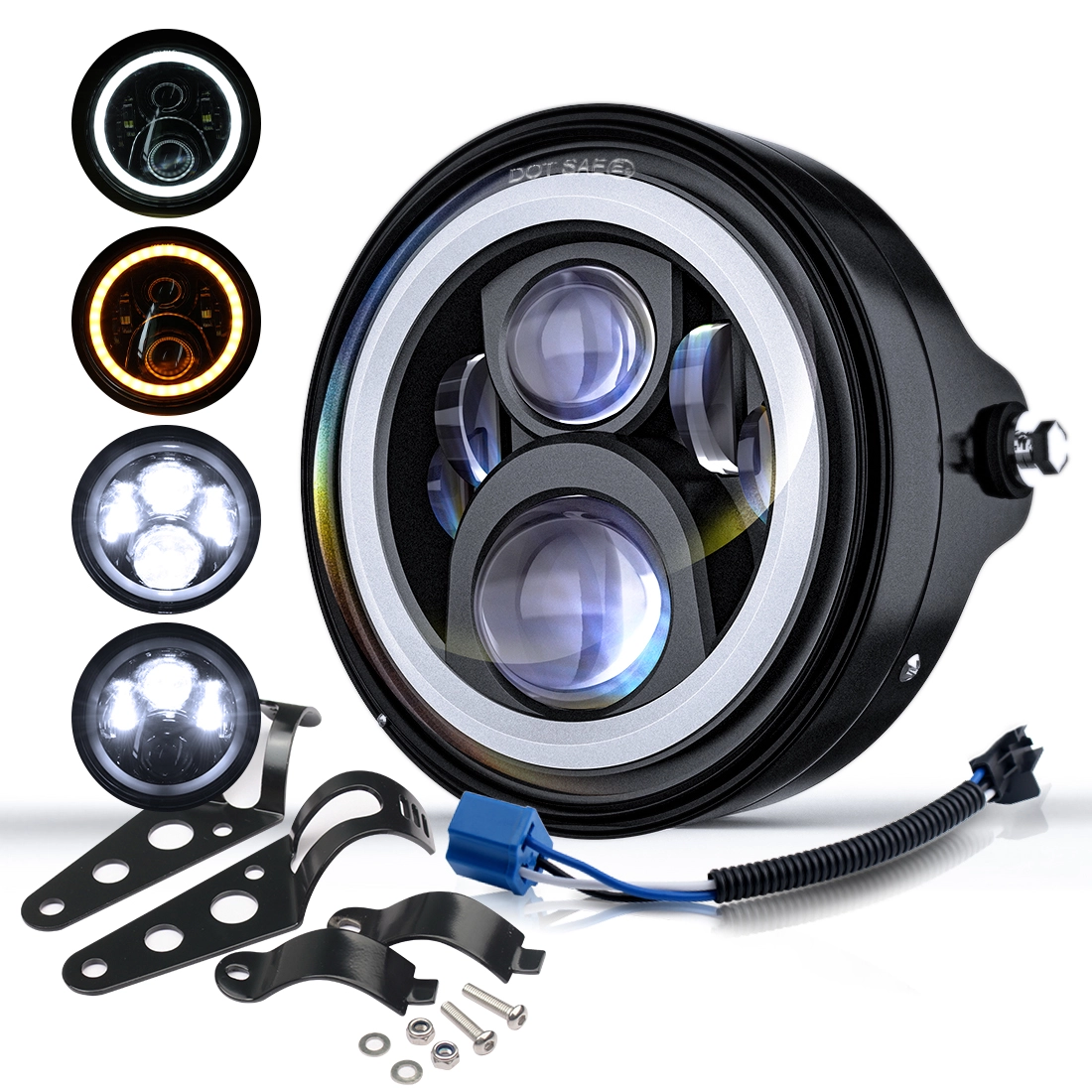
Motorcycle Led Headlight - Model C1H-WA
Bliauto Motorcycle Headlight - Model C1H-WA: High-quality LED design from leading brand manufacturers of motorcycle headlights. Precision Manufacturing Motorcycle Headlight ensures high visibility, durability, and easy fit for all riders.

Jump Starter - Model JS1
Bliauto JS1 Jump Starter – Reliable Power On-the-Go As a brand manufacturer & wholesale jump starter supplier, Bliauto delivers high-quality portable power solutions. The JS1 Jump Starter provides instant engine starts, USB charging, and durable performance—ideal for emergencies. Trusted by professionals, it’s compact, safe, and backed by expert engineering. Wholesale options are available—power up with Bliauto! Optimized for SEO with target keywords while maintaining clarity and brand authority. Let me know if you'd like refinements!
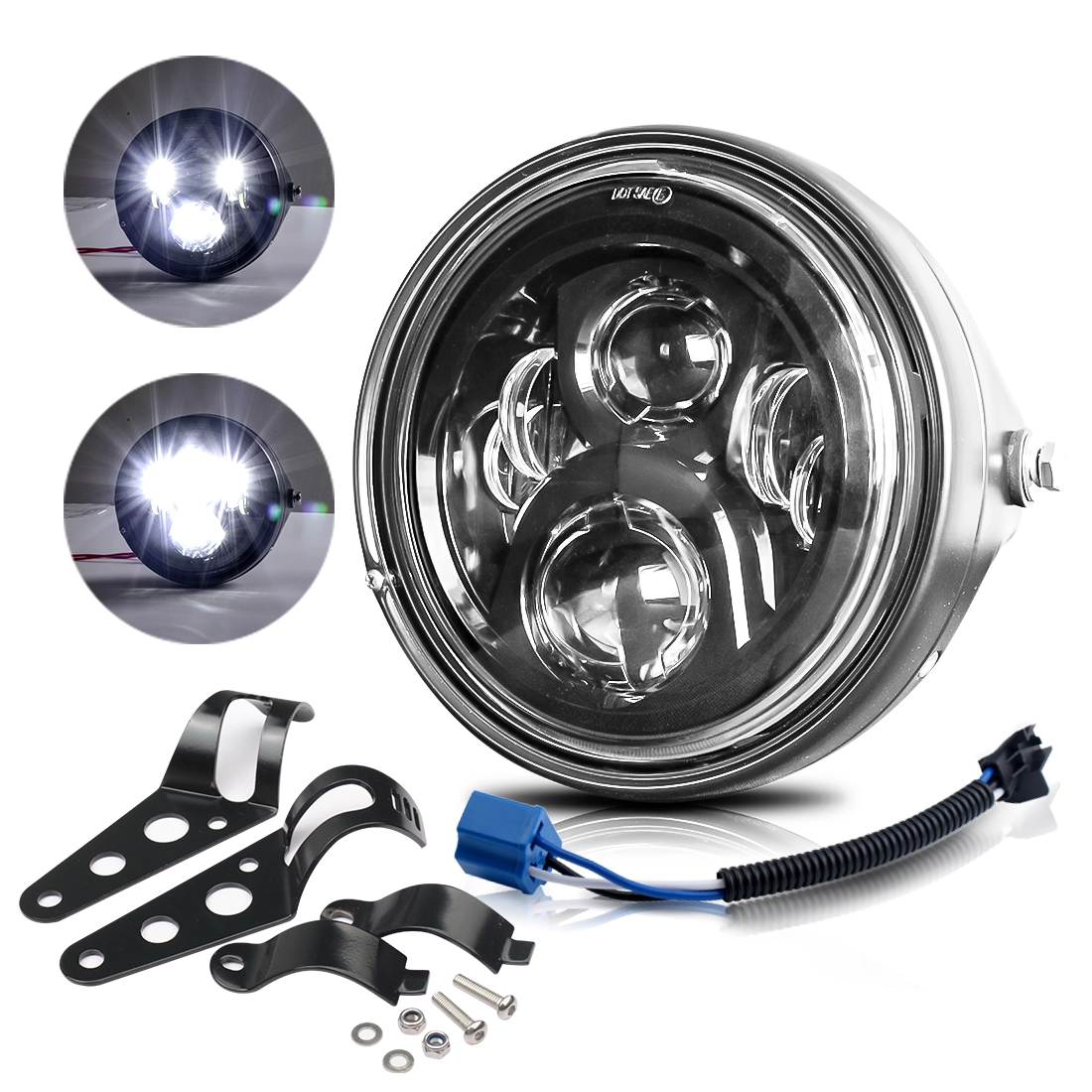
Motorcycle Led Headlight - Model C1H-HL
Bliauto Motorcycle Headlight - Model C1H-HL: High-quality brand motorcycle headlight with durable LEDs, easy installation, and high-beam performance. Trusted brand manufacturers motorcycle headlights for safety. Choose Manufacturing Motorcycle Headlight quality.
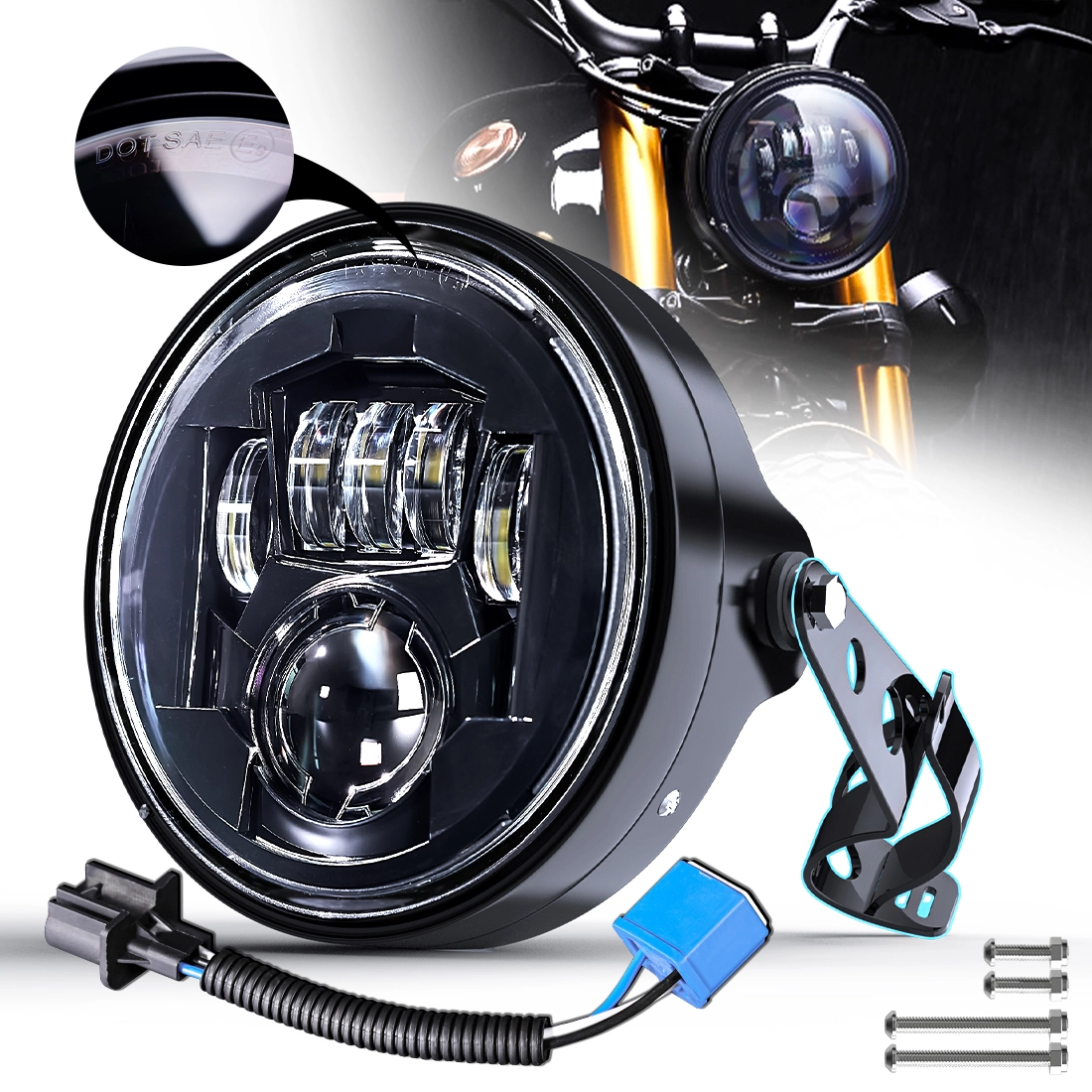
Motorcycle Led Headlight - Model C2H-HL
Bliauto Motorcycle Headlight - Model C2H-HL: high-brightness, energy-efficient LED beam for superior visibility and durability. Perfect for brand manufacturers of motorcycle LED headlights, manufacturing motorcycle LED headlights, and brand motorcycle LED headlight supply.
Your Trusted Partner for Customized Automotive LED Lighting Solutions
 info@bliauto.com
 +86 188 1184 6160
© 2025 Bliauto All Rights Reserved.
Bliauto
Bliauto Light
Bliauto
Bliauto Light
Bliauto
Whatsapp: +8618811846160