







Top Specifications to Require in a Motorcycle LED Headlight

- Why choosing the right motorcycle LED headlight matters
- Safety and visibility — the primary objective
- Legal compliance and mounting compatibility
- Core photometric specifications to require
- Lumens vs. lux: what to ask for
- Beam pattern and cutoff — control is safety
- Color temperature and color rendering
- Electrical, thermal and durability specifications
- Power consumption, driver electronics and compatibility
- Thermal management and rated lifespan
- Ingress, vibration and environmental ratings
- Practical fitment, compliance and after-sales considerations
- Fitment, adjustability and optics housing
- Certifications, warranty and serviceability
- Spec comparison table: practical targets for motorcycle LED headlights
- Buying checklist — questions to ask any supplier
- Photometric evidence
- Thermal and electrical documentation
- Compliance and service
- Why choose Bliauto for motorcycle LED headlight needs
- Frequently Asked Questions (FAQ)
- 1. What lumen output should I choose for my motorcycle led headlight?
- 2. Is color temperature important for night riding?
- 3. Are all motorcycle LED headlights legal for on-road use?
- 4. How important is thermal management?
- 5. What IP rating do I need for a motorcycle headlight?
- 6. Do I need a CAN-bus decoder for LED headlights?
- 7. What should I check about beam pattern before buying?
- Contact and next steps
- References and authoritative sources
Why choosing the right motorcycle LED headlight matters
Safety and visibility — the primary objective
A motorcycle LED headlight's core function is to make you visible to others and to illuminate the road sufficiently to identify hazards at riding speeds and in varied conditions. Inadequate photometric performance or a poorly controlled beam can drastically reduce detection distance and increase crash risk. Therefore, when evaluating any motorcycle led headlight, start with measurable light output and beam control rather than marketing terms like “super bright.”
Legal compliance and mounting compatibility
Headlights must comply with national and regional regulations (DOT/FMVSS in the U.S., ECE regulations in Europe, etc.) and be compatible with your motorcycle’s housing, voltage and electrical systems. Non-compliant or poorly fitted units increase the risk of glare, ticketing, or unreliable operation. Confirm mounting type, connector compatibility, and whether the lamp is approved for road use in your jurisdiction.
Core photometric specifications to require
Lumens vs. lux: what to ask for
Lumens measure total light output; lux measures illuminance at a given surface or distance and directly correlates to how far and how clearly objects are seen. For motorcycle applications, request both the rated lumen output and measured lux values at standard distances (e.g., lux at 25 m and 50 m) so you can compare effective roadway illumination between models. A high lumen number alone can be misleading if optics do not focus the light where it’s needed.
Beam pattern and cutoff — control is safety
Beam pattern determines glare to oncoming traffic and usable illumination down the road. Look for defined cutoff lines for low beam and a controlled, symmetric high-beam spread. When possible, request photometric plots (candela distribution diagrams) or beam maps from the manufacturer. For retrofit or replacement units, ensure the beam pattern fits the motorcycle’s reflector/housing style to avoid scatter and glare.
Color temperature and color rendering
Color temperature (measured in Kelvin) affects contrast, glare, and rider comfort. For motorcycle headlights, a neutral white in the 4000–5000 K range often balances contrast and reduced glare; very cool whites (6000 K+) may appear brighter in marketing photos but can reduce contrast in rain/fog and increase perceived glare. Also consider Color Rendering Index (CRI) — higher CRI improves color contrast and object recognition at night (useful when distinguishing road signs or hazards).
Electrical, thermal and durability specifications
Power consumption, driver electronics and compatibility
Check the nominal power draw (in watts) and operating voltage range. A well-designed LED headlight will include a constant-current driver with protections for voltage spikes, reverse polarity, and thermal derating. For modern motorcycles with CAN-bus systems or pulse-width-modulated (PWM) lighting circuits, confirm compatibility or availability of CAN-compatible drivers/decoders to prevent flicker or error codes.
Thermal management and rated lifespan
LEDs are temperature-sensitive: poor heat dissipation accelerates lumen depreciation and shortens lifespan. Require details about thermal design (heat sinks, active vs passive cooling, thermal interface materials) and rated lifespan stated as L70 (time to 70% initial output) or similar. Good motorcycle LED headlights commonly specify L70 lifetimes of 30,000–50,000 hours depending on duty cycle and cooling design.
Ingress, vibration and environmental ratings
Riding exposes headlights to water, dust, and vibration. Specify an IP rating (Ingress Protection) of at least IP67 for robust water/dust resistance; IP68 is better for heavy waterproofing. For vibration and mechanical resilience, ask for compliance with automotive vibration standards (e.g., ISO 16750 or equivalent test reports). Corrosion-resistant housings and quality seals are also critical for longevity.
Practical fitment, compliance and after-sales considerations
Fitment, adjustability and optics housing
Determine mounting type (H4, H7, proprietary connector, or integrated housing) and whether the unit fits stock bezels or requires modification. Look for adjustable aim mechanisms and clear installation instructions. Proper aiming reduces glare and ensures that lux at the target distance meets expectations.
Certifications, warranty and serviceability
Prefer products with DOT or ECE approval for on-road use in the target market. A minimum 2-year warranty is common for reputable manufacturers; 3–5 years indicates stronger confidence in durability. Also ask about spare parts availability, repairability, and whether the LED module or driver can be serviced separately.
Spec comparison table: practical targets for motorcycle LED headlights
| Specification | Minimum (practical) | Recommended / Ideal | Notes / Rationale |
|---|---|---|---|
| Rated output (lumens per unit) | 1,000 lm | 2,500–4,000 lm | Higher lumens helpful but must be paired with focused optics; typical OEM LED replacements 2,000–3,500 lm. |
| Measured illuminance (lux) | ≥10 lux @ 25 m (low beam) | ≥20–30 lux @ 25 m (low beam), higher for high beam | Lux values give real-world visibility; request manufacturer photometric data. |
| Color temperature (K) | 3000–6000 K | 4000–5000 K | Neutral white (4k–5k) balances contrast and reduced glare in wet conditions. |
| CRI (Color Rendering Index) | ≥60 | ≥70–80 | Higher CRI improves color contrast at night; useful for hazard recognition. |
| IP rating | IP65 | IP67 or IP68 | IP67 or IP68 recommended for full waterproofing under heavy road exposure. |
| Vibration rating | Manufacturer test reports | Compliant with automotive vibration standards (ISO 16750 or equivalent) | Motorcycles have higher vibration; ensure validated mechanical resilience. |
| L70 lifetime | 20,000 hours | 30,000–50,000+ hours | Rated L70 shows long-term value; verify test conditions. |
| Warranty | 1 year | 2–5 years | Longer warranty signals manufacturer confidence and support. |
Buying checklist — questions to ask any supplier
Photometric evidence
Can the supplier provide photometric reports (lux at defined distances, candela distribution diagrams) and sample beam shots with a scale? If not, treat lumen claims skeptically.
Thermal and electrical documentation
Ask for thermal management details, driver specifications, operating voltage range, surge protection and whether the unit has over-temperature cutout or thermal throttling behavior explained in technical data sheets.
Compliance and service
Request copies of DOT, ECE, or other regulatory approvals, vibration and ingress test reports, warranty terms, and availability of replacement parts and technical support.
Why choose Bliauto for motorcycle LED headlight needs
Bliauto is a leading LED automotive manufacturer specializing in providing ODM (Original Design Manufacturer) and OEM (Original Equipment Manufacturer) custom solutions for LED lighting products. At Bliauto, we take pride in offering excellent private label, ODM, and OEM automotive lighting products and services. We cater to wholesale distributors, retailers, and business customers with confidence in our LED automotive product range, which includes superior off-road LED lights, LED light bars, LED driving lights, LED work lights for agricultural machinery, LED marine lights, LED searchlights, LED emergency warning lights, and much more. If you are ready to start an automotive lighting business, Bliauto is your best choice. From private labeling to custom packaging, we’re willing to make any necessary tweaks to meet your specific needs. Our vision is to become the world's leading automotive lighting manufacturer. Our website is https://www.bliauto.com/.
Bliauto combines advanced thermal design, in-house optical engineering, and rigorous quality control to produce headlights, light bars, work lights, rock lights, and driving lights that meet demanding off-road and on-road applications. Key competitive advantages include customized ODM/OEM capability, scalable private-label manufacturing, and a product portfolio that spans headlight modules to complete off-road lighting systems. For distributors and retailers, Bliauto offers flexible MOQ, custom packaging, and technical support to accelerate market entry.
Frequently Asked Questions (FAQ)
1. What lumen output should I choose for my motorcycle led headlight?
Choose based on riding conditions: 1,000 lm is a practical minimum for basic visibility; 2,500–4,000 lm per unit gives strong night performance for most street and touring riders when paired with focused optics. Always verify lux at distance rather than lumen alone.
2. Is color temperature important for night riding?
Yes. Neutral white (around 4000–5000 K) often provides the best balance between contrast and reduced glare, especially in wet or foggy conditions. Very high color temperatures (6000 K+) may look bright but can reduce contrast.
3. Are all motorcycle LED headlights legal for on-road use?
No. Legal requirements vary by country. Look for DOT or ECE approval depending on your market. Non-approved aftermarket lamps might be illegal for road use and can cause glare problems.
4. How important is thermal management?
Critical. LEDs degrade faster at high temperatures. Prefer products with robust passive heat sinks or active cooling and that state L70 lifetimes. Poor thermal design leads to reduced brightness over time and premature failure.
5. What IP rating do I need for a motorcycle headlight?
At minimum IP65 for splash resistance; IP67 is recommended for full waterproofing (temporary immersion resistance), while IP68 offers even greater waterproof performance for extreme conditions.
6. Do I need a CAN-bus decoder for LED headlights?
Some modern motorcycles use CAN-bus or PWM circuits that can cause flicker or error messages with aftermarket LEDs. Confirm compatibility or request a CAN-bus-compatible driver from the manufacturer if your bike requires it.
7. What should I check about beam pattern before buying?
Request photometric beam diagrams and aimability info. Ensure the beam form matches the housing (reflector vs projector) and produces a clean low-beam cutoff to avoid blinding oncoming riders/drivers.
Contact and next steps
If you need professional guidance, product samples, or OEM/ODM quotes for motorcycle LED headlight programs, contact Bliauto through their website: https://www.bliauto.com/. For distributors and retailers, request photometric reports, test certificates (IP, vibration), and warranty terms before placing orders. Start by compiling your bike models, desired connector types, and target certifications—this accelerates technical evaluation and custom proposals.
References and authoritative sources
- NHTSA — Vehicle Lighting, Signaling and Reflective Devices (FMVSS 108 overview). Retrieved from https://www.nhtsa.gov/vehicle-equipment/lighting-signaling-and-reflective-devices (accessed 2026-01-07).
- U.S. Department of Energy — Solid-State Lighting Basics. Retrieved from https://www.energy.gov/eere/ssl/ssl-basics (accessed 2026-01-07).
- International Electrotechnical Commission (IEC) — IP Code (Ingress Protection). Summary: https://en.wikipedia.org/wiki/IP_Code (for an accessible overview) (accessed 2026-01-07).
- UNECE — Vehicle Regulations and headlamp requirements (see ECE regulations overview). Retrieved from https://unece.org/transport/vehicle-regulations (accessed 2026-01-07).
- ISO 16750 — Road vehicles — Environmental conditions and testing for electrical and electronic equipment (standard reference). Overview: https://www.iso.org/standard/63707. (accessed 2026-01-07).
- SAE International — Lighting standards and recommended practices (general reference). Retrieved from https://www.sae.org/ (accessed 2026-01-07).
Everything You Need to Know About off road led light bar
Top Brands for UTV Rock Lights: Comparison and Buyer Picks
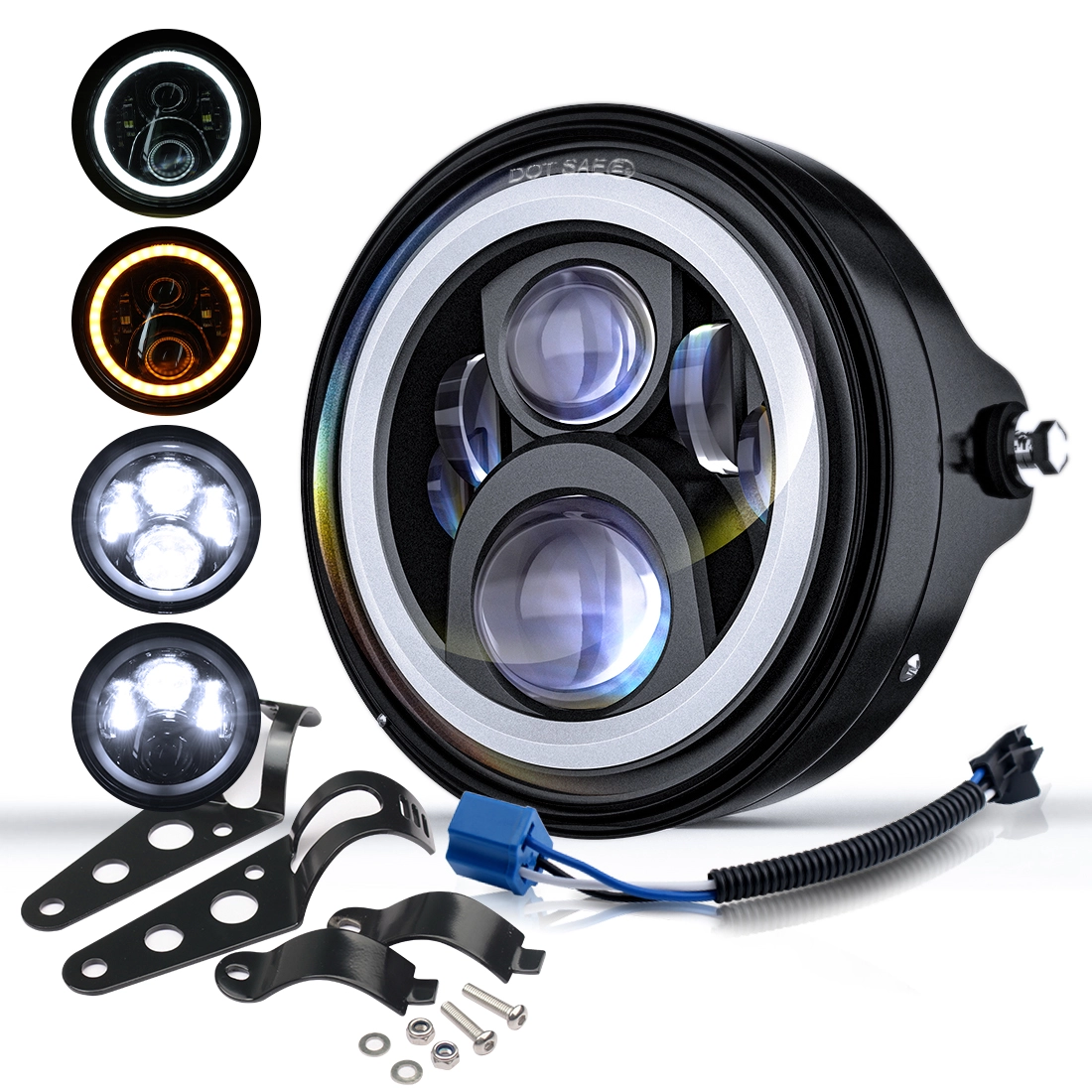
Waterproof and Durable: C1H-WA Motorcycle LED Review
Wholesale led driving lights for utv manufacturer and supplier
Dealers
Is there any fee to become a distributor?
There may be initial costs associated with setup and training, but these details will be listed in the distributor agreement. Our goal is to ensure that the cooperation is beneficial to both parties.
What are the eligibility requirements to become a distributor?
We welcome applications from businesses of all sizes. We will evaluate based on the market demand, sales capabilities, and business background in your region.
FAQ
What is the difference between ODM and OEM services?
OEM (Original Equipment Manufacturer) services involve producing products based on the customer’s existing design, while ODM (Original Design Manufacturer) services include creating new designs according to customer specifications.
What services do you offer?
We offer custom design, manufacturing, and engineering services for LED lighting solutions, tailored to meet the specific requirements of our clients.
What is the warranty period for your products?
We offer a warranty period of 12 months from the date of purchase for our LED lights and other products. During this period, we will repair or replace any defective items free of charge.
Motorcycle Led Headlight - Model C1H-WA
Bliauto Motorcycle Headlight - Model C1H-WA: High-quality LED design from leading brand manufacturers of motorcycle headlights. Precision Manufacturing Motorcycle Headlight ensures high visibility, durability, and easy fit for all riders.

Jump Starter - Model JS1
Bliauto JS1 Jump Starter – Reliable Power On-the-Go As a brand manufacturer & wholesale jump starter supplier, Bliauto delivers high-quality portable power solutions. The JS1 Jump Starter provides instant engine starts, USB charging, and durable performance—ideal for emergencies. Trusted by professionals, it’s compact, safe, and backed by expert engineering. Wholesale options are available—power up with Bliauto! Optimized for SEO with target keywords while maintaining clarity and brand authority. Let me know if you'd like refinements!
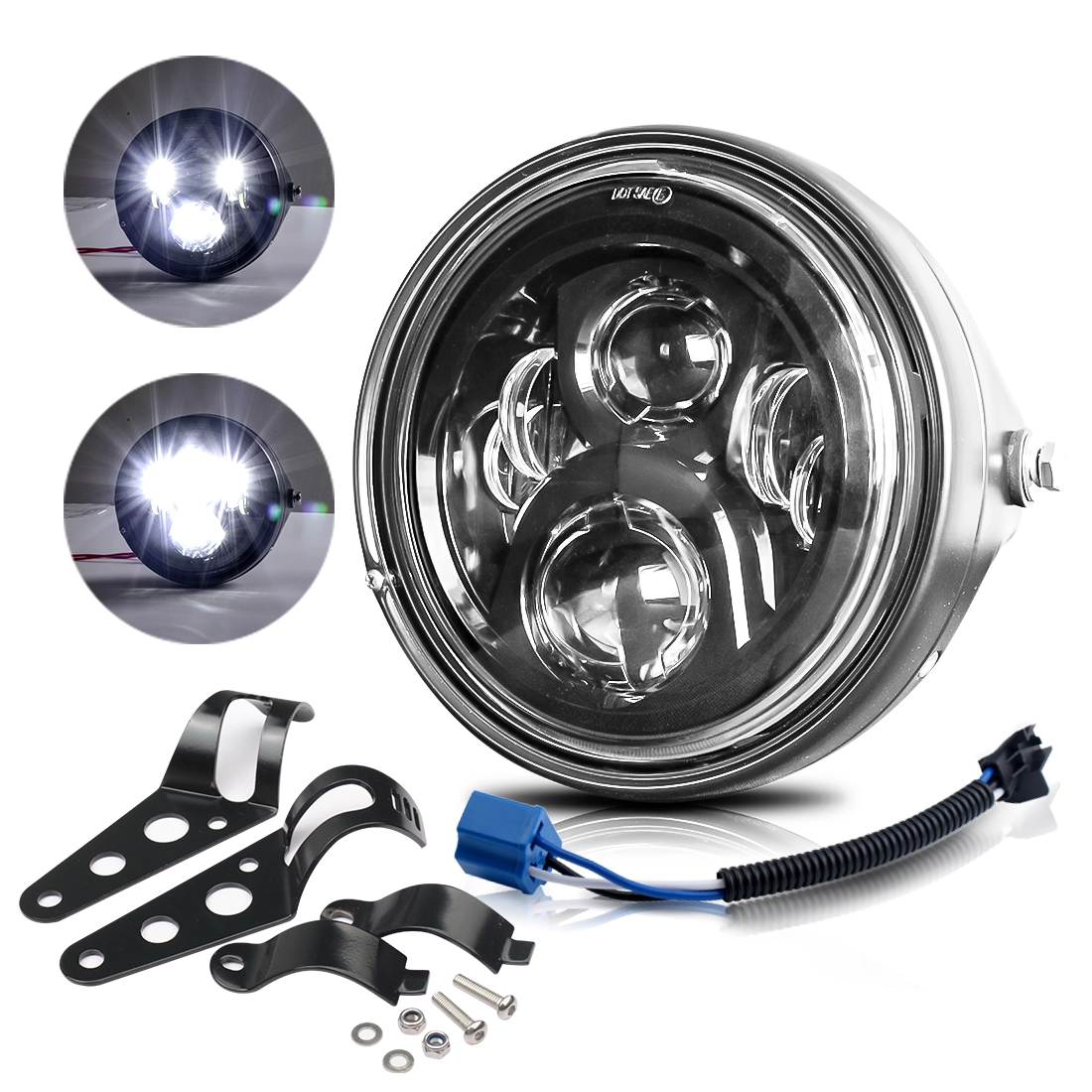
Motorcycle Led Headlight - Model C1H-HL
Bliauto Motorcycle Headlight - Model C1H-HL: High-quality brand motorcycle headlight with durable LEDs, easy installation, and high-beam performance. Trusted brand manufacturers motorcycle headlights for safety. Choose Manufacturing Motorcycle Headlight quality.
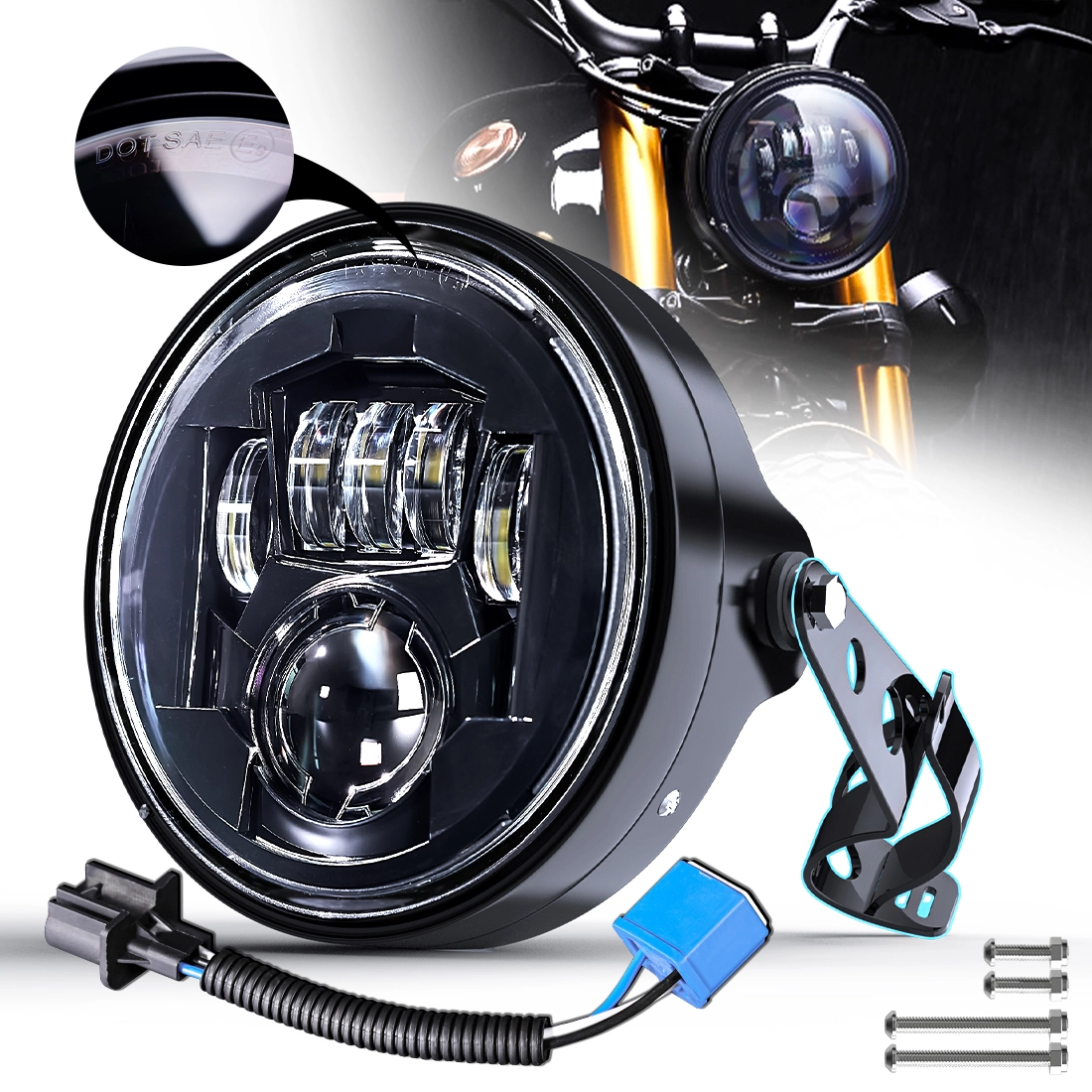
Motorcycle Led Headlight - Model C2H-HL
Bliauto Motorcycle Headlight - Model C2H-HL: high-brightness, energy-efficient LED beam for superior visibility and durability. Perfect for brand manufacturers of motorcycle LED headlights, manufacturing motorcycle LED headlights, and brand motorcycle LED headlight supply.
Your Trusted Partner for Customized Automotive LED Lighting Solutions
 info@bliauto.com
 +86 188 1184 6160
© 2025 Bliauto All Rights Reserved.
Bliauto
Bliauto Light
Bliauto
Bliauto Light
Bliauto
Whatsapp: +8618811846160