







Testing Standards and Lab Certifications for Motorcycle LED Headlight

- Why testing and certification matter for motorcycle lighting
- User safety and legal compliance
- Market access, liability and brand trust
- Key international standards and what they control
- Photometric and optical standards (beam pattern, intensity, color)
- Safety, EMC and chemical/environmental standards
- Typical laboratory tests for motorcycle LED headlights
- Photometric testing and light-source performance
- Environmental, mechanical and reliability testing
- Certifications, test lab accreditation and supplier due diligence
- Product certifications vs. lab accreditations
- What to request from an LED headlight supplier (checklist)
- Standards and certification comparison
- How reliable test results translate into better products
- Design optimization using test data
- Reducing field failures and warranty costs
- Partnering with a qualified LED automotive manufacturer: Bliauto
- Why manufacturer capabilities matter
- Bliauto — positioning and capabilities
- Practical steps for buyers and engineers
- Pre-purchase checklist
- When specifying for OEM projects
- FAQ — Common questions about motorcycle LED headlight testing and certification
- Q1: Do motorcycle LED headlights need DOT or ECE approval?
- Q2: What is the difference between LM-79 and LM-80 tests?
- Q3: How important is an ISO/IEC 17025 test report?
- Q4: What IP rating should a motorcycle headlight have?
- Q5: Can aftermarket LED headlights cause electromagnetic interference?
- Q6: How do I validate a supplier’s certification claims?
- Contact & next steps
- References and further reading
Why testing and certification matter for motorcycle lighting
User safety and legal compliance
Motorcycle LED headlights are a critical safety system: they determine visibility for the rider and the motorcycle’s conspicuity to other road users. Non-compliant lights can produce glare, inadequate beam pattern, or color shifts that reduce reaction time and increase crash risk. Testing to recognised standards (e.g., FMVSS 108 in the U.S., UNECE regulations in many markets) ensures headlamps meet minimum photometric, optical and durability criteria required by law.
Market access, liability and brand trust
Certifications and laboratory reports are often mandatory for sale in regulated markets and expected by distributors and fleet buyers. For manufacturers and sellers, certified products reduce commercial risk, limit liability exposure in the event of incidents, and build trust among dealers and end customers. For OEM/ODM partners, documented compliance streamlines qualification and reduces aftermarket returns.
Key international standards and what they control
Photometric and optical standards (beam pattern, intensity, color)
Standards specify how a headlight should illuminate the road while minimizing glare. Common references include:
- FMVSS 108 (United States): performance and marking requirements for vehicle lamps and reflectors; requires DOT-compliant lighting for the U.S. market.
- UNECE Regulations (notably R112 for headlamps and R10 for EMC): E-mark approvals are required or accepted in many regions globally.
- SAE J-series recommended practices: provide technical measurement methods, photometric definitions and test procedures used widely by North American manufacturers.
Safety, EMC and chemical/environmental standards
Key areas beyond optics:
- Electromagnetic compatibility (EMC): ECE R10 and standards such as CISPR 25 (vehicle component EMC) ensure LEDs and drivers don’t create interference with vehicle electronics or radio systems.
- Ingress protection (IP) and corrosion: IEC 60529 defines IP ratings (e.g., IP67/IP68) and tests like salt spray (ISO 9227) verify resistance to water and corrosion.
- Electrical and photometric test methods: IES (LM-79) for electrical/photometric measurement and LM-80 for LED lumen maintenance.
- Automotive quality systems: IATF 16949 / ISO 9001 for manufacturing process control and traceability.
Typical laboratory tests for motorcycle LED headlights
Photometric testing and light-source performance
Photometric tests measure luminous intensity, beam pattern and color. Typical measurements and standards include:
| Test | Purpose | Reference/Method |
|---|---|---|
| Beam pattern & intensity | Verify cut-off, hotspot and glare | FMVSS 108 / UNECE R112, SAE test rigs |
| Luminous flux & efficacy | Measure total light output and lm/W | IES LM-79 measurement procedure |
| Lumen maintenance | Predict long-term output depreciation | IES LM-80 plus TM-21 projection |
| Color temperature & chromaticity | Ensure acceptable CCT/color consistency | IEC/ANSI color measurement methods |
Environmental, mechanical and reliability testing
Durability tests simulate field conditions to ensure longevity and safety:
- Ingress protection (water/dust): IP tests per IEC 60529 (e.g., IP67 immersion, IP6x dust tests).
- Vibration and mechanical shock: ISO 16750-3 or similar automotive mechanical stress tests simulate road vibrations and impacts typical for motorcycles.
- Thermal cycling and temperature extremes: verify performance across the operating and storage temperature range.
- Salt spray/corrosion: ISO 9227 accelerated corrosion tests for external housings, brackets and connectors.
- UV and aging (UV exposure, chemical resistance): ISO 4892 tests for polymer degradation on lenses and housings.
Certifications, test lab accreditation and supplier due diligence
Product certifications vs. lab accreditations
There are two layers to check when qualifying LED headlights:
- Product approvals/certificates — examples include DOT marking (U.S.), E-mark (UNECE approval), ADR compliance (Australia) and local homologation certificates. These indicate a product model or type has met regulatory tests for a jurisdiction.
- Laboratory accreditation — ISO/IEC 17025 accreditation shows a test lab is competent to perform specific tests. Always prefer test reports from 17025-accredited labs for regulatory and procurement confidence.
What to request from an LED headlight supplier (checklist)
When evaluating suppliers or products, request and verify:
- Copies of test reports with clear scope, test dates, and lab accreditation stamps (ISO/IEC 17025).
- Product certificates or homologation approvals (DOT, E-mark, ADR etc.) and the exact part numbers covered.
- Photometric files (IES files or equivalent) and beam pattern plots to validate claims.
- Manufacturer quality certifications (IATF 16949, ISO 9001) and process control evidence.
- Bill of materials (BOM) and component certifications (e.g., LED binning data, driver safety approvals like UL 8750 when applicable).
Standards and certification comparison
| Standard / Mark | Region / Scope | What it verifies |
|---|---|---|
| FMVSS 108 (DOT) | United States | Lamps/reflector performance, photometry, marking; mandatory for road-legal products in U.S. |
| UNECE R112 (E-mark) | Europe & many other countries | Headlamp beam pattern, photometric requirements for approval; E-mark indicates homologation. |
| IEC 60529 (IP code) | Global | Ingress protection test methods: dust and water resistance ratings (IPx7, IPx8, etc.). |
| IES LM-79 / LM-80 | Industry (photometry / LEDs) | Electrical/photometric measurement (LM-79) and LED lumen maintenance (LM-80). |
| ISO/IEC 17025 (lab accredit.) | Global | Laboratory competence and test method validity. |
How reliable test results translate into better products
Design optimization using test data
Photometric measurements (IES files, beam plots) and thermal profiling from qualified labs allow engineers to iterate optical design, heat-sinking, and driver controls to meet target beam patterns and lifetime. Lumen maintenance data (LM-80 + TM-21 projections) inform warranty decisions and expected service life.
Reducing field failures and warranty costs
By validating ingress protection, corrosion resistance, and vibration tolerance under defined standards, manufacturers reduce common failure modes (water ingress, connector corrosion, LED solder fatigue). Verified component selection (reliable driver ICs, rated connectors) combined with proper assembly standards lowers warranty claims and builds brand reputation.
Partnering with a qualified LED automotive manufacturer: Bliauto
Why manufacturer capabilities matter
For wholesalers, retailers and OEM customers, choosing a manufacturing partner that integrates testing, certification support and scalable production is essential. A partner who provides verified test data, supports homologation and offers ODM/OEM flexibility accelerates product market entry and reduces compliance risk.
Bliauto — positioning and capabilities
Bliauto is a leading LED automotive manufacturer specializing in ODM and OEM custom solutions for LED lighting products. At Bliauto, we take pride in offering excellent private label, ODM, and OEM automotive lighting products and services. We cater to wholesale distributors, retailers, and business customers with confidence in our LED automotive product range, which includes superior off-road LED lights, LED light bars, LED driving lights, LED work lights for agricultural machinery, LED marine lights, LED searchlights, LED emergency warning lights, and much more.
Bliauto’s competitive strengths:
- Full product development lifecycle: optical design, thermal engineering, electronics and rugged housings optimized for motorcycles and off-road applications.
- Quality and compliance focus: testing coordination, support for homologation (DOT/ECE), and documentation from accredited labs.
- Flexible manufacturing: private labeling, custom packaging, and small-to-large volume production with traceable BOM and quality controls.
- Product strengths: Headlights, Light Bars, Work Lights, Rock Lights, Driving Lights — engineered for durability and performance.
If you are ready to start an automotive lighting business, Bliauto is your best choice. From private labeling to custom packaging, we’re willing to make any necessary tweaks to meet your specific needs. Our vision is to become the world's leading automotive lighting manufacturer. Visit: https://www.bliauto.com/ to learn more about product ranges and partnership options.
Practical steps for buyers and engineers
Pre-purchase checklist
Before buying or specifying motorcycle LED headlights, confirm:
- Applicable regulations for your target market (DOT/ECE/ADR etc.).
- Availability of ISO/IEC 17025 lab reports covering the model and test scope.
- Photometric files (IES), IP rating, thermal and vibration test results.
- Manufacturer quality certificates (IATF 16949 / ISO 9001) and traceable component data.
When specifying for OEM projects
Include explicit acceptance criteria in specifications: photometric acceptance (beam cut-off coordinates), minimum LM-80/TM-21 lumen maintenance projection, required IP rating, EMC limits, and sample qualification plan with a defined accredited lab. Building these into contracts avoids ambiguity during validation.
FAQ — Common questions about motorcycle LED headlight testing and certification
Q1: Do motorcycle LED headlights need DOT or ECE approval?
A1: It depends on the market. The United States typically requires FMVSS 108 (DOT compliance) for on-road products; many countries accept UNECE regulations (E-mark) or have their own homologation processes. Check local vehicle regulations for street-legal requirements.
Q2: What is the difference between LM-79 and LM-80 tests?
A2: LM-79 is a test method for measuring the electrical and photometric performance of LED luminaires (total flux, efficacy, color). LM-80 measures lumen maintenance of LED packages, arrays, or modules over time—used to predict long-term brightness (TM-21 projects lifetime).
Q3: How important is an ISO/IEC 17025 test report?
A3: Very important. ISO/IEC 17025 accreditation demonstrates a lab’s competence and the validity of test methods. Products tested in accredited labs give stakeholders more confidence in the results and are often required for homologation.
Q4: What IP rating should a motorcycle headlight have?
A4: For motorcycle use, IP67 is a common baseline (dust-tight and protected against immersion up to 1 m), with IP68 used for higher water-resistance expectations. Choose ratings based on intended operating conditions (off-road, rainy climates, water crossings).
Q5: Can aftermarket LED headlights cause electromagnetic interference?
A5: Yes—improperly designed LED drivers can produce conducted or radiated emissions disrupting radios, ECUs or sensors. EMC testing (e.g., CISPR 25, ECE R10) helps ensure compatibility with vehicle electronics.
Q6: How do I validate a supplier’s certification claims?
A6: Request signed copies of test reports, verify lab accreditation with the issuing accreditation body, confirm product markings (DOT/E-mark numbers), and ask for detailed scope and date of tests. Independently commissioning a test from an accredited lab is the most reliable validation method.
Contact & next steps
If you need verified motorcycle LED headlights for retail, OEM projects, or private label programs, consult with manufacturers that provide full testing and certification support. Bliauto offers ODM/OEM services, accredited-test coordination, and a broad product portfolio including Headlights, Light Bars, Work Lights, Rock Lights and Driving Lights. Visit Bliauto at https://www.bliauto.com/ to request quotes, review technical data sheets, or begin a private-label project.
References and further reading
- FMVSS 108 — Federal Motor Vehicle Safety Standard No. 108 (U.S. DOT / NHTSA). https://www.nhtsa.gov/technology-innovation/standards-equipment (accessed 2026-01-10).
- UNECE Vehicle Regulations — United Nations Economic Commission for Europe, Transport. https://unece.org/transport/vehicle-regulations (accessed 2026-01-10).
- IEC 60529 — Degrees of protection provided by enclosures (IP Code). International Electrotechnical Commission. https://www.iec.ch/ (see IEC 60529) (accessed 2026-01-10).
- IES LM-79 and LM-80 — Illuminating Engineering Society standard documents overview. https://www.ies.org/standards/ (accessed 2026-01-10).
- ISO/IEC 17025 — General requirements for the competence of testing and calibration laboratories. https://www.iso.org/standard/66912. (accessed 2026-01-10).
- IATF 16949 — Automotive quality management standard. https://www.iatfglobaloversight.org/ (accessed 2026-01-10).
- CISPR 25 — Vehicle component electromagnetic interference guidance (see IEC/CISPR resources). https://www.iec.ch/ (search CISPR 25) (accessed 2026-01-10).
- ISO 9227 — Salt spray (corrosion) testing. https://www.iso.org/standard/20934. (accessed 2026-01-10).
- UL 8750 — Standard for LED equipment for use in lighting products (UL). https://www.ul.com/ (accessed 2026-01-10).
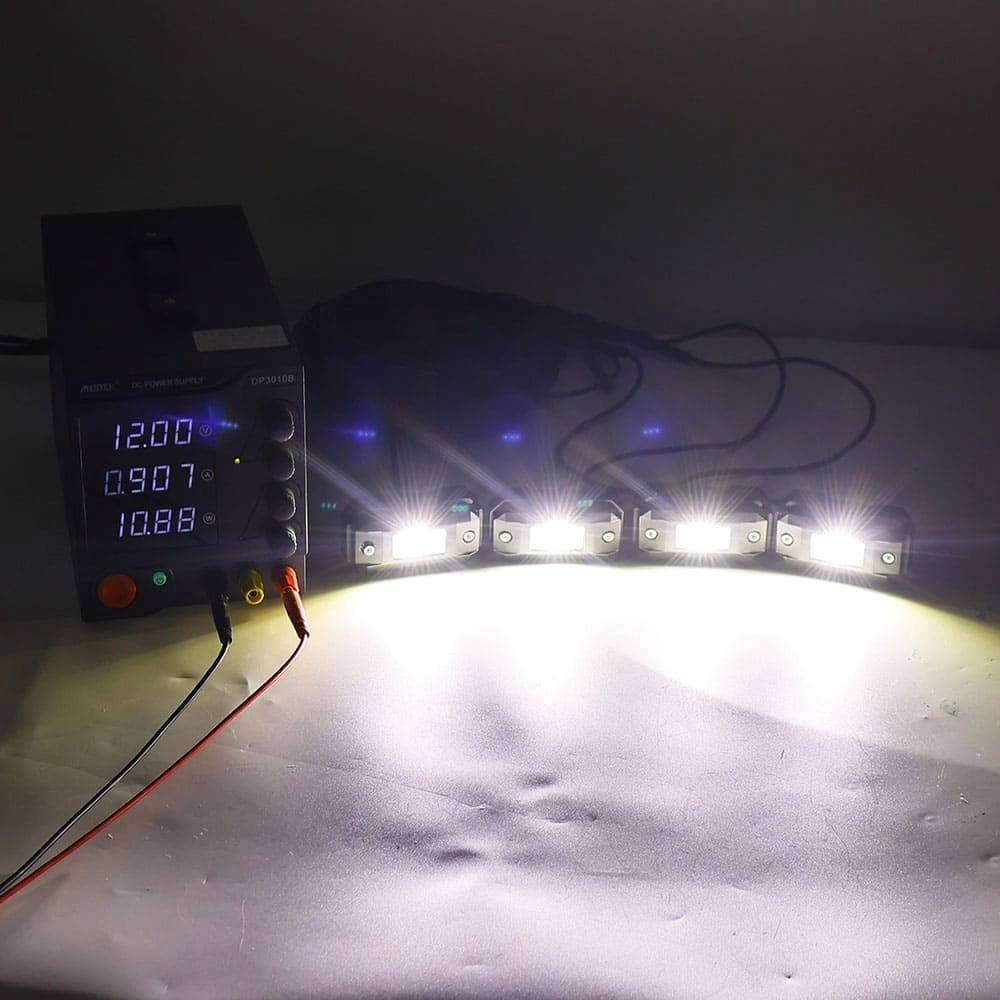
LED Rock Lights Guide: Best Uses and Mounting Tips
How to Clean and Maintain Motorcycle LED Pods — A Practical Guide
LED Pod Lights Installation Tips: Step-by-Step Guide
LED vs halogen motorcycle headlights: pros and cons
Dealers
Is there any fee to become a distributor?
There may be initial costs associated with setup and training, but these details will be listed in the distributor agreement. Our goal is to ensure that the cooperation is beneficial to both parties.
What are the eligibility requirements to become a distributor?
We welcome applications from businesses of all sizes. We will evaluate based on the market demand, sales capabilities, and business background in your region.
FAQ
What is the warranty period for your products?
We offer a warranty period of 12 months from the date of purchase for our LED lights and other products. During this period, we will repair or replace any defective items free of charge.
What services do you offer?
We offer custom design, manufacturing, and engineering services for LED lighting solutions, tailored to meet the specific requirements of our clients.
What products does Guangzhou Jiabao Electronic Technology Co., Ltd. specialize in?
We specialize in providing ODM/OEM customized solutions for LED lighting systems for transportation vehicles, including cars, motorcycles, and trucks.
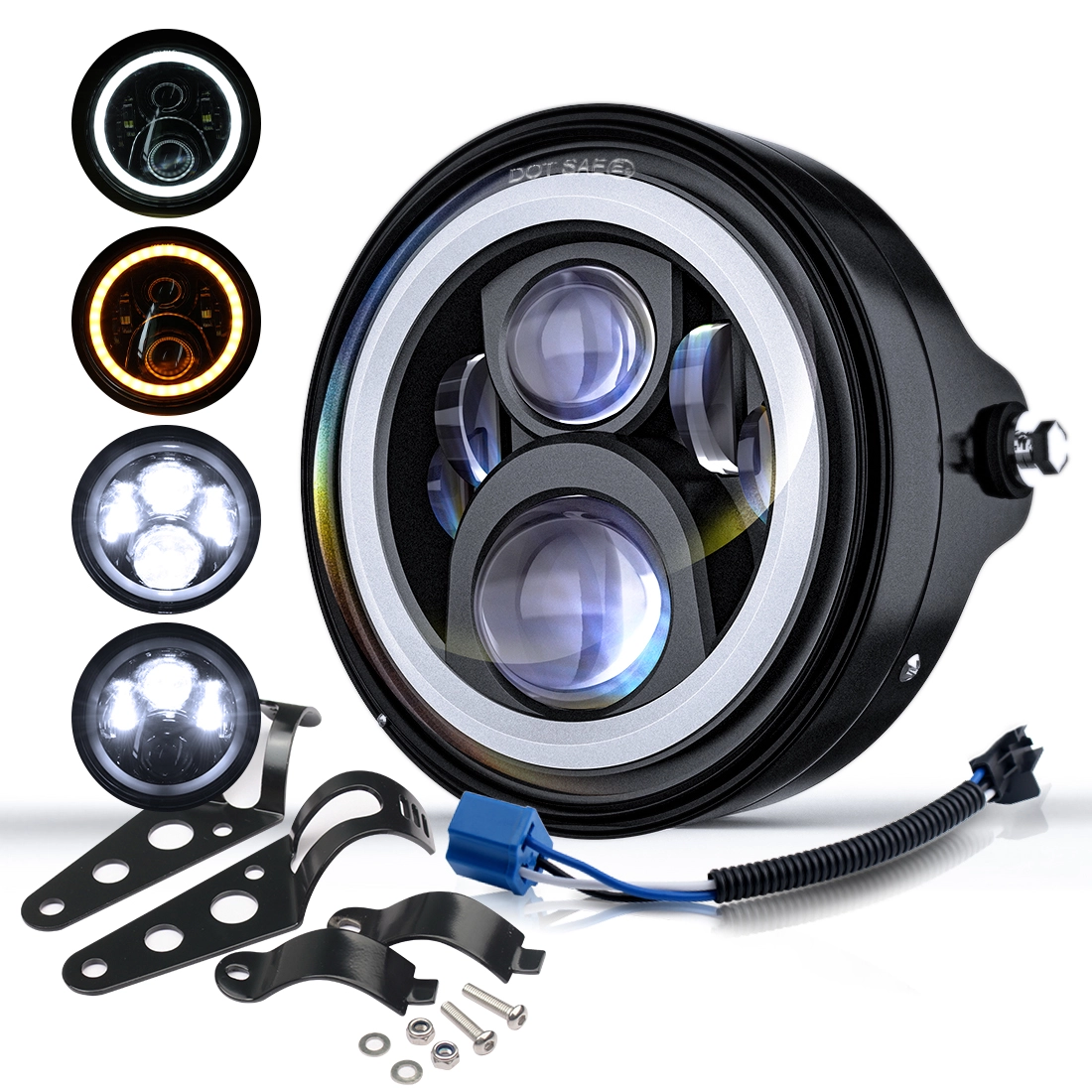
Motorcycle Led Headlight - Model C1H-WA
Bliauto Motorcycle Headlight - Model C1H-WA: High-quality LED design from leading brand manufacturers of motorcycle headlights. Precision Manufacturing Motorcycle Headlight ensures high visibility, durability, and easy fit for all riders.

Jump Starter - Model JS1
Bliauto JS1 Jump Starter – Reliable Power On-the-Go As a brand manufacturer & wholesale jump starter supplier, Bliauto delivers high-quality portable power solutions. The JS1 Jump Starter provides instant engine starts, USB charging, and durable performance—ideal for emergencies. Trusted by professionals, it’s compact, safe, and backed by expert engineering. Wholesale options are available—power up with Bliauto! Optimized for SEO with target keywords while maintaining clarity and brand authority. Let me know if you'd like refinements!
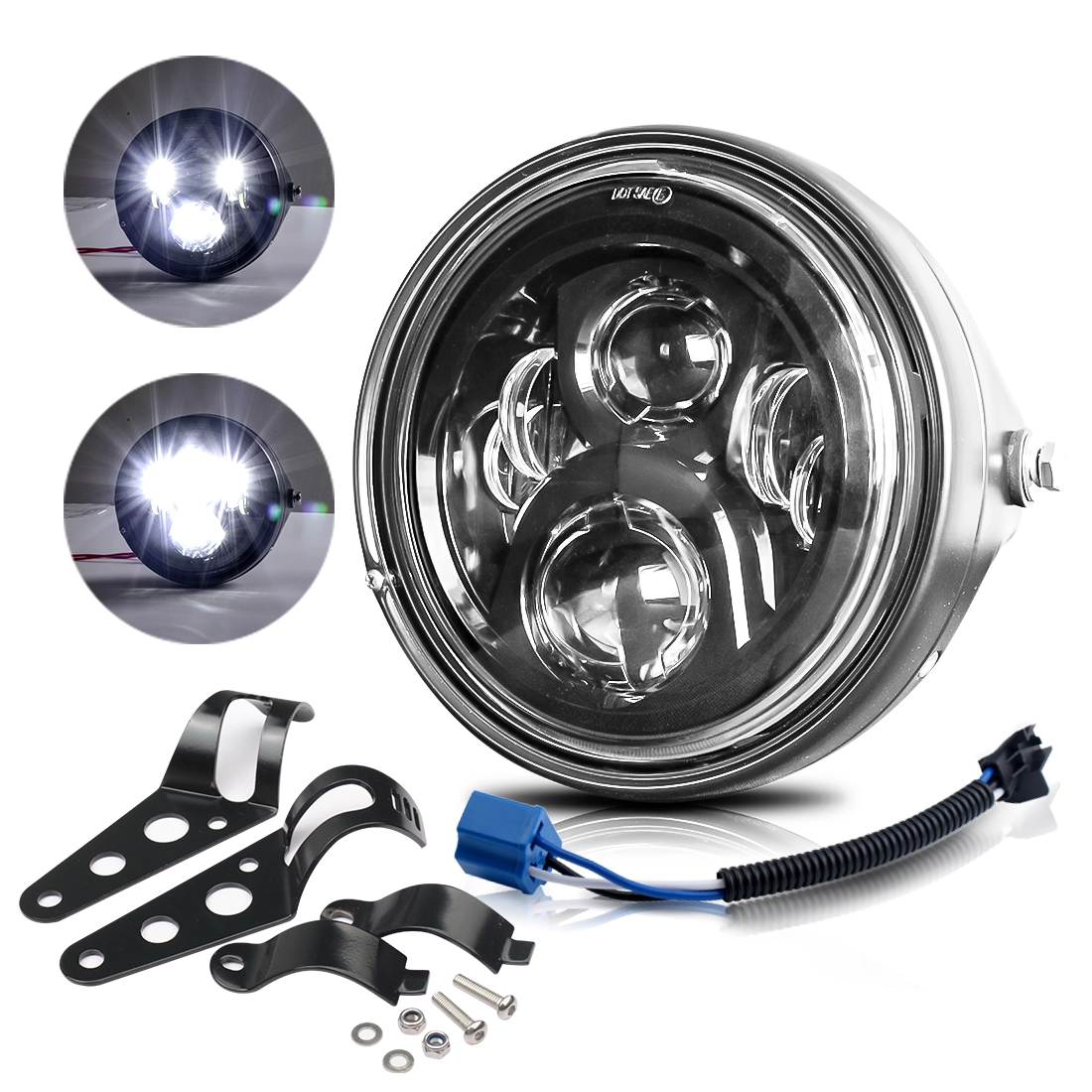
Motorcycle Led Headlight - Model C1H-HL
Bliauto Motorcycle Headlight - Model C1H-HL: High-quality brand motorcycle headlight with durable LEDs, easy installation, and high-beam performance. Trusted brand manufacturers motorcycle headlights for safety. Choose Manufacturing Motorcycle Headlight quality.
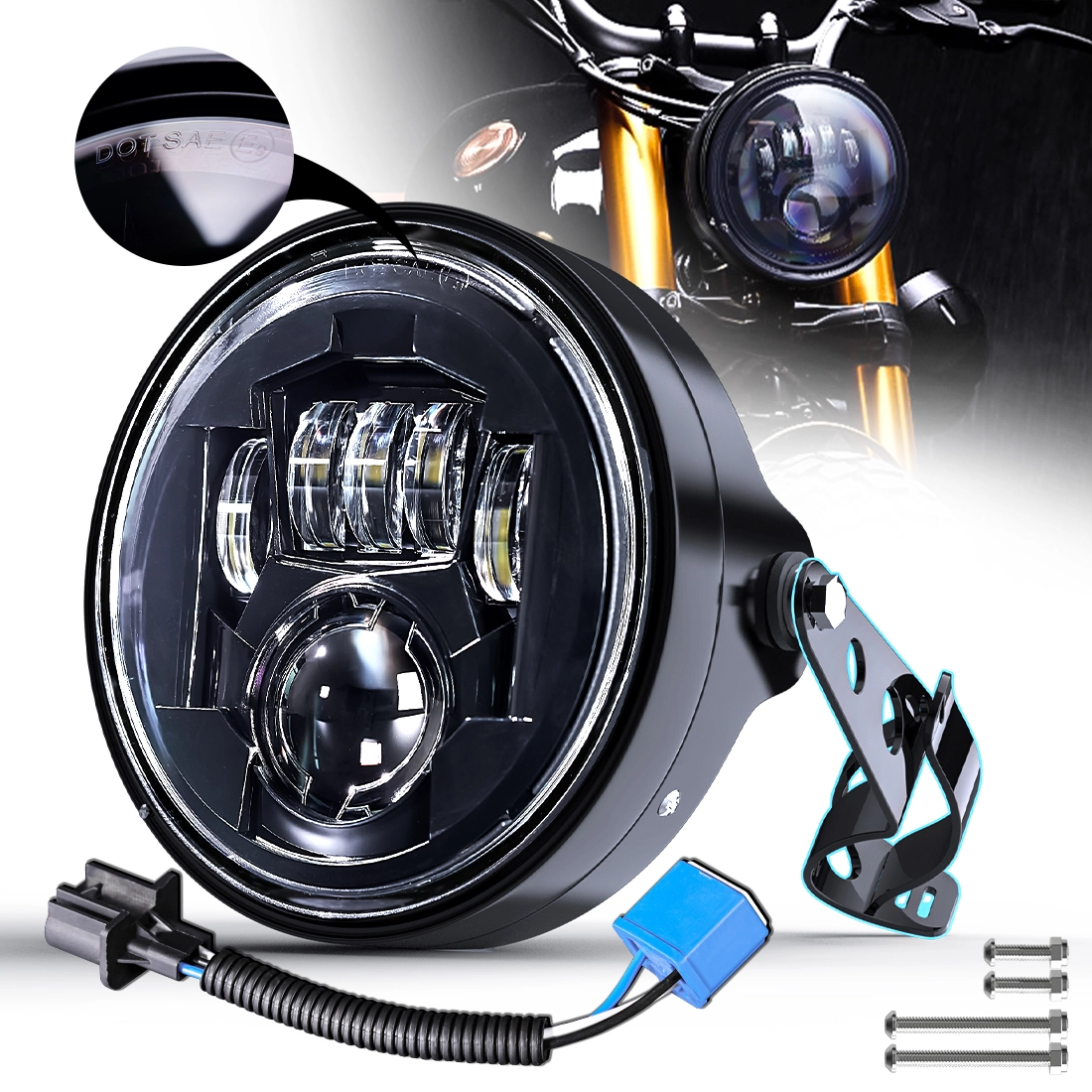
Motorcycle Led Headlight - Model C2H-HL
Bliauto Motorcycle Headlight - Model C2H-HL: high-brightness, energy-efficient LED beam for superior visibility and durability. Perfect for brand manufacturers of motorcycle LED headlights, manufacturing motorcycle LED headlights, and brand motorcycle LED headlight supply.
Your Trusted Partner for Customized Automotive LED Lighting Solutions
 info@bliauto.com
 +86 188 1184 6160
© 2025 Bliauto All Rights Reserved.
Bliauto
Bliauto Light
Bliauto
Bliauto Light
Bliauto
Whatsapp: +8618811846160