







Motorcycle Light Bars: Everything You Need to Know

- Introduction
- Choosing the Right Lighting for Your Motorcycle
- Types of Motorcycle Light Bars: Spot, Flood, and Combo
- LED Technology and Performance Specs
- Mounting Locations and Electrical Considerations
- Installation, Wiring, and Power Management
- Wiring Best Practices and Relays
- Fuse, Switch, and CAN-bus Compatibility
- Heat Dissipation and Housing
- Legal, Safety, and Practical Considerations
- Regulations by Region
- Visibility, Glare, and Rider Safety
- Weatherproofing and IP Ratings
- Choosing a Supplier and Customization Options
- OEM/ODM, Private Labeling and Why It Matters
- Quality Certifications and Testing
- Packaging, MOQ and Lead Times
- Technical Comparison: Spot vs Flood vs Combo
- Conclusion
- Frequently Asked Questions
- Q1: Are motorcycle light bars legal on public roads?
- Q2: How do I aim my motorcycle light bar correctly?
- Q3: What IP rating should I choose?
- Q4: Can my motorcycle’s charging system handle high-power LED bars?
- Q5: Why choose an OEM/ODM partner?
This guide consolidates up-to-date, region-aware information about motorcycle light bars — including LED technology, beam patterns, power and wiring requirements, IP ratings, and legal/regulatory considerations (US NHTSA, EU/ECE). It’s optimized for local intent and search relevance so riders, distributors, and businesses can quickly find practical, compliant solutions for motorcycle auxiliary lighting.
Introduction
Motorcycle light bars have become a popular upgrade for riders seeking improved visibility, longer-range illumination, and a more confident night ride. Whether you are adding a compact 6 auxiliary bar for commuting or a high-output combo bar for adventure touring, understanding LED performance, mounting, wiring, weatherproofing, and legal rules is essential. This article helps riders, retailers, and businesses make informed choices and provides OEM/ODM considerations for partners interested in private labeling motorcycle lighting products.
Choosing the Right Lighting for Your Motorcycle
Types of Motorcycle Light Bars: Spot, Flood, and Combo
Light bars are typically categorized by beam pattern:
- Spot: Narrow, long-range beams for distance (ideal for high-speed roads or highways).
- Flood: Wide, short-to-mid-range beams that illuminate shoulders and close obstacles (best for low-speed off-road and urban riding).
- Combo: Mixes spot and flood LEDs to balance distance and peripheral coverage — a common choice for adventure and dual-sport motorcycles.
Choosing the beam type depends on your primary use: commuting, off-road, touring, or emergency/utility applications.
LED Technology and Performance Specs
Key LED specs to evaluate include:
- Lumens: A measure of luminous flux. Motorcycle light bars range from a few hundred lumens (small bars) to over 10,000 lumens for large, multi-row units. Typical compact bars are 1,000–4,000 lm; larger bars commonly exceed 8,000 lm.
- Wattage: Dictates power draw. Light bars for motorcycles commonly range from 10 W to 120 W. High-efficiency LEDs can deliver higher lumen output per watt (lm/W).
- Beam distance: Spot beams can reach several hundred meters (500–1,000 m or more depending on array and optics), while flood beams are optimized for near-field use (10–100 m).
- Color temperature: Measured in Kelvins (K). 5,000–6,500 K is common for crisp white light; 3,000–4,000 K can enhance contrast in fog or dust.
For fundamentals on LEDs and light characteristics, see the Wikipedia overview on LEDs: https://en.wikipedia.org/wiki/Light-emitting_diode.
Mounting Locations and Electrical Considerations
Common mounting positions include crash bar mounts, fork mounts, windscreen brackets, crash bar clamps, and above or below the main headlamp. Important electrical considerations:
- Confirm your motorcycle’s charging system (alternator output) can supply the added wattage without overloading the battery. Small bars (≤30 W) are usually safe for modern bikes; higher-power bars may require upgraded stators or dedicated batteries.
- Use proper mounting hardware and vibration isolators to protect LEDs and optics from road vibration.
Installation, Wiring, and Power Management
Wiring Best Practices and Relays
Proper wiring increases reliability and reduces fire risk. Follow these best practices:
- Use automotive-grade wiring sized for the current draw. For example, a 10 A circuit typically requires 18–16 AWG; 20–30 A circuits use 12–10 AWG. Check the ampacity tables and add margin for safety.
- Install a relay for each high-current accessory; control the relay coil from a switch or the bike’s lighting circuit. Relays protect switches and reduce voltage drop.
- Route wires away from heat sources, moving parts, and pinch points. Secure with clamps or zip ties and use heat-shrink and dielectric grease at connectors to prevent corrosion.
Fuse, Switch, and CAN-bus Compatibility
Always fuse at the power source (battery) near the positive terminal. Match fuse rating to the circuit with a slight margin above expected current. If your motorcycle uses a CAN-bus or smart charging system, choose lights and controllers that are CAN-compatible or use an appropriate CAN-bus interface to avoid fault codes or electrical interference.
Heat Dissipation and Housing
LEDs produce heat at the junction that must be dissipated via heatsinks and housings. Look for aluminum housings with fins, thermal pads, and IP-rated seals. Overheating reduces lumen output and lifetime; good designs include thermal protection and ventilation where appropriate.
Legal, Safety, and Practical Considerations
Regulations by Region
Legal requirements for auxiliary lamps vary by country and region. In the United States, the National Highway Traffic Safety Administration (NHTSA) provides lighting equipment standards and guidance: https://www.nhtsa.gov/equipment/lighting. In Europe, UNECE regulations and local national rules govern headlamps and auxiliary lights — check UNECE and EU transport pages for relevant rules: https://unece.org/transport/road-transport/vehicle-regulations.
Generally, considerations include allowable mounting height, beam aim and pattern, color, and whether auxiliary lamps must be wired to the dipped (low) beam or only used off-road. Always confirm local vehicle codes before installation.
Visibility, Glare, and Rider Safety
Bright auxiliary lighting improves a rider’s ability to detect obstacles, riders, and animals earlier. However, improperly aimed or overly intense beams can cause glare to oncoming drivers, reducing safety. Best practices:
- Aim lights to illuminate the roadway without pointing above the horizon toward oncoming traffic.
- Use cut-off optics or combo arrays that balance forward distance and spread to minimize glare.
- Consider automatic levelers or aim adjustments for luggage/weight changes that alter bike angle.
Weatherproofing and IP Ratings
Water and dust protection are critical for reliable motorcycle lighting. IP (Ingress Protection) ratings describe protection levels — common guidance from IP Code definitions: https://en.wikipedia.org/wiki/IP_Code. For motorcycle light bars, aim for at least:
- IP67: Dust-tight and short-term immersion (good for most riding conditions).
- IP68: Continuous immersion protection for more extreme environments.
Also look for corrosion-resistant materials, sealed connectors, and conformal-coated PCBs for longevity in wet or salty conditions.
Choosing a Supplier and Customization Options
OEM/ODM, Private Labeling and Why It Matters
When selecting a supplier for motorcycle light bars, consider manufacturers that offer OEM (Original Equipment Manufacturer) and ODM (Original Design Manufacturer) services. Benefits include:
- Private labeling and custom packaging to support retailer branding.
- Design tweaks for market-specific legal compliance and performance targets.
- Volume pricing and consistent quality control for distributors.
Bliauto is an example of a manufacturer offering OEM/ODM solutions for automotive LED lighting, including LED light bars, off-road lights, driving lights, and emergency lighting. Learn more at Bliauto: https://www.bliauto.com/.
Quality Certifications and Testing
Reliable suppliers provide test data and certifications: thermal cycling, salt spray, vibration testing, EMC testing (to prevent interference with vehicle electronics), and compliance documentation for market entry. Look for IEC, RoHS, CE, E-mark (for EU), and DOT/SAE references where applicable.
Packaging, MOQ and Lead Times
Manufacturers catering to wholesale and enterprise customers typically offer flexibility in Minimum Order Quantities (MOQs), custom packaging, and logistics support. Discuss expected lead times, sample policies, and after-sales warranty terms when vetting partners.
Technical Comparison: Spot vs Flood vs Combo
| Type | Typical Wattage | Typical Lumens | Beam Pattern | Effective Range |
|---|---|---|---|---|
| Spot | 20–120 W | 2,000–12,000 lm | Narrow, focused | 200–1000+ m |
| Flood | 10–80 W | 1,000–8,000 lm | Wide spread | 10–200 m |
| Combo | 20–140 W | 3,000–15,000 lm | Integrated spot + flood | 50–700 m |
Conclusion
Motorcycle light bars are a versatile upgrade that can significantly enhance night and off-road visibility when selected and installed correctly. Prioritize beam pattern for your riding style, verify electrical compatibility and IP rating, and comply with local regulations to avoid glare and legal issues. For businesses and distributors, choosing a reputable OEM/ODM partner that offers private labeling, certifications, and testing — such as Bliauto — simplifies product development and market entry.
Frequently Asked Questions
Q1: Are motorcycle light bars legal on public roads?
A1: Legal status depends on where you ride. Many jurisdictions permit auxiliary lights if they meet size, color, mounting height, and aim requirements. Some jurisdictions require that auxiliary lights be wired to low beam or only used off-road. Always consult your local vehicle code or regulatory agency such as NHTSA in the U.S.: https://www.nhtsa.gov/equipment/lighting.
Q2: How do I aim my motorcycle light bar correctly?
A2: Aim lights so the hot spot illuminates the road ahead without pointing above the horizon. Use measured aiming procedures where possible (e.g., set the bike on level ground, mark a vertical wall, back the bike a set distance, and align beam cut-off to a specified height). Avoid directing beams into oncoming traffic.
Q3: What IP rating should I choose?
A3: For most motorcycle applications, IP67 is the practical minimum (dust-tight and temporary immersion). For heavy off-road use in deep water or constant exposure, IP68 or additional sealing and corrosion-resistant materials are recommended.
Q4: Can my motorcycle’s charging system handle high-power LED bars?
A4: It depends on the alternator output and current draw of accessories. Small bars (≤30 W) are often acceptable; multi-row high-output bars (≥60–100 W) can exceed available charging margin. Measure current draw and compare against alternator specifications; consider auxiliary batteries or upgraded charging systems if necessary.
Q5: Why choose an OEM/ODM partner?
A5: OEM/ODM partners can deliver custom designs, private labeling, regulatory testing, and consistent quality at scale. This is especially useful for retailers and distributors who want branded products without investing in in-house development. Bliauto offers these services for automotive LED lighting: https://www.bliauto.com/.
If you need a tailored motorcycle light bar solution or private-label program, contact Bliauto to discuss OEM/ODM options and samples today.
ROI Analysis: Switching Fleets to Truck LED Headlights
Wholesale led pods for truck manufacturer and supplier
Why an LED Light Bar for Truck Is a Must-Have for Off-Road Driving
Where to Buy golf cart led light bar in China
Dealers
Do you provide customized headlights?
Yes, as an OEM/ODM manufacturer, we can provide customized headlight designs based on customer needs to help you stand out in the market.
Is there any fee to become a distributor?
There may be initial costs associated with setup and training, but these details will be listed in the distributor agreement. Our goal is to ensure that the cooperation is beneficial to both parties.
How do I apply to become your distributor?
You can apply by filling in the distributor application form on our website. After submitting your application, our team will contact you to discuss further details.
FAQ
What products does Guangzhou Jiabao Electronic Technology Co., Ltd. specialize in?
We specialize in providing ODM/OEM customized solutions for LED lighting systems for transportation vehicles, including cars, motorcycles, and trucks.
What is the warranty period for your products?
We offer a warranty period of 12 months from the date of purchase for our LED lights and other products. During this period, we will repair or replace any defective items free of charge.
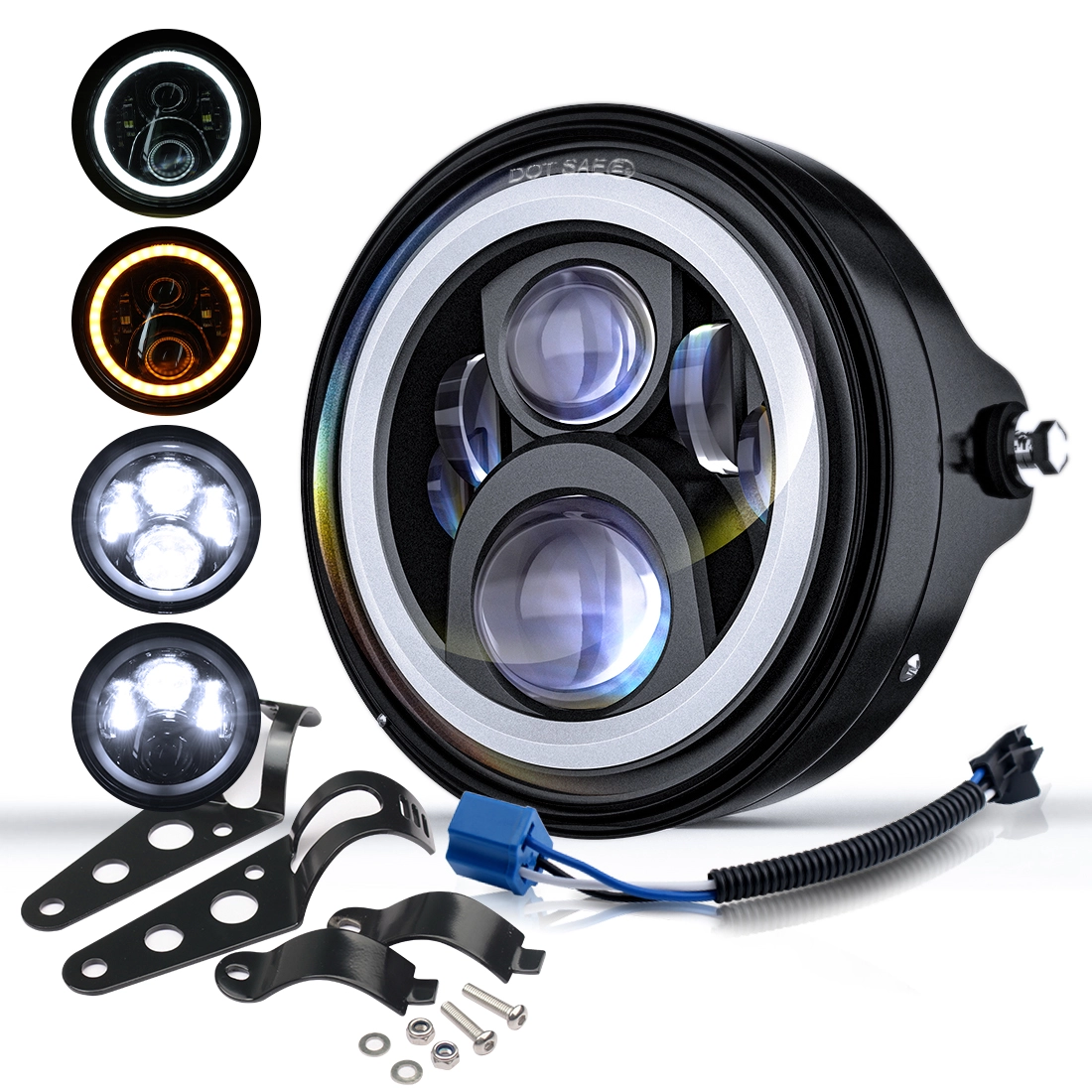
Motorcycle Led Headlight - Model C1H-WA
Bliauto Motorcycle Headlight - Model C1H-WA: High-quality LED design from leading brand manufacturers of motorcycle headlights. Precision Manufacturing Motorcycle Headlight ensures high visibility, durability, and easy fit for all riders.

Jump Starter - Model JS1
Bliauto JS1 Jump Starter – Reliable Power On-the-Go As a brand manufacturer & wholesale jump starter supplier, Bliauto delivers high-quality portable power solutions. The JS1 Jump Starter provides instant engine starts, USB charging, and durable performance—ideal for emergencies. Trusted by professionals, it’s compact, safe, and backed by expert engineering. Wholesale options are available—power up with Bliauto! Optimized for SEO with target keywords while maintaining clarity and brand authority. Let me know if you'd like refinements!
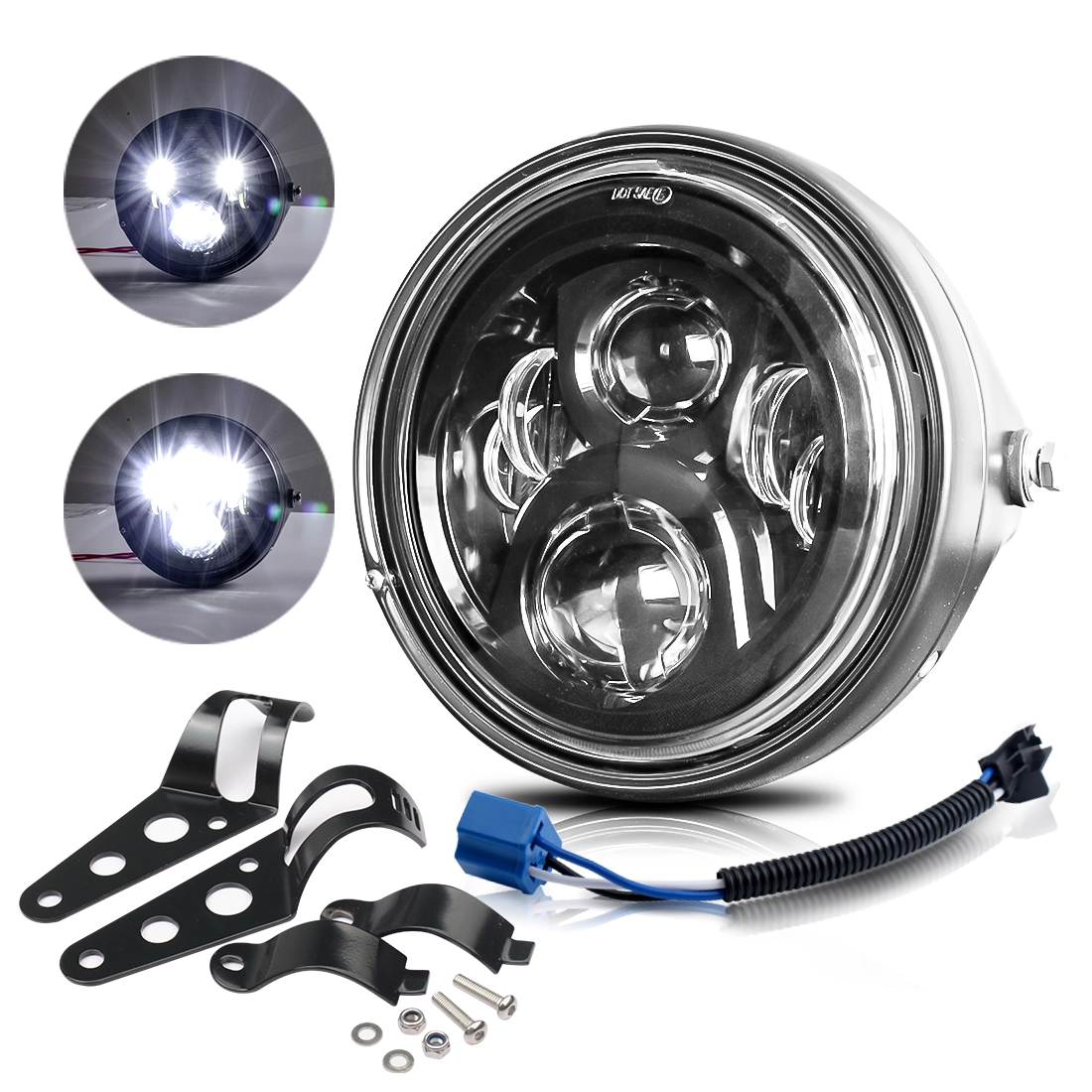
Motorcycle Led Headlight - Model C1H-HL
Bliauto Motorcycle Headlight - Model C1H-HL: High-quality brand motorcycle headlight with durable LEDs, easy installation, and high-beam performance. Trusted brand manufacturers motorcycle headlights for safety. Choose Manufacturing Motorcycle Headlight quality.
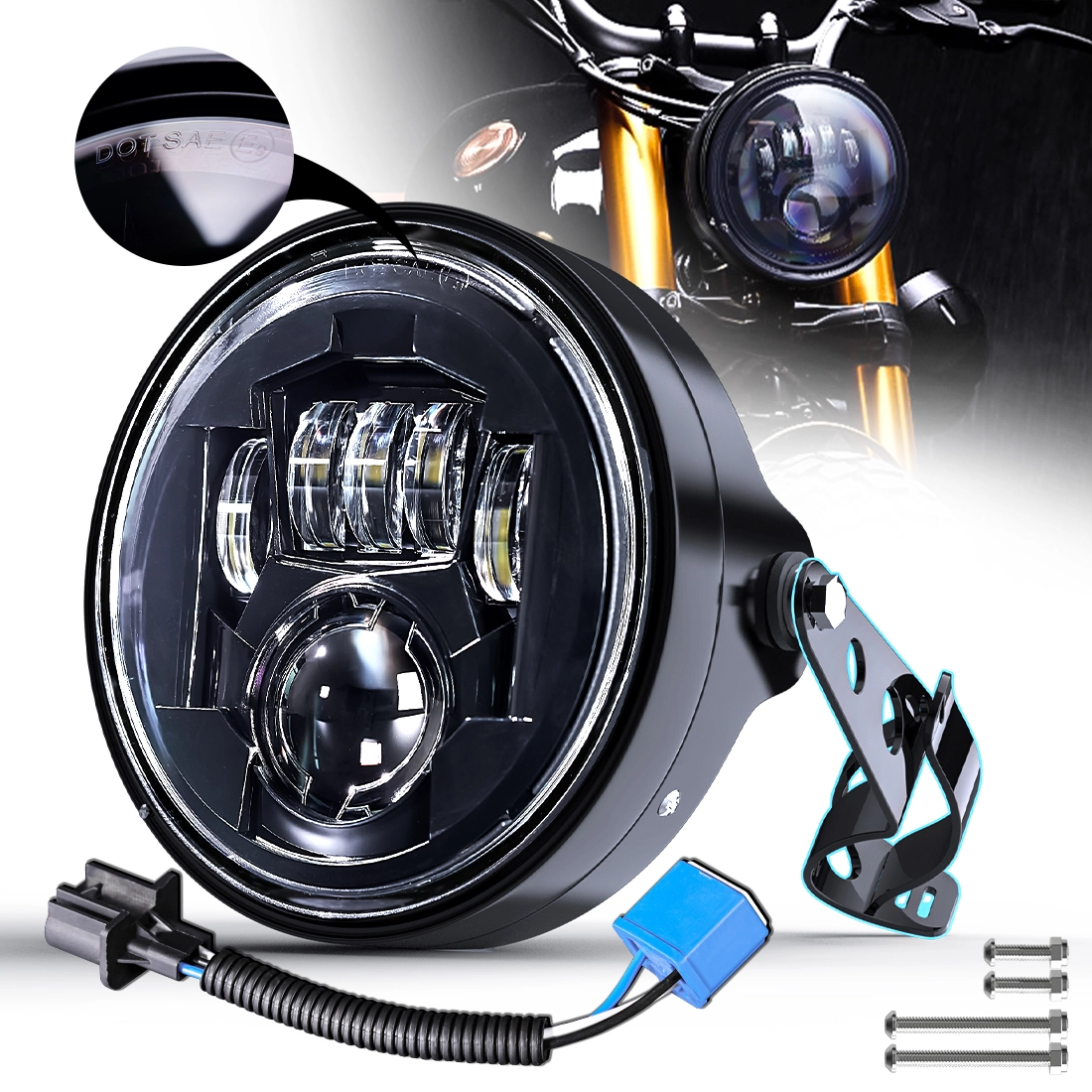
Motorcycle Led Headlight - Model C2H-HL
Bliauto Motorcycle Headlight - Model C2H-HL: high-brightness, energy-efficient LED beam for superior visibility and durability. Perfect for brand manufacturers of motorcycle LED headlights, manufacturing motorcycle LED headlights, and brand motorcycle LED headlight supply.
Your Trusted Partner for Customized Automotive LED Lighting Solutions
 info@bliauto.com
 +86 188 1184 6160
© 2025 Bliauto All Rights Reserved.
Bliauto
Bliauto Light
Bliauto
Bliauto Light
Bliauto
Whatsapp: +8618811846160