







Thermal Management and Lifespan of High-Power Motorbike Lights

- Why Thermal Management Matters for High-Power Motorbike Driving Light Performance
- How heat affects LEDs in a motorbike driving light
- Important Thermal Metrics for a Motorbike Driving Light
- Typical industry numbers for reference
- Design Strategies to Reduce Thermal Stress in Motorbike Driving Light Systems
- Active vs passive cooling for motorbike applications
- Quantitative Comparison: Lifespan vs Thermal Management Approach for Motorbike Driving Light
- Installation, Usage and Maintenance Recommendations for Longer Life of a Motorbike Driving Light
- Practical derating rules
- Selecting a Motorbike Driving Light: Spec Checklist Focused on Thermal and Lifespan Factors
- Bliauto: ODM/OEM Solutions for Thermal-Optimized Motorbike Driving Lights
- Bliauto advantages for motorbike driving light projects
- Real-World Trade-offs and Cost Considerations for Motorbike Driving Light Buyers
- Buying guidance by use case
- FAQ — Motorbike Driving Light Thermal Management & Lifespan
- References and Authoritative Sources
Why Thermal Management Matters for High-Power Motorbike Driving Light Performance
High-power LED solutions have transformed motorbike lighting by delivering far greater lumen output in compact packages. However, thermal stress is the single largest factor that limits luminous efficacy, color stability, reliability, and useful life of a motorbike driving light. Poor heat control raises LED junction temperatures, accelerates lumen depreciation, increases driver failure risk, and may cause catastrophic device failure. This article explains the thermal mechanisms, measurement metrics, practical design strategies, and how to assess product lifespan and real-world performance when selecting or specifying a motorbike driving light.
How heat affects LEDs in a motorbike driving light
LEDs convert a portion of electrical energy into light; the remainder becomes heat. In high-power motorbike driving light modules, heat is concentrated at the LED die (junction), and if not removed efficiently, junction temperature (Tj) rises. Key impacts of elevated Tj include:
- Lower luminous efficacy (cd/W) — higher Tj lowers light output per watt.
- Accelerated lumen depreciation — faster decline to L70/L50 thresholds.
- Color shift — correlated with phosphor and semiconductor temperature changes.
- Higher driver temperatures — reducing reliability of constant-current electronics.
- Increased risk of thermal runaway or irreversible damage to optics and seals.
Important Thermal Metrics for a Motorbike Driving Light
When evaluating a motorbike driving light, these measurable thermal metrics are critical and should be stated on datasheets or verifiable through testing:
- Junction temperature (Tj) — direct indicator of the LED die temperature; usually recommended to remain below manufacturer maximum (commonly ≤ 125°C).
- Case (Tc) temperature — measured at a defined point on the LED package; used in lifetime extrapolation curves.
- Thermal resistance (RthJC, RthCS) — junction-to-case and case-to-sink resistances (°C/W); lower values indicate better heat flow.
- Lumen maintenance (Lx) — L70 or L90 ratings denote hours until lumen output drops to 70% or 90% of initial output, respectively.
- Driver operating temperature — the electronics’ ambient and case temperatures, which impact MTBF (mean time between failures).
Typical industry numbers for reference
Typical high-power automotive LEDs and modules (from LED manufacturer datasheets and industry testing) indicate:
- Manufacturer max junction temperatures: often 125°C (verify specific LED) — operating below this preserves life.
- L70 lifetimes: commonly 30,000–50,000 hours for mid/high-end LEDs under good cooling; some High Quality LEDs claim 100,000 hours under ideal thermal control (see references).
- Thermal resistance RthJC: ranges 1–10 °C/W depending on power bin and package.
Design Strategies to Reduce Thermal Stress in Motorbike Driving Light Systems
Designing a motorbike driving light requires a systems approach: LED selection, PCB and substrate, heat sinking, TIM (thermal interface materials), driver electronics, enclosure, and vehicle mounting all interact thermally. Best practices include:
- Choose LEDs with known thermal performance and lower RthJC. High Quality LED chips provide higher efficacy at elevated junction temperatures and often higher lumen maintenance.
- Use metal-core PCBs (MCPCB) or direct-bonded copper to reduce thermal resistance from LED to heat sink.
- Optimize heat sink geometry and material — aluminum or aluminum alloy with sufficient fin area and conduction path. For compact motorbike lights, well-designed extruded or die-cast bodies act as both housing and heat sink.
- Minimize thermal interface resistance — use high-performance thermal gap fillers or pads and ensure proper mounting torque to avoid air gaps.
- Thermal-aware optics and placement — avoid trapping heat between optics and LEDs; ensure airflow where possible and consider convection paths when mounting on forks or fairings.
- Driver derating and thermal protection — use drivers with temperature compensation, soft-start, over-temperature shutdown, and current derating curves.
Active vs passive cooling for motorbike applications
Active cooling (small fans) can reduce junction temperatures but introduces complexity, potential reliability issues with dust/water ingress, and additional power consumption. For motorbike driving lights, well-engineered passive cooling with improved housing thermal paths is usually preferred due to vibration, moisture, and serviceability concerns.
Quantitative Comparison: Lifespan vs Thermal Management Approach for Motorbike Driving Light
The table below summarizes expected lumen maintenance (L70 hours) under different thermal strategies for a hypothetical 30 W motorbike driving light using a mainstream high-power LED (values illustrative but based on industry datasheets).
| Thermal Strategy | Estimated Tc (°C) | Junction Estimate (Tj, °C) | Estimated L70 (hours) | Notes |
|---|---|---|---|---|
| Poor (thin plastic housing, no MCPCB) | 85–95 | 120–135 | 5,000–10,000 | Rapid lumen loss; color shift; driver failures likely |
| Typical (aluminum housing, basic MCPCB) | 70–80 | 95–115 | 20,000–40,000 | Acceptable lifetime with correct derating and IP sealing |
| Optimized (die-cast aluminum, High Quality TIM, thermal modeling) | 50–65 | 75–95 | 50,000–100,000+ | Best lumen maintenance; High Quality product positioning |
Data sources and LED manufacturer lifetime curves should be consulted for exact extrapolations. Note that mechanical environment (vibration, salt, water) also affects real-world life.
Installation, Usage and Maintenance Recommendations for Longer Life of a Motorbike Driving Light
Even the best thermal design can be compromised by improper installation or harsh operations. Follow these guidelines to maximize operational life:
- Mount to metal parts where possible — metal-to-metal contact improves heat transfer compared to rubber mounts.
- Avoid isolating the light in sealed cowls without airflow — if used behind fairings, allow ventilation or use lights with higher-rated thermal management.
- Use correct wiring and fusing — voltage spikes and poor ground connections stress drivers and LEDs.
- Keep lens and fins clear of mud and debris — clogged fins reduce convective cooling.
- Inspect seals and connector boots yearly to prevent water ingress that can corrode thermal paths and driver electronics.
Practical derating rules
Manufacturers often provide derating curves; a conservative rule of thumb for long life is to operate LEDs at ≤ 70–80% of maximum rated current for continuous use on motorbikes that face vibration and temperature extremes. For intermittent use (e.g., auxiliary driving lights), you can allow higher drive currents for short durations but monitor for excessive case temperature.
Selecting a Motorbike Driving Light: Spec Checklist Focused on Thermal and Lifespan Factors
When comparing products, request or look for these documented items:
- LED die manufacturer and binning (efficacy at specified current and Tj).
- Tc and Tj measurement points and thermal resistance (RthJC).
- Lumen maintenance curve (LM-80 + TM-21 reports from suppliers are gold-standard).
- Driver IC model and thermal protection features; MTBF or hours at rated case temp.
- Material and construction notes: MCPCB, housing alloy, TIM type, sealing (IP rating).
- Real-world test reports (salt-spray, vibration, thermal cycling).
Bliauto: ODM/OEM Solutions for Thermal-Optimized Motorbike Driving Lights
Bliauto is a leading LED automotive manufacturer specializing in providing ODM (Original Design Manufacturer) and OEM (Original Equipment Manufacturer) custom solutions for LED lighting products. At Bliauto, we take pride in offering excellent private label, ODM, and OEM automotive lighting products and services. We cater to wholesale distributors, retailers, and business customers with confidence in our LED automotive product range, which includes superior off-road LED lights, LED light bars, LED driving lights, LED work lights for agricultural machinery, LED marine lights, LED searchlights, LED emergency warning lights, and much more. If you are ready to start an automotive lighting business, Bliauto is your best choice. From private labeling to custom packaging, we’re willing to make any necessary tweaks to meet your specific needs. Our vision is to become the world's leading automotive lighting manufacturer. Our website is https://www.bliauto.com/.
Bliauto advantages for motorbike driving light projects
- Engineering expertise: thermal simulation, rapid prototyping, and in-house thermal testing to optimize junction and case temperatures.
- Manufacturing scale: capable of consistent MCPCB assembly, die-cast housings, and reliable TIM application at scale.
- Customizability: private label, bespoke optics, driver programming (dimming, thermal derating curves) and packaging options.
- Product range: Headlights, Light Bars, Work Lights, Rock Lights, Driving Lights — built with focus on durability and performance.
- Quality & compliance: follows automotive-grade testing (IP, vibration, thermal cycling) to ensure real-world robustness.
If you need an ODM/OEM partner to develop a motorbike driving light with validated thermal performance and proven lifespan targets, Bliauto can provide end-to-end support — from component selection and thermal modeling to mass manufacturing and private-label fulfillment.
Real-World Trade-offs and Cost Considerations for Motorbike Driving Light Buyers
Better thermal design adds cost (better die, MCPCB, die-cast housing, High Quality TIM, more complex driver electronics), but it yields a product that retains brightness longer, maintains color, and reduces warranty returns. Low-cost units may appear bright initially but typically show rapid lumen loss and higher failure rates — effectively increasing total cost of ownership.
Buying guidance by use case
- Urban commuters: focus on proven sealing, moderate output, and long-life LEDs at conservative drive currents.
- Adventure/off-road riders: prioritize rugged die-cast housings, high IP rating, vibration-resistant mounts, and thermal headroom for sustained high-beam use.
- Racing/short-duration high output: you can allow higher drive currents but choose LEDs and drivers rated for pulsed/high-current duty and have thermal shutdown safeguards.
FAQ — Motorbike Driving Light Thermal Management & Lifespan
Q1: How long should a high-quality motorbike driving light last?
A1: With optimized thermal design and proper installation, L70 lifetimes of 30,000–50,000 hours are common; High Quality designs can exceed 50,000–100,000 hours under ideal conditions. Verify LM-80/TM-21 data and manufacturer lifetime claims.
Q2: How do I measure if my motorbike driving light is overheating?
A2: Measure the case (Tc) temperature at the manufacturer-specified point after steady-state operation (typically 10–30 minutes at continuous use). If Tc is above recommended limits, consider improved mounting or a light with better thermal design.
Q3: Can I retrofit LEDs into my existing motorcycle housing?
A3: Retrofits are possible but risky: OEM housings may not provide adequate heat sinking, and added bulbs can overheat. Use retrofit kits specifically designed with thermal upgrades or choose externally mounted driving lights with dedicated housings.
Q4: Does color temperature affect thermal performance?
A4: Color temperature itself doesn’t directly change thermal behavior much, but different LED chips/phosphors have varying efficacy and thermal sensitivity. Higher correlated color temperatures (CCT) sometimes use different die/packaging with different thermal characteristics.
Q5: Are fans a good idea for motorbike driving lights?
A5: Fans can lower temperatures but add potential failure points and are vulnerable to water, dust, and vibration. They are rarely the preferred choice for motorcycle applications; robust passive cooling is usually better.
Q6: How important is IP rating for thermal life?
A6: Very important. Water ingress or corrosion can hinder heat transfer and damage driver electronics, reducing lifespan. Choose at least IP67 for off-road or wet-weather applications.
Contact & Product Inquiry
Interested in thermal-optimized motorbike driving light solutions, private labeling, or ODM/OEM partnerships? Visit Bliauto at https://www.bliauto.com/ or contact their sales team via the website to discuss custom Headlights, Light Bars, Work Lights, Rock Lights, and Driving Lights tailored to your specifications. Start a project consultation to evaluate thermal design targets and lifespan goals for your product line.
References and Authoritative Sources
- Philips Lumileds LM-80 and lumen maintenance guidance — https://www.signify.com/global/lighting-academy/lm-80-lumen-maintenance (accessed 2025-12-28)
- Cree (now Wolfspeed) LED thermal application notes — https://www.wolfspeed.com/ (search LED thermal management), (accessed 2025-12-28)
- IESNA LM-79/LM-80 testing descriptions — Illuminating Engineering Society, https://www.ies.org/ (accessed 2025-12-28)
- Automotive lighting environmental tests (thermal cycling, vibration) — SAE International resources, https://www.sae.org/ (accessed 2025-12-28)
- LED lifecycle and lumen maintenance overview — Wikipedia (LED), https://en.wikipedia.org/wiki/Light-emitting_diode#Lifespan_and_reliability (accessed 2025-12-28)
- Example LED package thermal datasheets (Osram, Nichia) — Osram Opto Semiconductors https://www.osram.com/ and Nichia https://www.nichia.co.jp/ (accessed 2025-12-28)
Illuminate Your Ride: A Custom Motorcycle Expert’s Take on LED vs Halogen Headlights
Where to Buy jeep wrangler light bar led in China
Everything You Need to Know About led magnetic work light
How to Evaluate Motorcycle LED Headlight Suppliers at Scale
Dealers
What discounts can I enjoy as a distributor?
Distributors will enjoy exclusive wholesale prices and additional discounts based on order volume. We also provide special incentives based on market performance.
Is there any fee to become a distributor?
There may be initial costs associated with setup and training, but these details will be listed in the distributor agreement. Our goal is to ensure that the cooperation is beneficial to both parties.
FAQ
What products does Guangzhou Jiabao Electronic Technology Co., Ltd. specialize in?
We specialize in providing ODM/OEM customized solutions for LED lighting systems for transportation vehicles, including cars, motorcycles, and trucks.
How can I get a quote or start a project with your company?
What is the difference between ODM and OEM services?
OEM (Original Equipment Manufacturer) services involve producing products based on the customer’s existing design, while ODM (Original Design Manufacturer) services include creating new designs according to customer specifications.
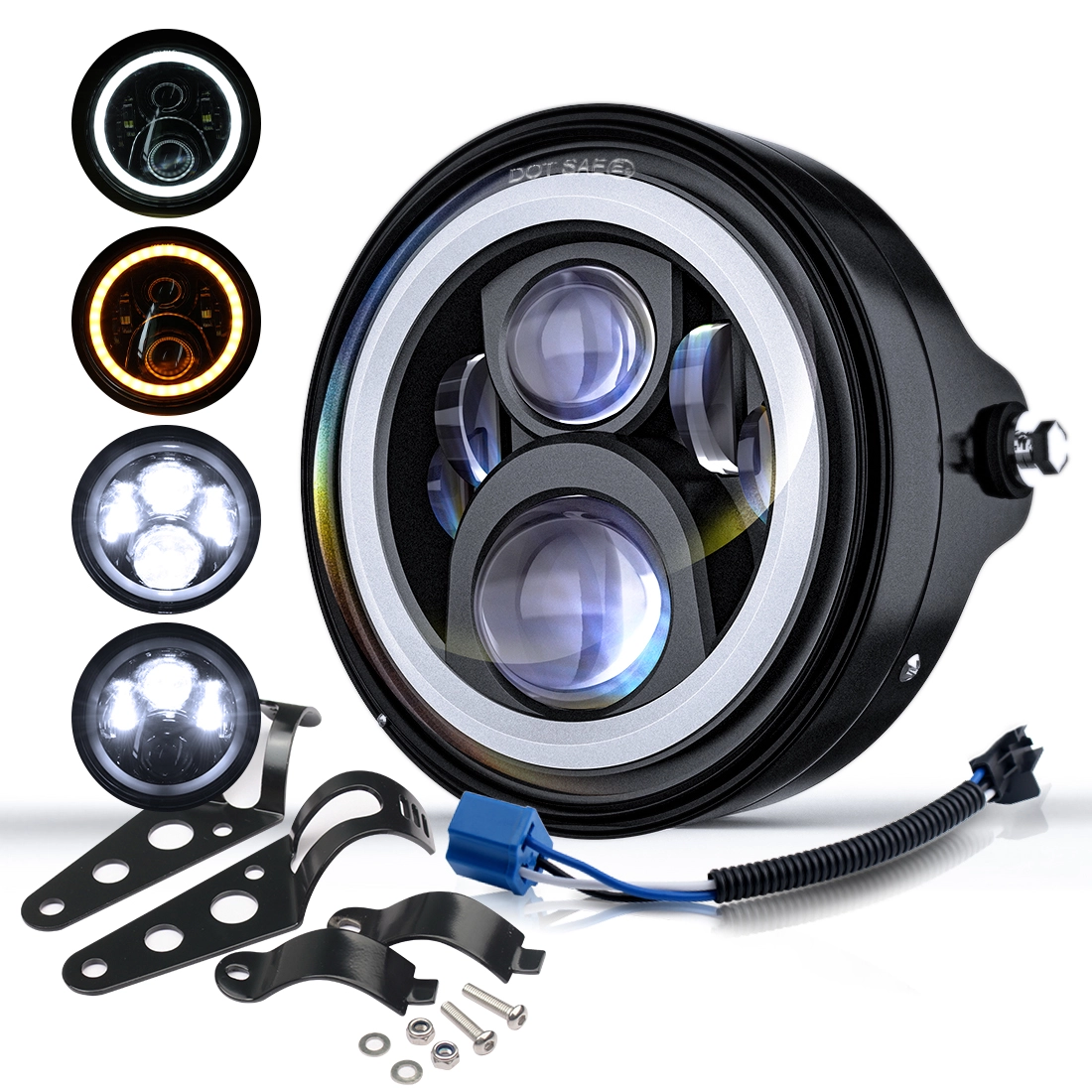
Motorcycle Led Headlight - Model C1H-WA
Bliauto Motorcycle Headlight - Model C1H-WA: High-quality LED design from leading brand manufacturers of motorcycle headlights. Precision Manufacturing Motorcycle Headlight ensures high visibility, durability, and easy fit for all riders.

Jump Starter - Model JS1
Bliauto JS1 Jump Starter – Reliable Power On-the-Go As a brand manufacturer & wholesale jump starter supplier, Bliauto delivers high-quality portable power solutions. The JS1 Jump Starter provides instant engine starts, USB charging, and durable performance—ideal for emergencies. Trusted by professionals, it’s compact, safe, and backed by expert engineering. Wholesale options are available—power up with Bliauto! Optimized for SEO with target keywords while maintaining clarity and brand authority. Let me know if you'd like refinements!
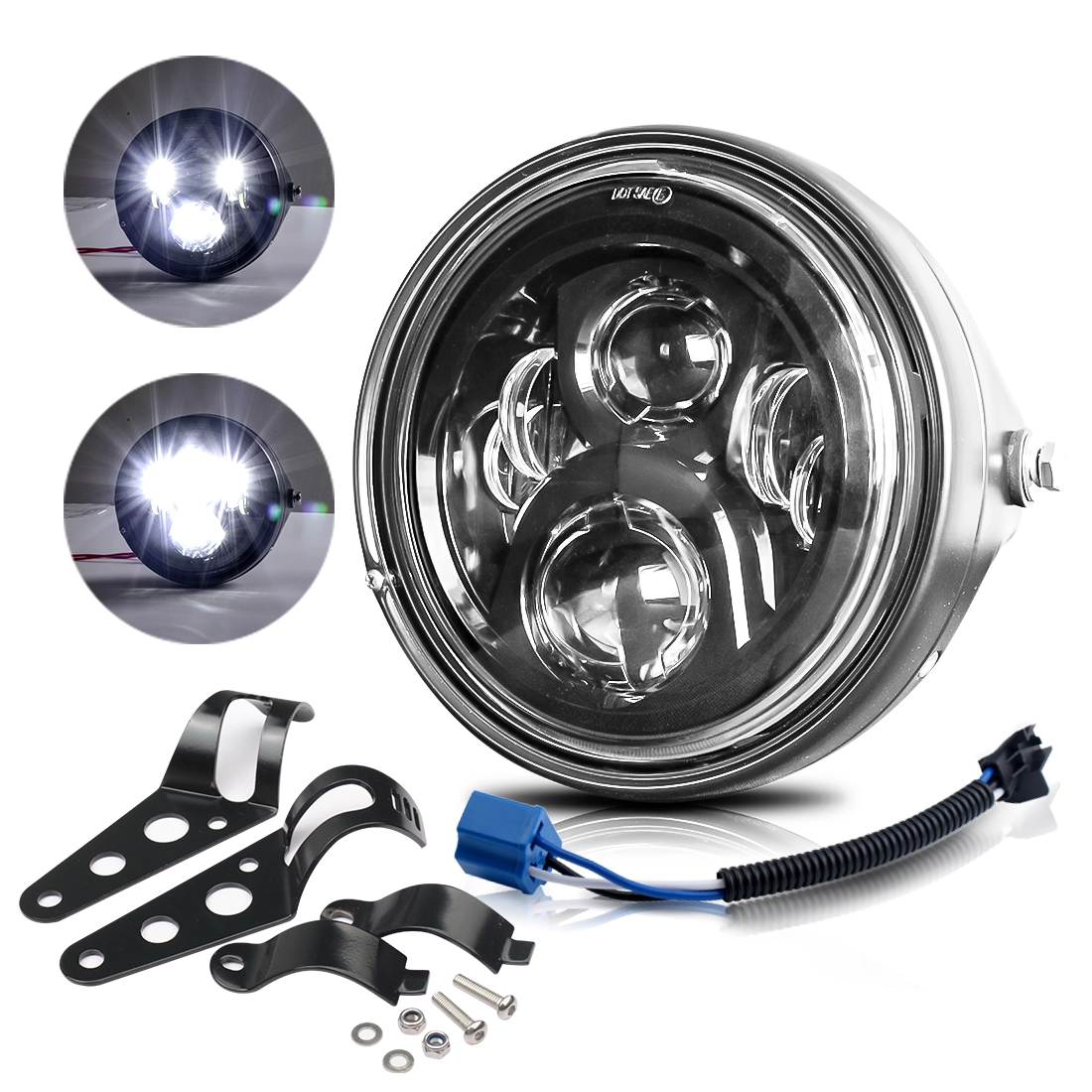
Motorcycle Led Headlight - Model C1H-HL
Bliauto Motorcycle Headlight - Model C1H-HL: High-quality brand motorcycle headlight with durable LEDs, easy installation, and high-beam performance. Trusted brand manufacturers motorcycle headlights for safety. Choose Manufacturing Motorcycle Headlight quality.
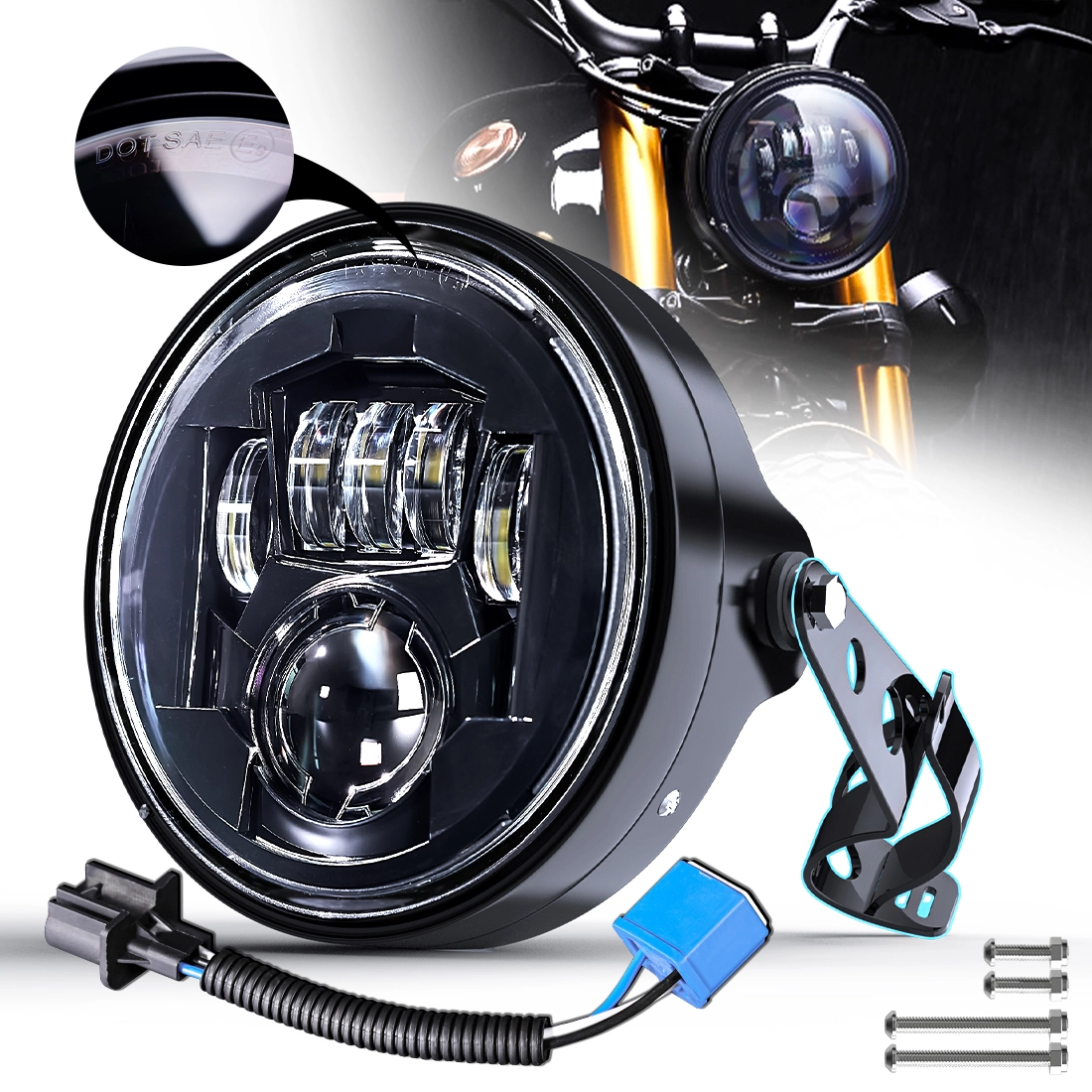
Motorcycle Led Headlight - Model C2H-HL
Bliauto Motorcycle Headlight - Model C2H-HL: high-brightness, energy-efficient LED beam for superior visibility and durability. Perfect for brand manufacturers of motorcycle LED headlights, manufacturing motorcycle LED headlights, and brand motorcycle LED headlight supply.
Your Trusted Partner for Customized Automotive LED Lighting Solutions
 info@bliauto.com
 +86 188 1184 6160
© 2025 Bliauto All Rights Reserved.
Bliauto
Bliauto Light
Bliauto
Bliauto Light
Bliauto
Whatsapp: +8618811846160