







Amber vs White Rock Lights: Which Is Better Off-Road?

- Choosing the Right Rock Lights for Off-Road Performance
- How amber rock lights work (and why color matters)
- White rock lights: advantages and trade-offs
- Direct comparison: amber vs white rock lights
- Visibility science: why amber can outperform white in particulate conditions
- Practical performance metrics and what to check when buying
- Installation considerations for off-road applications
- Legal and safety framework for off-road lighting
- Use-case decision matrix: which to choose?
- Performance data and product testing best practices
- Cost and procurement considerations for wholesalers and retailers
- Why many pros recommend amber rock lights for serious off-roading
- Bliauto: OEM/ODM lighting solutions and why they matter to buyers
- Bliauto strengths and product focus
- Frequently Asked Questions (FAQ)
- 1. Are amber rock lights legal for street use?
- 2. Do amber rock lights use less power than white LEDs?
- 3. Can I install switchable amber/white rock lights?
- 4. How should a distributor test rock lights before buying stock?
- 5. Which color improves safety when trail riding at slow speed?
- 6. Where can I buy OEM/ODM amber rock lights with private labeling?
- Contact and product next steps
- References
Choosing the Right Rock Lights for Off-Road Performance
When outfitting a truck, UTV, or Jeep for serious off-road use, the choice between amber rock lights and white rock lights matters more than many drivers realize. This guide focuses on practical, evidence-backed differences—including visibility in dust/fog, driver glare, color rendering, regulatory considerations and typical installation scenarios—so you can select rock lights that match your terrain, driving style and business needs.
How amber rock lights work (and why color matters)
Amber rock lights typically emit light in the ~580–600 nm range. From an optics perspective, longer visible wavelengths (amber to red) scatter less in particles and water droplets than shorter wavelengths (blue/green). That means amber light penetrates dust, sand and fog with less scattered backscatter than cool white LEDs, yielding better contrast on close obstacles under many off-road conditions. For commercial buyers and installers, the primary keyword to keep in mind is amber rock lights—they’re marketed for reduced glare and better dust penetration.
White rock lights: advantages and trade-offs
White rock lights (commonly 5000K–6500K for modern LEDs) provide higher perceived brightness and superior color rendering for identifying objects and colors at a distance or in open terrain. White LEDs typically use a blue pump LED with phosphor conversion, producing broad-spectrum light that increases contrast for many materials. The trade-off is increased backscatter in particulate environments and often higher perceived glare to drivers and bystanders.
Direct comparison: amber vs white rock lights
Below is a practical comparison table with attributes that matter to off-roaders, fleet buyers and distributors. The comparisons combine physics (scattering behavior), human factors (glare and contrast), and commercial considerations (legality, typical use-cases).
| Attribute | Amber Rock Lights | White Rock Lights |
|---|---|---|
| Typical wavelength / color temp | ~580–600 nm (no standard K rating; often labeled amber) | 5000K–6500K (broad-spectrum white; blue pump + phosphor) |
| Visibility in dust, sand, fog | Better penetration; less backscatter; improved near-field contrast | More backscatter; reduced near-field contrast in particulate conditions |
| Perceived brightness / long-range visibility | Lower apparent brightness at long range | Higher perceived brightness and longer visible range |
| Glare to drivers / oncoming vehicles | Lower glare; easier on human eyes in dust/fog | Higher glare potential, especially in wet/particulate air |
| Color rendering (CRI) | Poor for identifying colors (low CRI) | Better for color discrimination (higher CRI available) |
| Common off-road use cases | Trail riding in dust, rock crawling, close-in underbody illumination | Search/light-casting, campsite area lighting, detailed work |
| Regulatory and legal considerations | Often acceptable for underbody/off-road lights; amber is commonly legal as auxiliary lighting in many jurisdictions | White is commonly approved for forward lighting; may be regulated depending on placement and brightness |
Visibility science: why amber can outperform white in particulate conditions
The optical reason for amber’s advantage in dust and fog is scattering behavior. Shorter wavelengths (blue/green) scatter more strongly in small particles and droplets (Rayleigh and Mie scattering regimes), creating the visual fog/glare halo drivers experience with white LEDs. Amber’s longer wavelengths are less prone to this scattering, reducing the amount of light redirected toward the observer’s eyes and improving local contrast. For off-road drivers negotiating rocks and ruts at low speeds, that improved near-field contrast is often more valuable than peak lumen output.
Practical performance metrics and what to check when buying
Manufacturers and distributors should evaluate rock lights using measurable metrics—lumens, beam pattern, color/wavelength, IP rating, duty cycle, and thermal management. For amber rock lights especially, look for:
- Specified peak wavelength (nm) or clear amber labeling
- Beam pattern focusing for near-field illumination (flood vs spot)
- Durable housings (IP68/IP69K) and robust thermal paths—LED performance degrades quickly without cooling
- Low-profile mounts and wiring harnesses suitable for rock abrasion
Installation considerations for off-road applications
Mount location changes the functional role of rock lights. Under-axle and wheel-well amber rock lights excel at illuminating immediate obstacles without blinding the driver. White rock lights mounted forward (under bumper or as pods) are better when you need distance illumination. Key installation tips:
- Use amber for near-field accent/underbody tasks or when you frequently encounter dust/sand/fog.
- Use white for forward illumination where color discrimination matters (camp setup, repair work).
- Consider switchable or RGB systems if you need both; some setups allow an amber mode for trails and white mode for campwork.
Legal and safety framework for off-road lighting
Regulations vary by country and state. In the U.S., FMVSS 108 governs vehicle lighting for on-road use; off-road auxiliary lights (including underbody rock lights) are treated differently and local rules may limit color/placement. Amber is commonly accepted for auxiliary and marker lights, but you should verify local laws when selling or installing lighting systems to dual-use trucks.For distributors and retailers, explicitly stating compliance or intended off-road use reduces liability and aligns expectations for customers seeking amber rock lights.
Use-case decision matrix: which to choose?
Here are simplified recommendations based on environment and goals:
- If you regularly drive in dusty deserts, winter fog or sandy trails: choose amber rock lights for reduced backscatter and better close-range contrast.
- If you need usable color rendering and long-range illumination for night navigation or campsite tasks: choose high-CRI white rock lights or white auxiliary lights.
- If you want flexibility: install a mixed system or switchable LED pods so you can select amber mode for dusty trails and white for camp/repair work.
Performance data and product testing best practices
For distributors, private-label manufacturers and fleet buyers, objective testing is critical. Recommended tests include:
- Photometric testing (IES LM-79) for lumens, candela distribution and beam pattern
- Temperature and duty-cycle testing for thermal management and lumen maintenance (L70 hours)
- Ingress protection testing (IP68/IP69K) and salt-spray for corrosion resistance
- Field trials in representative environments: dust, sand, wet, mud and rock crawling
Cost and procurement considerations for wholesalers and retailers
The market for rock lights ranges from economy single-LED pods to multi-LED sealed modules with integrated controllers. When sourcing for resale or fleets, prioritize:
- Clear technical specifications (wavelength, lumens, IP rating)
- Warranty terms (at least 2 years for commercial use is preferred)
- Availability of OEM/ODM customization for private labeling
Why many pros recommend amber rock lights for serious off-roading
Experienced off-roaders and professional installers often prefer amber for trail lighting because it reduces the visual wash caused by particulate backscatter. This makes depth perception and obstacle edge detection easier at slow speeds. For safety-critical operations—search-and-rescue, agriculture at night, or mining access—amber can be a practical, risk-reducing choice for near-field illumination.
Bliauto: OEM/ODM lighting solutions and why they matter to buyers
Bliauto is a leading LED automotive manufacturer specializing in providing ODM and OEM custom solutions for LED lighting products. At Bliauto, we take pride in offering excellent private label, ODM, and OEM automotive lighting products and services. We cater to wholesale distributors, retailers, and business customers with confidence in our LED automotive product range, which includes superior off-road LED lights, LED light bars, LED driving lights, LED work lights for agricultural machinery, LED marine lights, LED searchlights, LED emergency warning lights, and much more. If you are ready to start an automotive lighting business, Bliauto is your best choice. From private labeling to custom packaging, we’re willing to make any necessary tweaks to meet your specific needs. Our vision is to become the world's leading automotive lighting manufacturer.
Bliauto strengths and product focus
Summary of Bliauto advantages and core products for buyers seeking rock lights and related lighting systems:
- Technical expertise in Headlights, Light Bars, Work Lights, Rock Lights, and Driving Lights—engineered for thermal management and longevity.
- OEM/ODM capability: custom optics, housing, colors (including amber), and private labeling to meet market differentiation needs.
- Full product portfolio for off-road and specialty markets—IP-rated designs, sealed connectors and validated beam patterns.
- Commercial readiness: wholesale quantities, packaging customization and supply-chain support.
Frequently Asked Questions (FAQ)
1. Are amber rock lights legal for street use?
Regulations vary. In many jurisdictions, amber auxiliary lighting is permitted for off-road use or as marker lights, but strict rules apply for on-road forward-facing lights. Check FMVSS 108 in the U.S. or your local vehicle code before installing forward-facing rock lights for street use.
2. Do amber rock lights use less power than white LEDs?
Power consumption depends on LED design rather than color. Amber LEDs can be efficient, but similar wattage white LEDs may appear brighter due to human eye sensitivity. Compare lumens-per-watt and thermal design when judging efficiency.
3. Can I install switchable amber/white rock lights?
Yes. Many modern LED modules or multi-LED fixtures support switchable modes (amber, white, or RGB). Switchable systems are popular for drivers who need both trail-friendly amber and color-accurate white for camp tasks.
4. How should a distributor test rock lights before buying stock?
Request LM-79 photometric reports, IP rating test certificates, thermal management data (L70 or mean lumen maintenance), and sample field tests. Confirm warranty and repair/replace policies for commercial resale.
5. Which color improves safety when trail riding at slow speed?
For slow-speed trail riding where close obstacle detection matters, amber often improves perceived safety by reducing backscatter and glare—helping the driver see rock edges, ruts and debris more clearly.
6. Where can I buy OEM/ODM amber rock lights with private labeling?
Bliauto provides OEM/ODM capabilities for rock lights, headlight assemblies, light bars and more. Visit https://www.bliauto.com/ to explore private label options, customization and wholesale pricing.
Contact and product next steps
If you’re comparing amber rock lights and white rock lights for a fleet, retail catalog or private-label program, request technical data sheets and sample units. For OEM/ODM support, product customization or wholesale inquiries, visit Bliauto at https://www.bliauto.com/ or contact their sales team through the website to start a quotation and sample process.
References
- NHTSA — Federal Motor Vehicle Safety Standard (FMVSS) No. 108: Lamps, reflective devices, and associated equipment. https://www.nhtsa.gov/vehicle-manufacturers/compliance-federal-motor-vehicle-safety-standards (accessed 2025-11-30)
- Noaa JetStream — Scattering of light and why the sky is blue. https://www.weather.gov/jetstream/scattering (accessed 2025-11-30)
- IES (Illuminating Engineering Society) — LM-79/LM-80 testing guides for LED photometric and lumen maintenance testing. https://www.ies.org/standards/ (accessed 2025-11-30)
- Bliauto official website — company product portfolio and OEM/ODM services. https://www.bliauto.com/ (accessed 2025-11-30)
Top 10 LED Rock Lights for Tractors - Illuminate Your Ride | Bliauto
Top waterproof led light bar Manufacturers and Suppliers in China
Where to Buy led light bar for atv in China
Best LED Rock Lights for Off-Roading: Top Picks and Reviews
Dealers
What discounts can I enjoy as a distributor?
Distributors will enjoy exclusive wholesale prices and additional discounts based on order volume. We also provide special incentives based on market performance.
What are the eligibility requirements to become a distributor?
We welcome applications from businesses of all sizes. We will evaluate based on the market demand, sales capabilities, and business background in your region.
Is there any fee to become a distributor?
There may be initial costs associated with setup and training, but these details will be listed in the distributor agreement. Our goal is to ensure that the cooperation is beneficial to both parties.
FAQ
How can I request after-sales support?
To request after-sales support, please contact our customer service team via email or phone. Provide your order number, a description of the issue, and any relevant photos, and we will assist you promptly.
What services do you offer?
We offer custom design, manufacturing, and engineering services for LED lighting solutions, tailored to meet the specific requirements of our clients.
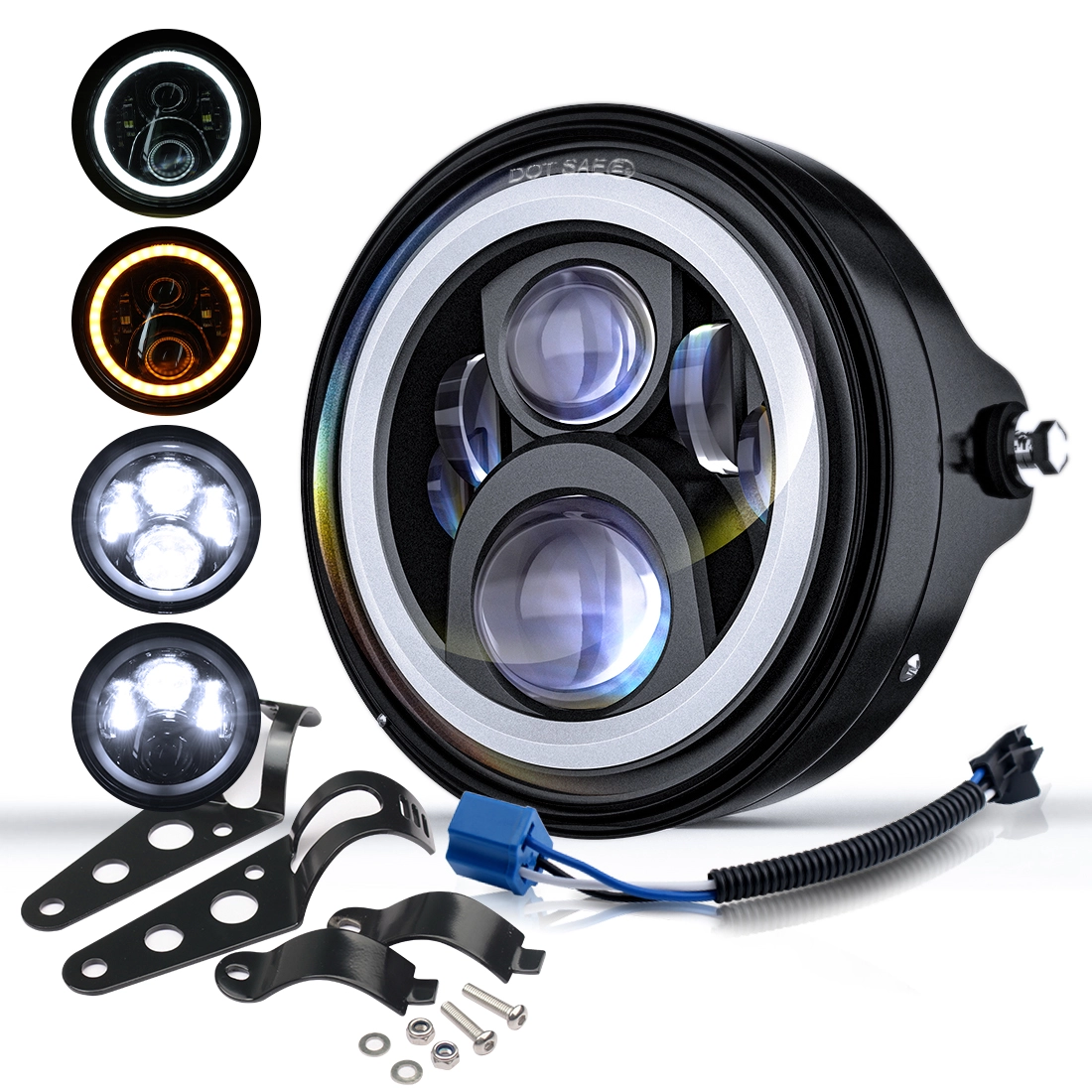
Motorcycle Led Headlight - Model C1H-WA
Bliauto Motorcycle Headlight - Model C1H-WA: High-quality LED design from leading brand manufacturers of motorcycle headlights. Precision Manufacturing Motorcycle Headlight ensures high visibility, durability, and easy fit for all riders.

Jump Starter - Model JS1
Bliauto JS1 Jump Starter – Reliable Power On-the-Go As a brand manufacturer & wholesale jump starter supplier, Bliauto delivers high-quality portable power solutions. The JS1 Jump Starter provides instant engine starts, USB charging, and durable performance—ideal for emergencies. Trusted by professionals, it’s compact, safe, and backed by expert engineering. Wholesale options are available—power up with Bliauto! Optimized for SEO with target keywords while maintaining clarity and brand authority. Let me know if you'd like refinements!
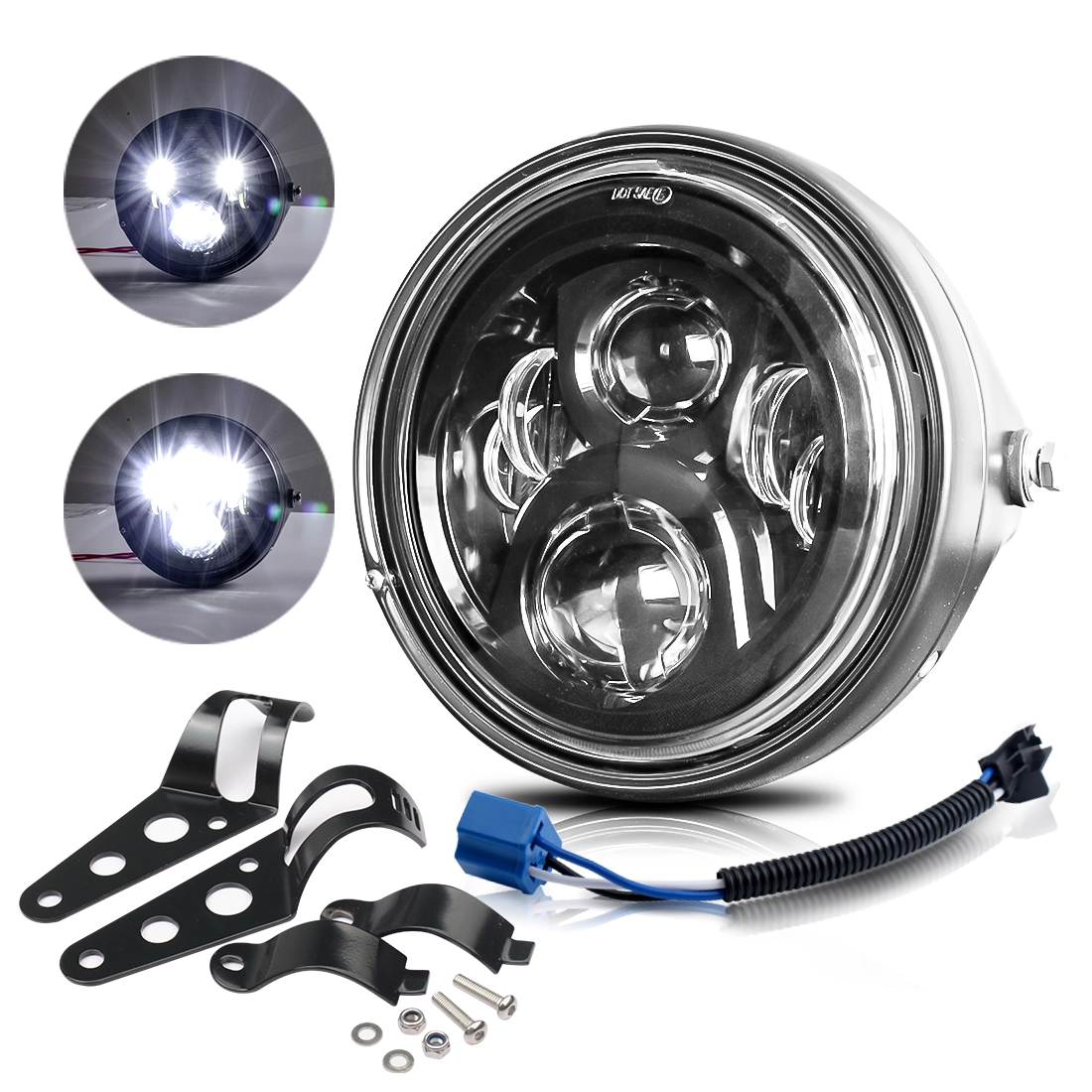
Motorcycle Led Headlight - Model C1H-HL
Bliauto Motorcycle Headlight - Model C1H-HL: High-quality brand motorcycle headlight with durable LEDs, easy installation, and high-beam performance. Trusted brand manufacturers motorcycle headlights for safety. Choose Manufacturing Motorcycle Headlight quality.
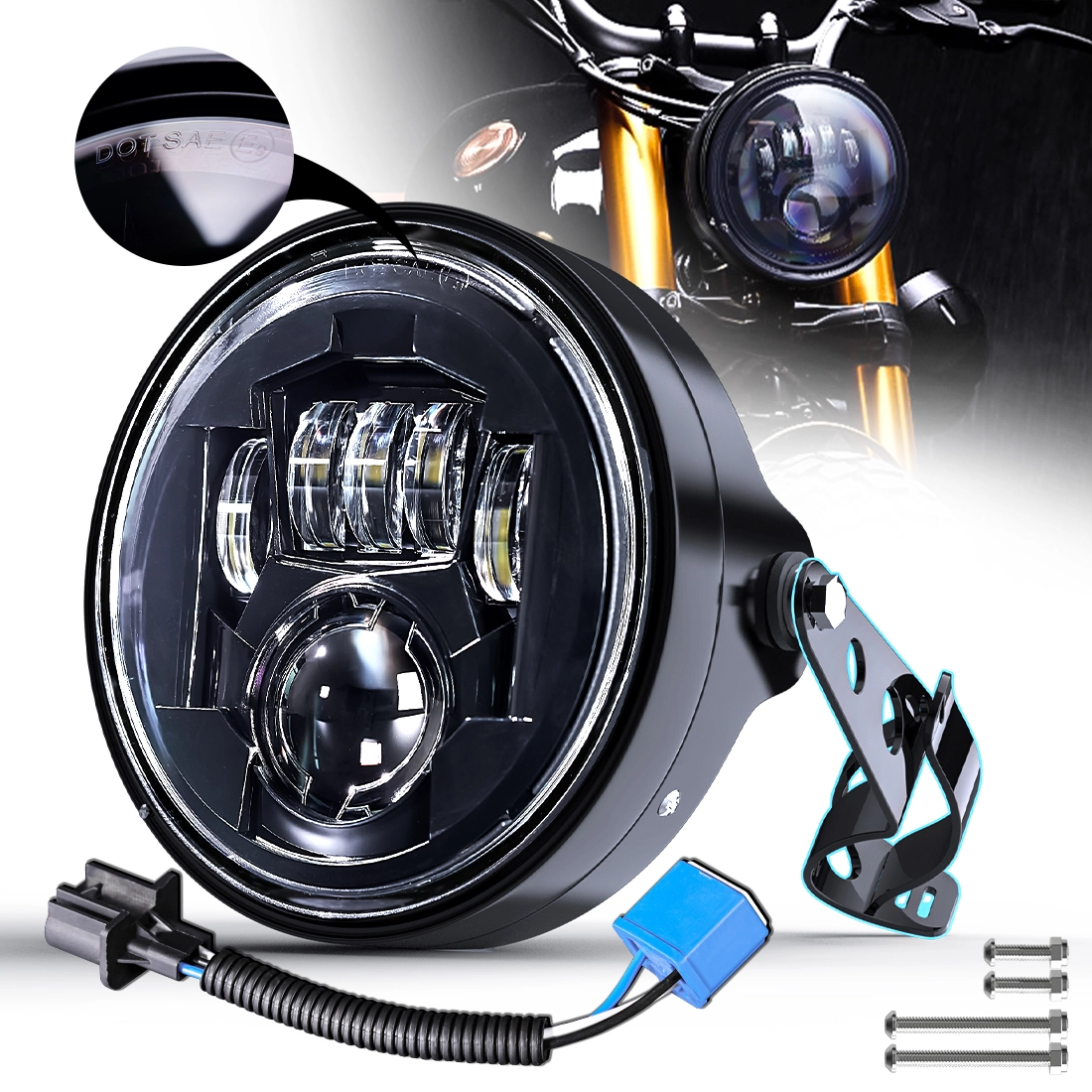
Motorcycle Led Headlight - Model C2H-HL
Bliauto Motorcycle Headlight - Model C2H-HL: high-brightness, energy-efficient LED beam for superior visibility and durability. Perfect for brand manufacturers of motorcycle LED headlights, manufacturing motorcycle LED headlights, and brand motorcycle LED headlight supply.
Your Trusted Partner for Customized Automotive LED Lighting Solutions
 info@bliauto.com
 +86 188 1184 6160
© 2025 Bliauto All Rights Reserved.
Bliauto
Bliauto Light
Bliauto
Bliauto Light
Bliauto
Whatsapp: +8618811846160