







Best Practices: How to Install Waterproof Rock Lights Properly

- Why proper installation matters for rock lights
- Understand your objective and the keyword: how to install rock lights
- Choose the right rock lights and waterproof rating
- IP ratings and suitability for how to install rock lights
- Plan wiring routes and power requirements
- Calculate current draw and choose wire gauge
- Mounting techniques: how to install rock lights securely
- Best practices for mechanical mounting
- Sealing techniques to keep rock lights waterproof
- Recommended sealants and methods for how to install rock lights
- Electrical connections and controller integration
- Relay and fuse wiring diagram for how to install rock lights
- Routing and protecting cables
- Fastening and strain relief
- Testing, commissioning, and verifying waterproofing
- Checklist before final assembly
- Troubleshooting common issues when installing rock lights
- Flicker/dimming diagnosis for how to install rock lights
- Materials, tools, and parts checklist
- Vendor selection: choosing quality rock lights and suppliers
- Bliauto — an experienced partner for automotive LED lighting
- Bliauto advantages and main products related to rock lights
- Safety and legal considerations
- Best practices for long-term reliability
- Frequently Asked Questions (FAQs)
- 1. Do rock lights need to be waterproof?
- 2. What wire gauge should I use for rock lights?
- 3. Can I use silicone to seal rock lights?
- 4. Can I install rock lights myself or should I hire a pro?
- 5. How do I prevent fogging inside rock light housings?
- 6. Are there special considerations for marine use?
- Contact and product consultation
- References
Why proper installation matters for rock lights
Rock lights add dramatic underbody and accent illumination to off-road vehicles, trucks, and boats, but improper installation can lead to water ingress, short circuits, and premature LED failure. This guide explains step-by-step how to install rock lights the right way — focusing on waterproofing, electrical safety, and long-term reliability — so you get consistent performance and minimize maintenance.
Understand your objective and the keyword: how to install rock lights
Before buying parts or drilling holes, define the use case: under-vehicle accent lighting, wheel well illumination, or rock crawling visibility. Each application has different exposure to water, impact, and heat, which determines mounting choices, ingress protection (IP) rating, and wiring strategy. When readers search how to install rock lights, they want practical steps, component lists, and waterproofing techniques — that’s what this article delivers.
Choose the right rock lights and waterproof rating
Selection is the first technical step. Choose LED rock lights that explicitly list an IP rating (Ingress Protection). For off-road and wheel-well installations, target IP67 or higher: IP67 protects against temporary submersion (1 m/30 min) and IP68 covers continuous immersion under defined conditions. Confirm manufacturer testing and warranty conditions.
IP ratings and suitability for how to install rock lights
Different installation locations require different IP levels. Use the table below to match IP ratings to common rock light applications.
| IP Rating | Protection | Recommended Applications |
|---|---|---|
| IP65 | Dust-tight, water jets | Protected underbody areas, covered wheel wells |
| IP67 | Temporary immersion | Open wheel wells, occasional deep water crossings |
| IP68 | Continuous immersion (manufacturer-specified) | Boats, consistently wet environments, deep water exposure |
Source verification: check manufacturer datasheets for IP test methods and the conditions used for certification — IP codes are defined by IEC 60529 (see references).
Plan wiring routes and power requirements
Careful routing prevents chafing, water pooling, and heat build-up. When figuring how to install rock lights, plan: power source (fused circuit or accessory bus), switch or controller location, relay usage, and wire gauge to handle the current with minimal voltage drop.
Calculate current draw and choose wire gauge
Sum the current draw of all rock lights. Example: eight 3W LEDs at 12V = (8 × 3W) / 12V = 2 A. Include controllers and any RGB drivers. Use a wire gauge chart to size conductors so voltage drop stays under ~3% for long runs. The table below shows typical automotive wire gauge guidance.
| Current (A) | Recommended Wire Gauge (AWG) | Notes |
|---|---|---|
| 0–5 A | 18–16 AWG | Short runs, small LED strips |
| 5–10 A | 16–14 AWG | Up to several rock lights or controllers |
| 10–20 A | 14–12 AWG | Multiple lights or long runs |
| 20–40 A | 10–8 AWG | High-power controllers, long power feeds |
Always fuse the feed near the battery and use an appropriate automotive relay for switching to protect low-current switches and for reliable operation under vibration and heat.
Mounting techniques: how to install rock lights securely
Choose mounting methods that protect the light from debris and water. Common methods: bolt-on brackets, flush-mount housings, and adhesive mounts. Bolts are preferred for high-impact areas; adhesives can be used on smooth, clean surfaces but often require mechanical backup for longevity.
Best practices for mechanical mounting
When drilling, use a corrosion-resistant fastener (stainless steel or coated hardware). Apply a threadlocker or marine-grade sealant beneath the head and around the hole to prevent water ingress. Use rubber grommets where wiring passes through metal to prevent chafing and ensure a tight fit.
Sealing techniques to keep rock lights waterproof
Sealing is the most critical step in waterproofing. Proper sealing prevents water vapor entry, which is a common cause of LED dimming or failure. Follow manufacturer instructions for gasket, potting, and entry-point sealing.
Recommended sealants and methods for how to install rock lights
Use one or more of these methods depending on exposure level:
- OEM gaskets and o-rings: ensure they are seated correctly and free of debris.
- Silicone RTV or marine sealant (100% silicone or polysulfide): apply a continuous bead around mounting flange and cable entry.
- Heat-shrink tubing with adhesive-lined (dual wall) for cable splices to add strain relief and sealing.
- Potting or epoxy: used by manufacturers; not typically applied in the field unless replacing housings.
When sealing connectors, use sealed automotive-grade connectors (Deutsch, IP67/68-rated) rather than generic butt connectors. Use dielectric grease on mating surfaces to prevent corrosion and reduce moisture entry.
Electrical connections and controller integration
Integrating switches and controllers properly ensures user-friendly operation and prevents electrical faults. When installing rock lights, include a relay and fuse, and mount the controller in a dry, ventilated location.
Relay and fuse wiring diagram for how to install rock lights
Typical wiring sequence: Battery (+) → Inline fuse (at battery) → Heavy-gauge wire → Relay common terminal → Relay output to rock lights → Rock light positive. Rock light negatives should be tied to chassis ground at a single point or returned to battery negative for critical systems. The relay coil is switched by a dash switch or wireless controller signal, and the relay coil negative should be grounded properly.
Routing and protecting cables
Route cables along factory harnesses where possible, using grommets when passing through firewalls or metal panels. Avoid areas with high heat (exhaust), moving parts (suspension), and pinch points. Protect cables with convoluted split loom, loom tape, or protective nylon sleeves for abrasion resistance.
Fastening and strain relief
Use P-clips, zip ties (with edge protection), and adhesive-backed mounts to secure runs. Provide strain relief within 4–6 inches of each light housing using a clamp or cable tie to prevent tugging on wire leads during operation or off-road travel.
Testing, commissioning, and verifying waterproofing
After installation, test electrical function and verify seals. Power the circuit, operate every lighting mode (on/off/RGB cycles), and measure voltage at the furthest light to ensure acceptable voltage drop. Then perform a water test: spray with a pressure washer at safe distance or use a hose to check for leaks (do not submerge unless lights are explicitly rated for immersion).
Checklist before final assembly
- Verify fuse rating and relay operation.
- Confirm connectors are sealed and lubricated with dielectric grease.
- Inspect seals and re-torque fasteners after initial use (first 100 miles or first week).
- Document wire routing and sticker-fuse location for future service.
Troubleshooting common issues when installing rock lights
Common problems include flicker, dimming, water in housings, and connector corrosion. Systematic troubleshooting reduces replacement costs:
Flicker/dimming diagnosis for how to install rock lights
Check battery voltage under load, verify ground continuity, inspect connectors for corrosion or loose pins, and ensure the controller is compatible with the LED load (some PWM controllers produce visible flicker on low brightness settings).
Materials, tools, and parts checklist
For a reliable waterproof installation, assemble the right tools and materials. Here’s a practical list every installer should have when learning how to install rock lights:
- Drill with step bits and metal-cutting bits
- Stainless fasteners, washers, lock washers
- Automotive-grade silicone or marine sealant
- Heat-shrink tubing (adhesive-lined) and soldering iron or high-quality crimp tool
- Relay, inline fuse holder, and appropriately sized fuse
- Deutsch or IP-rated sealed connectors
- P-clips, split loom, electrical tape, dielectric grease
Vendor selection: choosing quality rock lights and suppliers
Buy LEDs from reputable manufacturers who provide datasheets, IP test reports, and warranty. Cheap imports may save money upfront but often lack proper potting, gasketing, and thermal design — leading to failures. When evaluating suppliers, request IP test certificates and sample installations or case studies.
Bliauto — an experienced partner for automotive LED lighting
Bliauto is a leading LED automotive manufacturer specializing in providing ODM (Original Design Manufacturer) and OEM (Original Equipment Manufacturer) custom solutions for LED lighting products. At Bliauto, we take pride in offering excellent private label, ODM, and OEM automotive lighting products and services. We cater to wholesale distributors, retailers, and business customers with confidence in our LED automotive product range, which includes superior off-road LED lights, LED light bars, LED driving lights, LED work lights for agricultural machinery, LED marine lights, LED searchlights, LED emergency warning lights, and much more. If you are ready to start an automotive lighting business, Bliauto is your best choice. From private labeling to custom packaging, we’re willing to make any necessary tweaks to meet your specific needs. Our vision is to become the world's leading automotive lighting manufacturer. Visit https://www.bliauto.com/ to learn more.
Bliauto advantages and main products related to rock lights
Bliauto's competitive strengths include engineering capability for thermal management, IP-rated housings, and flexible OEM/ODM services. Their core products relevant to rock lights include: Headlights, Light Bars, Work Lights, Rock Lights, Driving Lights. These product lines underscore Bliauto’s technical depth and manufacturing scale, making them suitable for wholesale, private label, and bespoke solutions.
Safety and legal considerations
Check local regulations for auxiliary lighting use on public roads. Some jurisdictions limit color, intensity, or placement of underbody lights. For marine installations, adhere to marine electrical codes and consider corrosion-resistant materials and sacrificial anodes where appropriate.
Best practices for long-term reliability
Schedule inspection intervals (every 6–12 months) to check seals, fastener torque, and connector condition. Replace degraded sealants and retorque hardware. Documenting your installation by taking photos of routing and fuse placement simplifies future troubleshooting or warranty claims.
Frequently Asked Questions (FAQs)
1. Do rock lights need to be waterproof?
Yes — if exposed to rain, mud, or submersion. Choose at least IP67 for wheel well and open underbody installs; IP68 for continuous immersion (verify manufacturer specs).
2. What wire gauge should I use for rock lights?
It depends on current draw and run length. Typical small rock light installations (2–8 amps) use 16–14 AWG for short runs; larger installs may need 12–10 AWG. Always calculate total current and account for voltage drop.
3. Can I use silicone to seal rock lights?
Yes. Use automotive or marine-grade 100% silicone or polysulfide sealant around mounting flanges and cable entries. For connectors, use adhesive-lined heat shrink and dielectric grease for extra protection.
4. Can I install rock lights myself or should I hire a pro?
DIY is feasible for owners with basic electrical and mechanical skills. Hire a professional if you are uncomfortable with drilling into structural components, working near fuel lines, or wiring high-current circuits.
5. How do I prevent fogging inside rock light housings?
Proper sealing, good thermal design, and desiccant packs during assembly help. Fogging often results from moisture ingress or condensation due to temperature cycling; verify IP seals and use venting solutions when appropriate.
6. Are there special considerations for marine use?
Yes — use marine-rated materials, reinforced seals, and corrosion-resistant fasteners. Choose lights tested for continuous immersion if they will be below the waterline or consistently wet.
Contact and product consultation
If you need custom rock light solutions, private labeling, or OEM/ODM services, contact Bliauto for engineering support and product options. Visit https://www.bliauto.com/ or reach out to their sales team to discuss product specifications, packaging, and bulk pricing. For technical consultation about how to install rock lights on your vehicle or fleet, consider sharing photos and usage details before purchase to ensure the correct IP rating, mounting style, and wiring approach.
References
- IEC 60529 — Degrees of protection provided by enclosures (IP Code) / IP Code explanation, Wikipedia. https://en.wikipedia.org/wiki/IP_Code (accessed 2025-11-30)
- DOE — LED Basics, U.S. Department of Energy — Solid-State Lighting. https://www.energy.gov/eere/ssl/led-basics (accessed 2025-11-30)
- 3M — Marine Sealants and Adhesives product information. https://www.3m.com/3M/en_US/company-us/all-3m-products/~/All-3M-Products/ (accessed 2025-11-30)
- Battery University — Practical battery calculations and basics. https://batteryuniversity.com/ (accessed 2025-11-30)
- Deutsch Connectors — Sealed automotive connector specifications. https://www.te.com/usa-en/products/connectors/sealed-connectors. (accessed 2025-11-30)
How to Install Rock Lights: Step-by-Step Truck Guide
Budget vs Premium LED Motorcycle Headlights: Is It Worth It?
LED Retrofit Bulbs for Custom Motorcycle Headlights: Pros and Cons
The led fog lights for trucks Cost Guide
FAQ
What is the difference between ODM and OEM services?
OEM (Original Equipment Manufacturer) services involve producing products based on the customer’s existing design, while ODM (Original Design Manufacturer) services include creating new designs according to customer specifications.
What products does Guangzhou Jiabao Electronic Technology Co., Ltd. specialize in?
We specialize in providing ODM/OEM customized solutions for LED lighting systems for transportation vehicles, including cars, motorcycles, and trucks.
What is the warranty period for your products?
We offer a warranty period of 12 months from the date of purchase for our LED lights and other products. During this period, we will repair or replace any defective items free of charge.
Dealers
How do I apply to become your distributor?
You can apply by filling in the distributor application form on our website. After submitting your application, our team will contact you to discuss further details.
What discounts can I enjoy as a distributor?
Distributors will enjoy exclusive wholesale prices and additional discounts based on order volume. We also provide special incentives based on market performance.
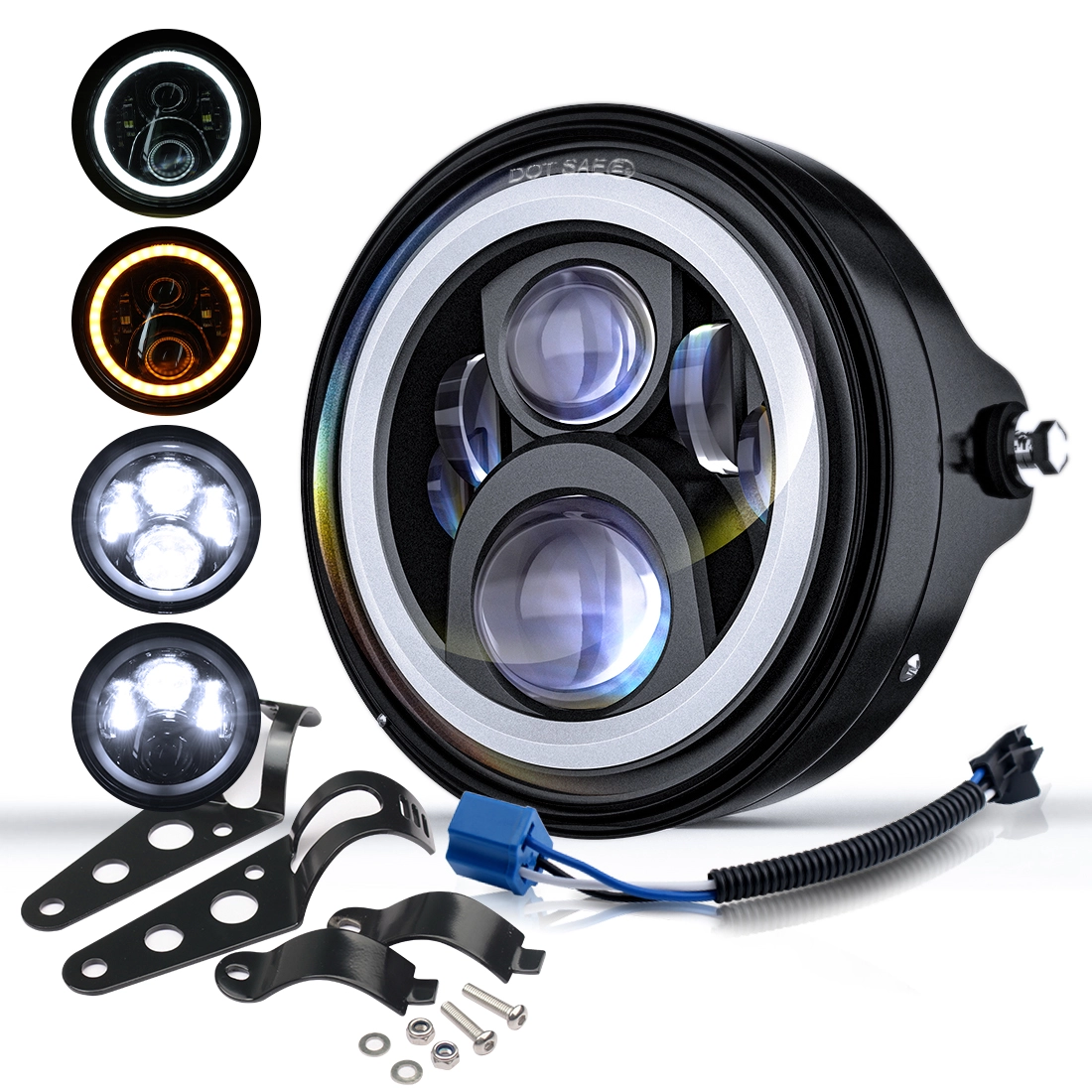
Motorcycle Led Headlight - Model C1H-WA
Bliauto Motorcycle Headlight - Model C1H-WA: High-quality LED design from leading brand manufacturers of motorcycle headlights. Precision Manufacturing Motorcycle Headlight ensures high visibility, durability, and easy fit for all riders.

Jump Starter - Model JS1
Bliauto JS1 Jump Starter – Reliable Power On-the-Go As a brand manufacturer & wholesale jump starter supplier, Bliauto delivers high-quality portable power solutions. The JS1 Jump Starter provides instant engine starts, USB charging, and durable performance—ideal for emergencies. Trusted by professionals, it’s compact, safe, and backed by expert engineering. Wholesale options are available—power up with Bliauto! Optimized for SEO with target keywords while maintaining clarity and brand authority. Let me know if you'd like refinements!
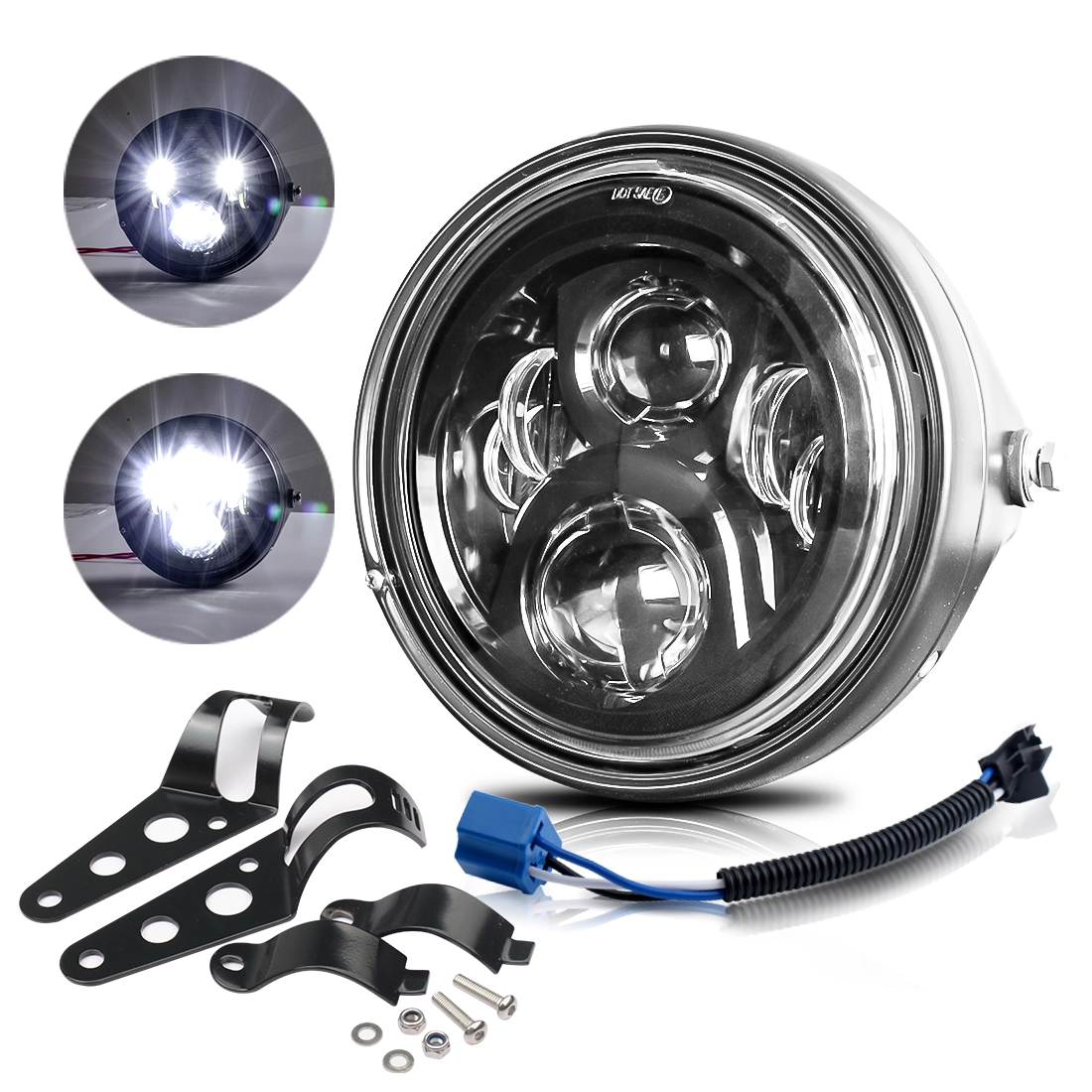
Motorcycle Led Headlight - Model C1H-HL
Bliauto Motorcycle Headlight - Model C1H-HL: High-quality brand motorcycle headlight with durable LEDs, easy installation, and high-beam performance. Trusted brand manufacturers motorcycle headlights for safety. Choose Manufacturing Motorcycle Headlight quality.
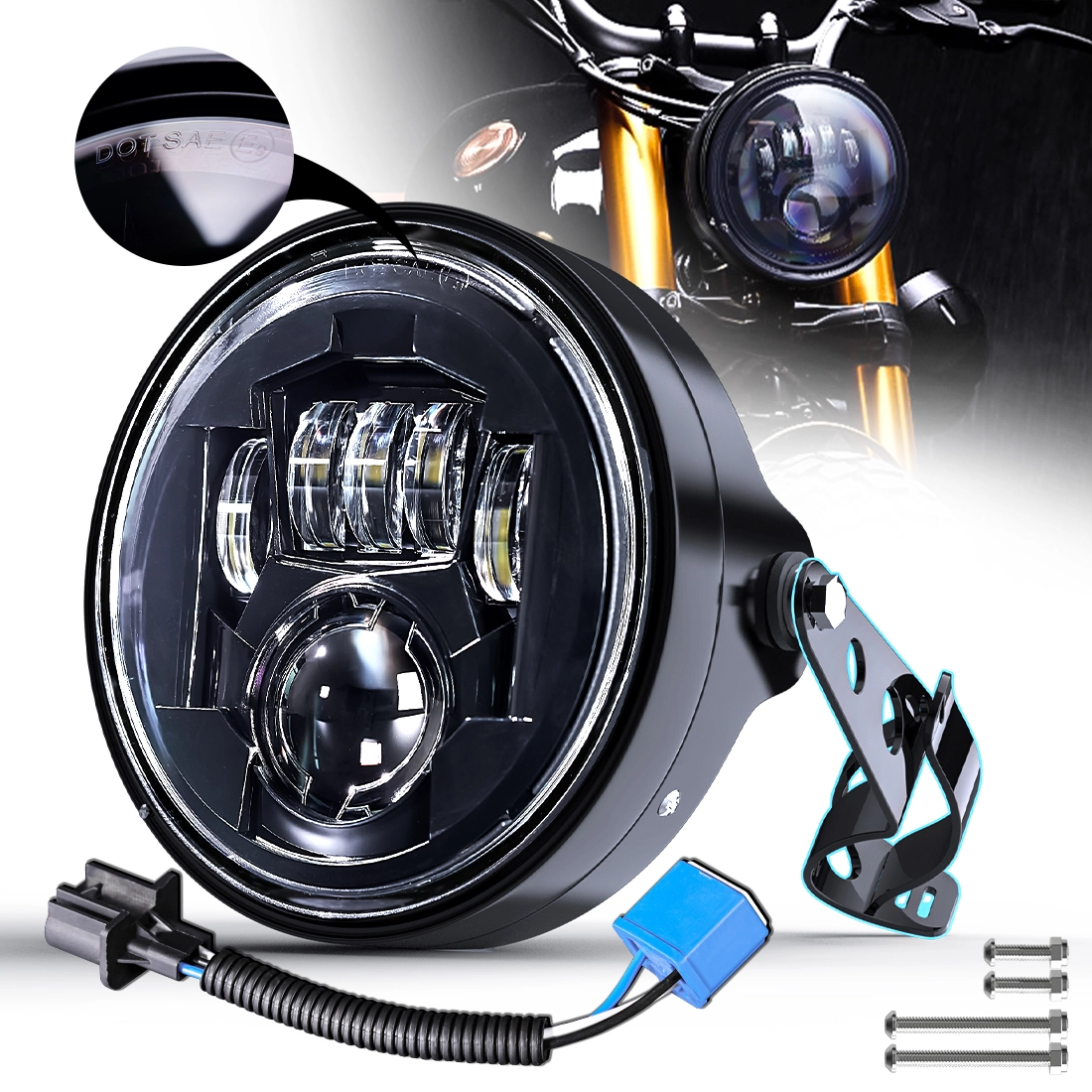
Motorcycle Led Headlight - Model C2H-HL
Bliauto Motorcycle Headlight - Model C2H-HL: high-brightness, energy-efficient LED beam for superior visibility and durability. Perfect for brand manufacturers of motorcycle LED headlights, manufacturing motorcycle LED headlights, and brand motorcycle LED headlight supply.
Your Trusted Partner for Customized Automotive LED Lighting Solutions
 info@bliauto.com
 +86 188 1184 6160
© 2025 Bliauto All Rights Reserved.
Bliauto
Bliauto Light
Bliauto
Bliauto Light
Bliauto
Whatsapp: +8618811846160