







Best Locations to Install Rock Lights on Your Truck

- Truck Rock Light Placement: A Practical Guide
- Why placement matters: illumination, protection and purpose (where to install rock lights)
- General mounting principles and terminology (where to install rock lights)
- Under-front bumper and lower chassis: use-case and installation notes (where to install rock lights)
- Wheel wells and inner arches: the most common placement (where to install rock lights)
- Rocker panels and under-doors: side-spotting and visibility (where to install rock lights)
- Truck bed and cargo area mount options (where to install rock lights)
- Running boards, steps and bumper faces: illumination meets convenience (where to install rock lights)
- Comparison table: pros and cons of common mounting locations
- Wiring and electrical best practices (where to install rock lights)
- Protection, sealing and mounting hardware (where to install rock lights)
- Legal and safety considerations (where to install rock lights)
- Maintenance and troubleshooting tips (where to install rock lights)
- Placement examples by truck type and intended use (where to install rock lights)
- Product selection: brightness, color temperature and beam pattern (where to install rock lights)
- Bliauto OEM/ODM capabilities and how they fit your lighting needs
- Why choose a specialist OEM/ODM partner like Bliauto?
- Final checklist before installation (where to install rock lights)
- Frequently Asked Questions (FAQs)
- 1. Where is the best place to install rock lights for off-road rock crawling?
- 2. Can I wire rock lights to the reverse light circuit?
- 3. Are rock lights legal to use on public roads?
- 4. What IP rating should rock lights have for wheel well installation?
- 5. How do I prevent rock lights from being damaged by rocks and debris?
- 6. Should I use warm or cool white rock lights?
- Contact & product inquiry CTA
- References
Truck Rock Light Placement: A Practical Guide
Rock lights are one of the most popular aftermarket upgrades for trucks, providing improved ground illumination for off-road driving, better visibility for wheel checks at night, and a strong visual statement. When deciding where to install rock lights, the primary questions are: where to install rock lights for best illumination, how to protect them from damage and water, and how to wire them safely and legally. This guide walks through the most effective mounting locations, trade-offs, wiring and protection best practices, and compliance considerations so you can make a confident installation decision.
Why placement matters: illumination, protection and purpose (where to install rock lights)
Choosing where to install rock lights on your truck affects three things: the quality of illumination, the lights' survivability in harsh conditions, and how useful they are for your specific needs (rock crawling, trail running, show truck). For example, lights mounted deep inside a wheel well focus on tire and suspension visibility; lights under the rocker panels light the ground beside the truck for side-obstacle spotting; while lights under the front bumper better illuminate obstacles ahead. Understand your primary use-case before deciding where to install rock lights.
General mounting principles and terminology (where to install rock lights)
Before selecting locations, keep these principles in mind: choose locations that maximize target illumination while minimizing direct exposure to impacts; mount to structural parts of the truck (frame, crossmembers, skid plates) rather than sheet metal where possible; maintain reasonable wiring runs and secure cable routing to avoid abrasion; protect electrical connections with sealed connectors and fuses. Also verify the lights’ IP rating (IP67/IP68 preferred) and shock/vibration ratings for off-road use.
Under-front bumper and lower chassis: use-case and installation notes (where to install rock lights)
Mounting rock lights under the front bumper or on lower chassis crossmembers provides excellent forward and near-ground illumination for spotting rocks and ruts when approaching obstacles. Pros: direct line-of-sight to obstacles, good for rock crawling. Cons: more susceptible to frontal impacts, road spray, and requires careful placement to avoid reducing ground clearance. Recommended mounting: recessed brackets on the chassis crossmember or behind a small skid plate for protection. Use anti-sway bar clearances and check steering travel before finalizing location.
Wheel wells and inner arches: the most common placement (where to install rock lights)
Wheel wells are the single most common place owners ask where to install rock lights. Inside the wheel arch facing outward and down, rock lights illuminate the tire and immediate ground, making it easier to see obstacles while articulated on trails. Benefits: protected by wheel well structure, direct illumination of suspension and tire. Drawbacks: heavy mud/stone impact, may require more frequent cleaning and maintenance. Use high-IP-rated fixtures and mount near structural flanges with vibration-resistant fasteners.
Rocker panels and under-doors: side-spotting and visibility (where to install rock lights)
Installing rock lights under the rocker panels (beneath running boards or along the pinch seam) is ideal for side-spotting when navigating tight trail passages or when you need to see obstacles near the truck’s sides. This placement improves safety for entering/exiting at night and aids in lane-side visibility when off-road. Be careful to maintain clearance from rocks and roots, and avoid locations where mud will continuously coat the lens.
Truck bed and cargo area mount options (where to install rock lights)
Rock lights in the bed are excellent for utility and show purposes. Mount them under the bed rails, inside wheel wells, or under a tonneau cover to light cargo and assist with bed work at night. If used for reverse illumination, consider integrating with the reverse switch circuit and using separate waterproof housings. For permanent fixtures, mount to the bed rails or tailgate area using stainless hardware to resist corrosion.
Running boards, steps and bumper faces: illumination meets convenience (where to install rock lights)
Steps and running boards are convenient places to add rock lights for safe ingress/egress and enhanced side visibility near curbs and trail obstacles. Small puck-style rock lights work best here. Because these locations are subject to impact and abrasion from footwear and road debris, choose flush-mount fixtures and use protective bezels or guards.
Comparison table: pros and cons of common mounting locations
| Location | Primary benefit | Protection level | Wiring complexity | Best use |
|---|---|---|---|---|
| Front bumper / lower chassis | Forward obstacle illumination | Low–moderate (exposed) | Moderate | Rock crawling, approach spotting |
| Wheel wells / inner arches | Tire & suspension visibility | High (protected by well) | Moderate | Trail articulation, tire checks |
| Rocker panels / under doors | Side obstacle spotting | Moderate (exposed to lateral hits) | Moderate–high | Tight trail passages, curb avoidance |
| Bed / cargo area | Utility and cargo lighting | Moderate | Low–moderate | Work lighting, reversing aid |
| Running boards / steps | Ingress/egress safety | Low–moderate (kick/abrasion) | Low | Practical lighting for passengers |
Wiring and electrical best practices (where to install rock lights)
Proper wiring is critical. Use a fused relay harness rated for the total current draw of the lights. Run positive leads from the battery through an inline fuse close to the source (fuse amperage = total amp draw + 25% margin). Use automotive-grade, high-temperature, tinned-copper wire (e.g., 14–18 AWG depending on run and load) and seal all connections with heat-shrink butt connectors or waterproof Deutsch connectors. Ground to a clean, unpainted chassis point. If integrating with reverse lamps, use a relay triggered by the reverse lamp circuit rather than piggybacking off the bulb socket, to avoid overloads and ghosting issues.
Protection, sealing and mounting hardware (where to install rock lights)
Choose lights with at least IP67 rating for dust and temporary immersion protection—IP68 is better for permanent submersion resistance. Use stainless steel mounting hardware and lock washers to resist vibration loosening; apply threadlocker where appropriate. For exposed locations, consider small skid plates or guards to shield fixtures from direct rock strikes. Angle the housings slightly outward/downward to reduce mud accumulation on the lens and to maximize ground illumination.
Legal and safety considerations (where to install rock lights)
Before you install, check local laws. Many jurisdictions restrict colored or auxiliary lights visible from the front or sides while driving on public roads (e.g., blue/red reserved for emergency vehicles). In the U.S., Federal Motor Vehicle Safety Standards (FMVSS) govern factory-installed lighting but aftermarket auxiliary lamps are regulated at state level—consult your DMV or state statutes for specifics. For on-road use, consider switches that allow you to disable rock lights when driving and use labels on your switch to avoid accidental activation.
Maintenance and troubleshooting tips (where to install rock lights)
Regularly check for water ingress, corrosion on connectors, and loose mounts. Clean lenses with non-abrasive cleaner and inspect the sealing boots. If a light fails, isolate by disconnecting the harness and testing each fixture individually with a 12 V source. Keep spare fuses and inline connectors in the vehicle for quick field repairs.
Placement examples by truck type and intended use (where to install rock lights)
- Stock-height daily drivers: favor rocker panel under-rail mounts and wheel well pucks to avoid lowering clearance. Use lower-wattage pucks to reduce power draw and glare. - Lifted trucks and dedicated rock crawlers: front chassis/bumper and inner wheel well mounts work best for articulation and approach spotting; consider modular skid-plate protection. - Work trucks/fleets: bed-mounted rock lights and under-rail side lights improve utility and loading/unloading safety; choose pre-wired kits for easier install and serviceability.
Product selection: brightness, color temperature and beam pattern (where to install rock lights)
Choose brightness (lumens) and color temperature to match purpose. Warm white (3000–4000 K) improves contrast in dust and mud; neutral white (4000–5000 K) is a balanced choice; cool white (>5000 K) looks bright but can create glare in dusty conditions. Use flood/lens patterns for ground illumination and directional bezels for rock-facing needs. Verify manufacturer-rated lumens and beam angle, and select multiple small puck lights or bar-style lights depending on the area you wish to cover.
Bliauto OEM/ODM capabilities and how they fit your lighting needs
Bliauto is a leading LED automotive manufacturer specializing in providing ODM (Original Design Manufacturer) and OEM (Original Equipment Manufacturer) custom solutions for LED lighting products. At Bliauto, we take pride in offering excellent private label, ODM, and OEM automotive lighting products and services. We cater to wholesale distributors, retailers, and business customers with confidence in our LED automotive product range, which includes superior off-road LED lights, LED light bars, LED driving lights, LED work lights for agricultural machinery, LED marine lights, LED searchlights, LED emergency warning lights, and much more. If you are ready to start an automotive lighting business, Bliauto is your best choice. From private labeling to custom packaging, we’re willing to make any necessary tweaks to meet your specific needs. Our vision is to become the world's leading automotive lighting manufacturer.
Bliauto’s strengths relevant to where to install rock lights include: proven IP-rated housings (IP67/IP68 options), durable vibration-tested assemblies, flexible mounting brackets for frame and wheel-well installations, and a complete range of product categories—Headlights, Light Bars, Work Lights, Rock Lights, Driving Lights—that allow single-source procurement and consistent product styling across a vehicle lineup. Their ODM/OEM capacity shortens development cycles for private label customers and supports bulk, repeatable quality for wholesale distributors. Learn more at https://www.bliauto.com/.
Why choose a specialist OEM/ODM partner like Bliauto?
Working with an experienced automotive LED manufacturer reduces risk. Bliauto provides engineering support for thermal management, optical tuning (beam patterns and color temperature), and mechanical packaging to fit common mounting points on popular truck platforms. Their quality control and compliance testing help ensure products survive real-world mounting choices such as wheel wells and under-bumpers—locations that demand robust ingress protection and mechanical resilience.
Final checklist before installation (where to install rock lights)
- Decide primary use-case (trail, work, show) and choose locations accordingly.
- Select IP67/IP68-rated fixtures with vibration-resistant mounting.
- Plan wiring runs, include a fused relay harness, and choose appropriate wire gauge.
- Verify local regulations about auxiliary lights and color restrictions.
- Test fit mounts to ensure steering and suspension clearance before drilling.
- Label switches and consider relay timers or delay modules to avoid battery drain.
Frequently Asked Questions (FAQs)
1. Where is the best place to install rock lights for off-road rock crawling?
For rock crawling, mount lights under the front bumper or lower chassis crossmember for approach spotting and inside the wheel wells for tire and suspension visibility. Protect front mounts with skid plates where possible.
2. Can I wire rock lights to the reverse light circuit?
Yes—if done correctly. Use a relay triggered by the reverse lamp rather than piggybacking the bulb socket directly, and ensure the wiring and fuse are sized for the lights’ current draw.
3. Are rock lights legal to use on public roads?
Laws vary by jurisdiction. Many states prohibit colored accent lights visible from the front or moving vehicle. Use a dedicated switch to disable them on-road and check local DMV or state statutes.
4. What IP rating should rock lights have for wheel well installation?
Minimum IP67 is recommended for wheel wells to protect against dust and temporary immersion. IP68 offers additional protection for prolonged submersion or very wet environments.
5. How do I prevent rock lights from being damaged by rocks and debris?
Mount lights to protected areas (inner wheel well, behind crossmembers), use recessed or flush mounts, add small protective bezels or skid plates, and choose durable, impact-rated housings.
6. Should I use warm or cool white rock lights?
Warm white (3000–4000 K) tends to give better contrast in dusty or muddy conditions; neutral white (4000–5000 K) is a balanced choice. Avoid extremely cool (>6000 K) temperatures for off-road work due to increased glare.
Contact & product inquiry CTA
If you’re ready to choose the right rock lights and mounting solutions for your truck, or if you’re starting an automotive lighting business, contact Bliauto to discuss private label and OEM/ODM options. Visit Bliauto at https://www.bliauto.com/ to view product families (Headlights, Light Bars, Work Lights, Rock Lights, Driving Lights) and to request a quote or technical consultation. For technical installation assistance, ask about harness kits, IP-rated fixtures, and custom mounting brackets for your truck model.
References
- NHTSA — Vehicle Lights: overview of lamp regulations and safety guidance. https://www.nhtsa.gov/equipment/vehicle-lights (accessed 2025-11-20).
- Federal Motor Vehicle Safety Standards (FMVSS) — U.S. federal standards for vehicle lighting equipment. https://www.nhtsa.gov/laws-regulations/fmvss (accessed 2025-11-20).
- IEC IP Code (Ingress Protection) overview — IP ratings explained. https://en.wikipedia.org/wiki/IP_Code (accessed 2025-11-20).
- U.S. Department of Energy — LED basics and performance metrics. https://www.energy.gov/energysaver/led-lighting (accessed 2025-11-20).
- Bliauto Official Website — OEM & ODM LED automotive lighting solutions. https://www.bliauto.com/ (accessed 2025-11-20).
Why choose Bliauto as your jeep rock lights manufacturer
Common LED Motorcycle Headlight Problems and Fixes
Best 5x7 LED headlights: 2026 top picks and reviews
Where to Buy golf cart led light bar in China
Dealers
Do you provide customized headlights?
Yes, as an OEM/ODM manufacturer, we can provide customized headlight designs based on customer needs to help you stand out in the market.
Is there any fee to become a distributor?
There may be initial costs associated with setup and training, but these details will be listed in the distributor agreement. Our goal is to ensure that the cooperation is beneficial to both parties.
What are the eligibility requirements to become a distributor?
We welcome applications from businesses of all sizes. We will evaluate based on the market demand, sales capabilities, and business background in your region.
FAQ
What is the difference between ODM and OEM services?
OEM (Original Equipment Manufacturer) services involve producing products based on the customer’s existing design, while ODM (Original Design Manufacturer) services include creating new designs according to customer specifications.
What products does Guangzhou Jiabao Electronic Technology Co., Ltd. specialize in?
We specialize in providing ODM/OEM customized solutions for LED lighting systems for transportation vehicles, including cars, motorcycles, and trucks.
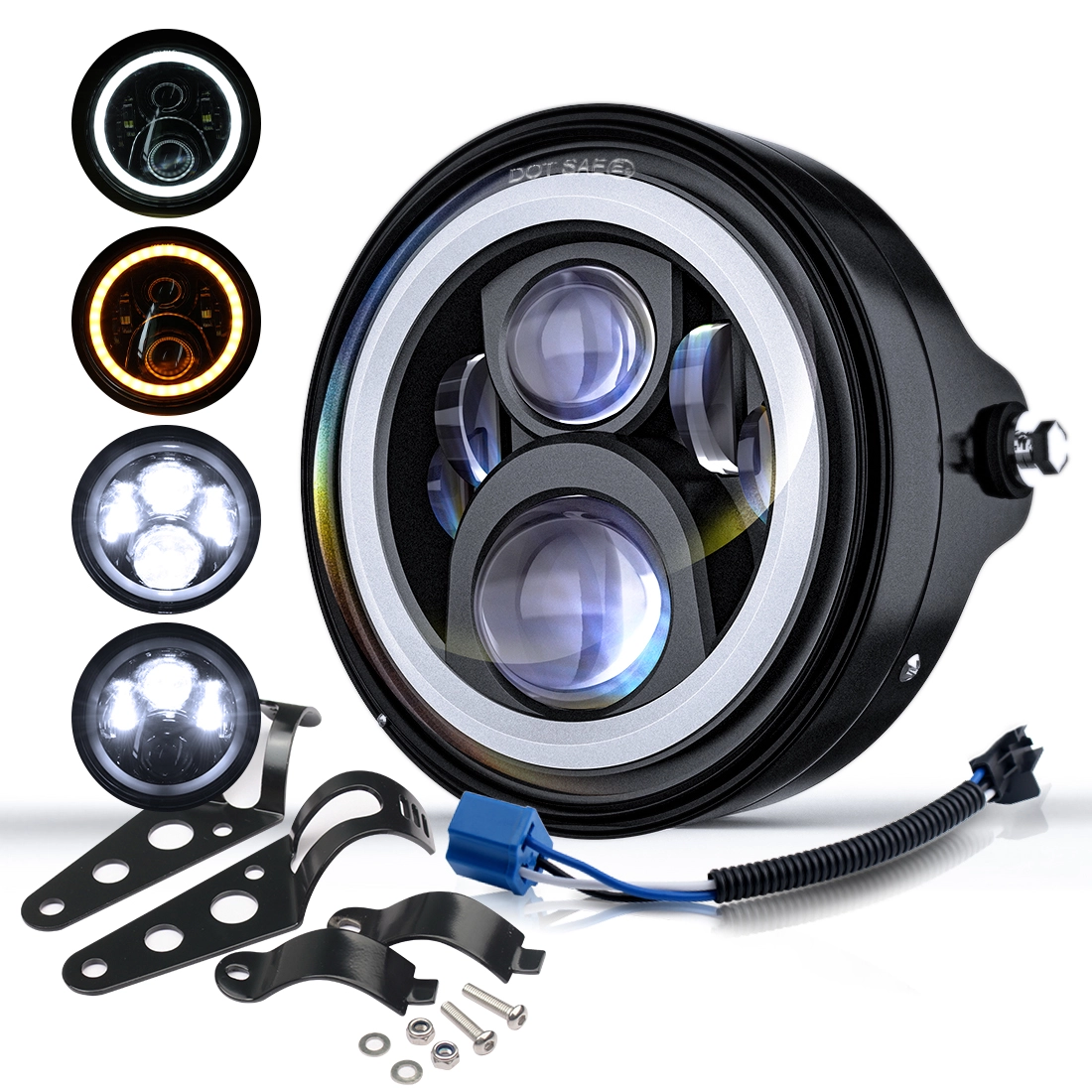
Motorcycle Led Headlight - Model C1H-WA
Bliauto Motorcycle Headlight - Model C1H-WA: High-quality LED design from leading brand manufacturers of motorcycle headlights. Precision Manufacturing Motorcycle Headlight ensures high visibility, durability, and easy fit for all riders.

Jump Starter - Model JS1
Bliauto JS1 Jump Starter – Reliable Power On-the-Go As a brand manufacturer & wholesale jump starter supplier, Bliauto delivers high-quality portable power solutions. The JS1 Jump Starter provides instant engine starts, USB charging, and durable performance—ideal for emergencies. Trusted by professionals, it’s compact, safe, and backed by expert engineering. Wholesale options are available—power up with Bliauto! Optimized for SEO with target keywords while maintaining clarity and brand authority. Let me know if you'd like refinements!
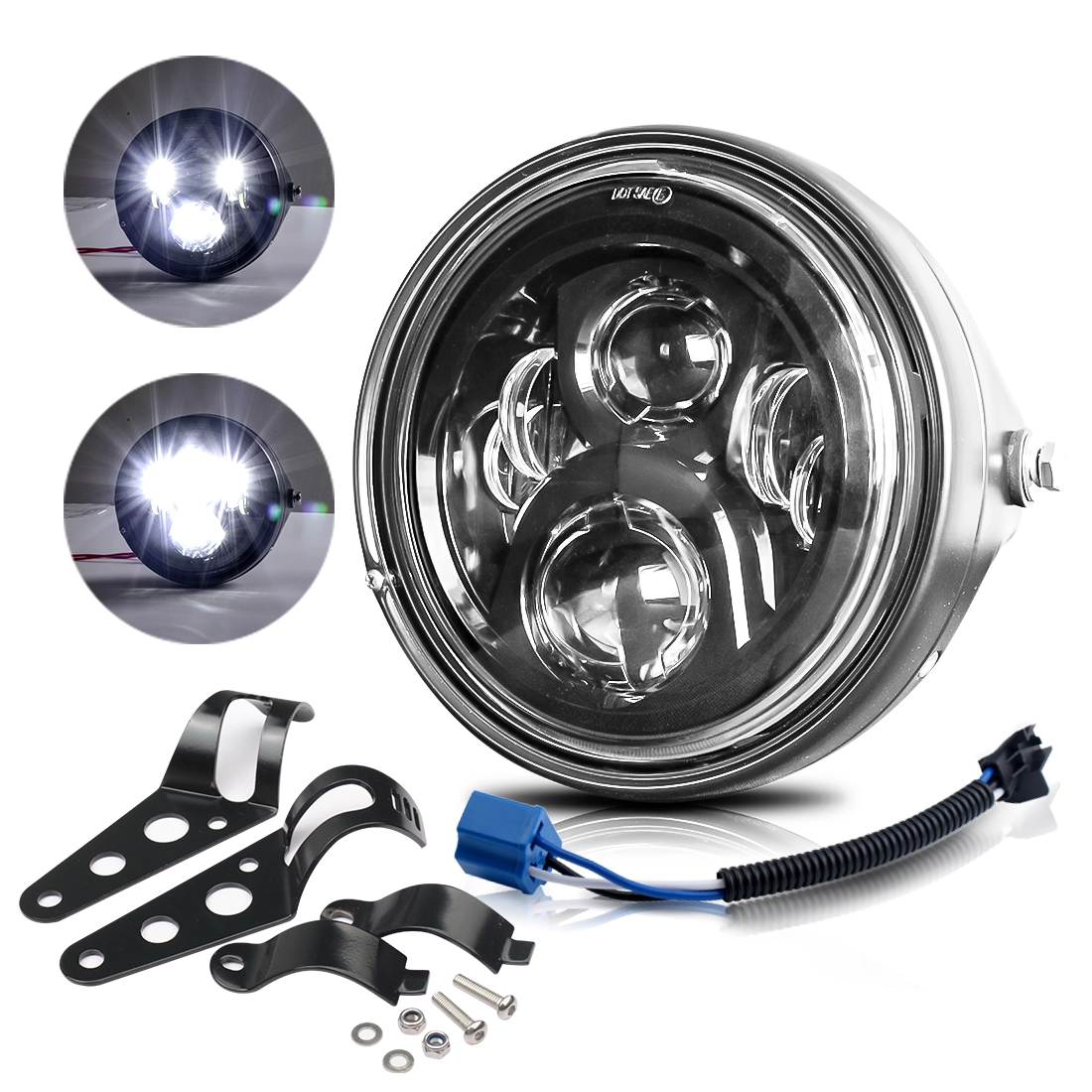
Motorcycle Led Headlight - Model C1H-HL
Bliauto Motorcycle Headlight - Model C1H-HL: High-quality brand motorcycle headlight with durable LEDs, easy installation, and high-beam performance. Trusted brand manufacturers motorcycle headlights for safety. Choose Manufacturing Motorcycle Headlight quality.
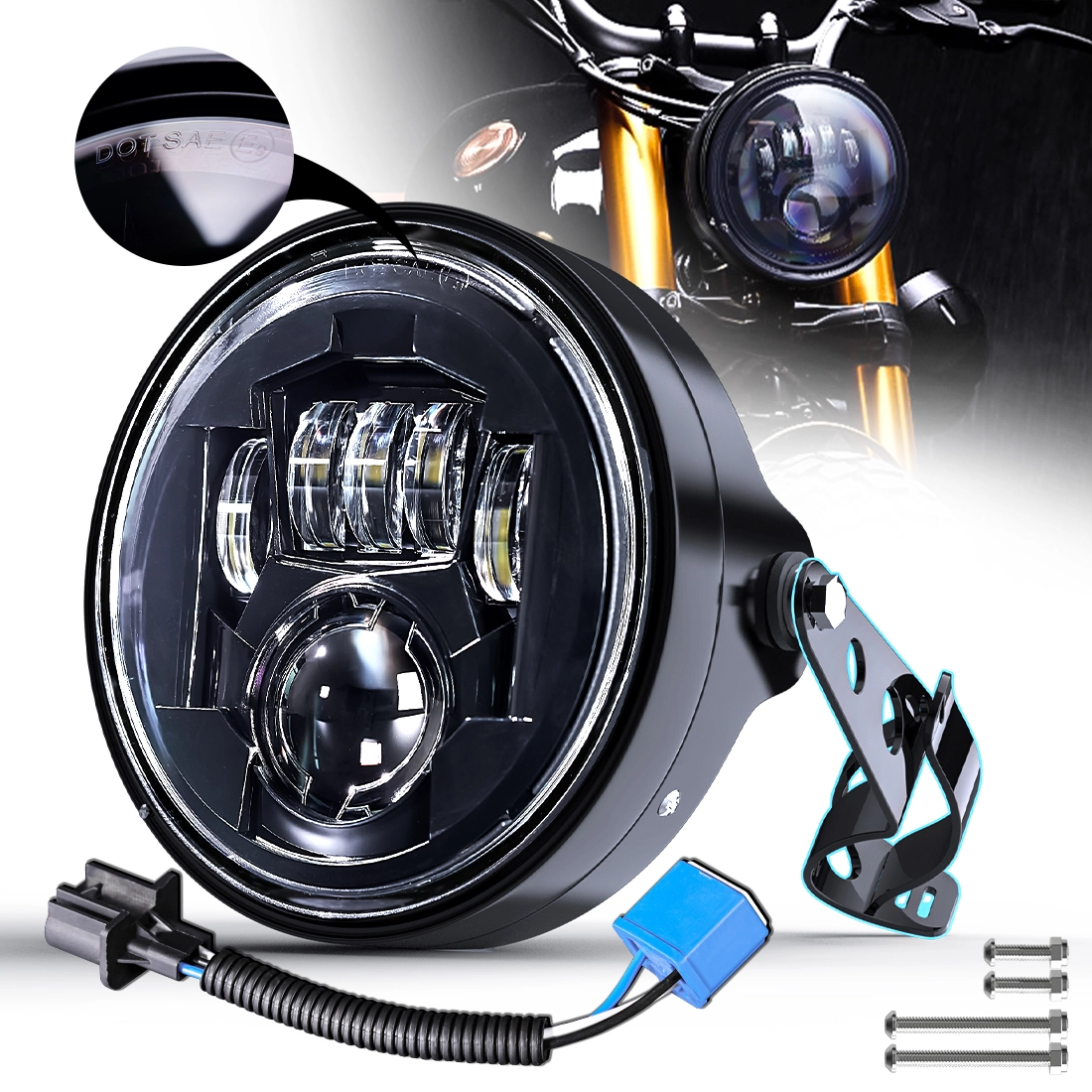
Motorcycle Led Headlight - Model C2H-HL
Bliauto Motorcycle Headlight - Model C2H-HL: high-brightness, energy-efficient LED beam for superior visibility and durability. Perfect for brand manufacturers of motorcycle LED headlights, manufacturing motorcycle LED headlights, and brand motorcycle LED headlight supply.
Your Trusted Partner for Customized Automotive LED Lighting Solutions
 info@bliauto.com
 +86 188 1184 6160
© 2025 Bliauto All Rights Reserved.
Bliauto
Bliauto Light
Bliauto
Bliauto Light
Bliauto
Whatsapp: +8618811846160