







The Ultimate Guide to LED Off-Road Light Bars: Mastering Visibility & Tech in 2026
A definitive guide to selecting, installing, and maintaining LED off-road light bars. Covers advanced 2026 technology trends, legal compliance, and expert buying advice.
- What is an LED Off-Road Light Bar?
- Key Takeaways: Your Essential Guide to Off-Road Illumination
- Why Upgrade to an LED Off-Road Light Bar? (The Unrivaled Advantages)
- Understanding LED Light Bar Technology and Core Components
- Chip Technology: Cree vs. Osram
- Heat Management
- The Ultimate Buying Guide: Choosing Your Perfect LED Off-Road Light Bar
- 1. LED Beam Patterns Explained
- 2. IP Ratings: IP67 vs. IP68 vs. IP69K
- Comprehensive Installation Guide: Powering Up Your Off-Road Visibility
- Step-by-Step Installation Overview
- Expert Maintenance, Troubleshooting, and Longevity Tips
- Legal Landscape: Navigating Regulations for Off-Road Light Bar Use
- Compliance Checklist
- The Future of Off-Road Illumination: Technologies Beyond 2026
- Frequently Asked Questions (FAQ)
- What is the ideal lumen count for an off-road LED light bar?
- What does an IP rating mean for an LED light bar?
- Can I use an off-road LED light bar on public roads?
- What's the difference between a spot and a flood beam pattern?
- How do I choose the correct size LED light bar for my vehicle?
- Is professional installation required for LED off-road light bars?
- How long do LED off-road light bars typically last?
- What are common issues with LED off-road light bars and how do I troubleshoot them?
What is an LED Off-Road Light Bar?
An LED off-road light bar is a high-intensity auxiliary lighting system designed to illuminate rugged terrain where standard headlights fail. These units utilize banks of Light Emitting Diodes (LEDs) to project powerful beams, significantly enhancing safety and visibility for off-pavement driving.
While standard headlights are optimized for paved roads, off-road lighting technology is engineered to penetrate deep darkness, dust, and adverse weather. Modern light bars are not just about raw brightness; they are sophisticated devices featuring advanced thermal management, precise optics, and ruggedized housings built to withstand extreme vibration and impact.
Key Takeaways: Your Essential Guide to Off-Road Illumination
· Durability is Paramount: Prioritize an IP rating for light bars of at least IP68 or IP69K for maximum water and high-pressure spray resistance.
· Beam Patterns Matter: Choose between spot, flood, or combo patterns based on your specific terrain needs.
· Effective vs. Raw Lumens: Focus on effective lumens (actual light output) rather than raw lumens (theoretical maximum).
· Legal Awareness: Most light bars are illegal for on-road use; covers are often mandatory on public highways.
· Future-Proofing: Look for emerging adaptive technologies that adjust beam width based on vehicle speed.
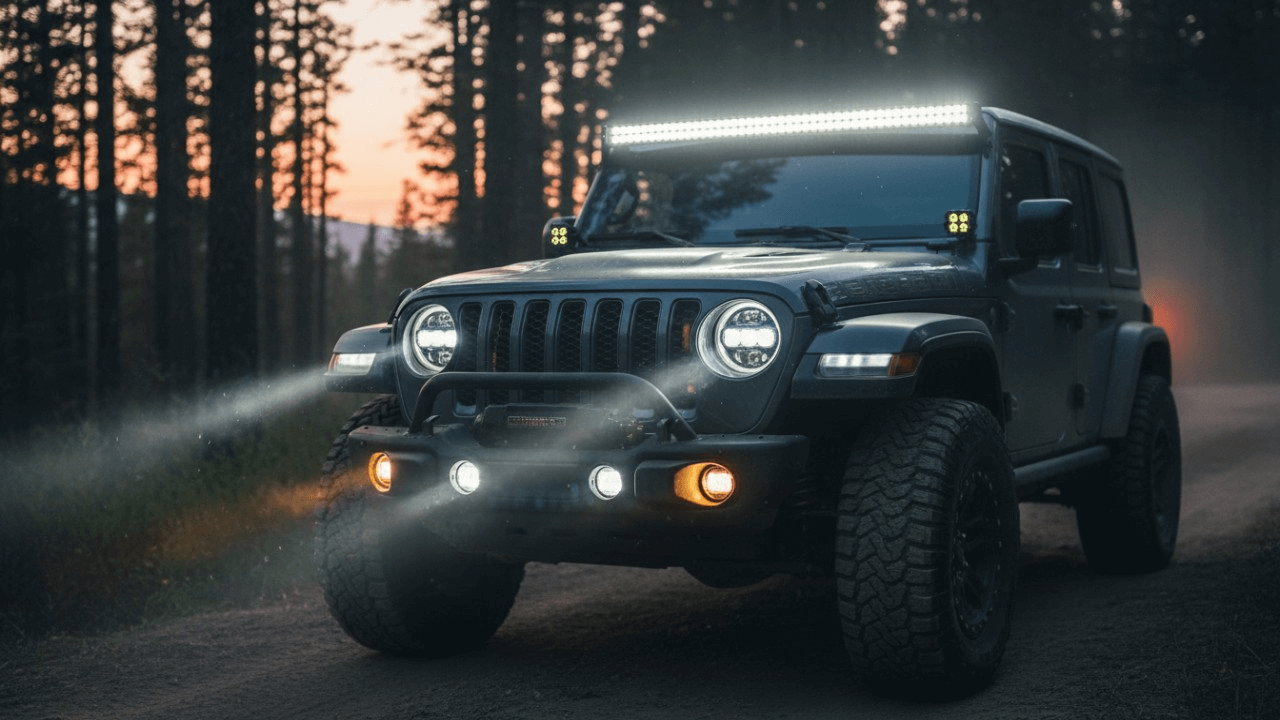
Why Upgrade to an LED Off-Road Light Bar? (The Unrivaled Advantages)
Upgrading to an LED light bar provides a critical safety margin by revealing obstacles, wildlife, and terrain changes long before standard lights would. This proactive visibility reduces driver fatigue and prevents costly vehicle damage.
Beyond safety, these vehicle illumination upgrades offer significant performance benefits:
· Unmatched Brightness: LEDs produce a whiter, more natural light (typically 5000K-6000K) that mimics daylight, reducing eye strain.
· Energy Efficiency: Compared to traditional halogen or HID lights, LEDs draw significantly less amperage, preserving your battery and alternator health.
· Extreme Durability: With no filaments to break, solid-state LEDs can withstand the violent shocks and vibrations typical of washboard trails.
· Longevity: Quality LED bars often rated for 50,000+ hours of operation, outlasting the vehicle itself in many cases.
Understanding LED Light Bar Technology and Core Components
The performance of a light bar is dictated by the quality of its LED chips, thermal management, and optical lens design. It is not just about the number of diodes, but how effectively they are driven and cooled.
Chip Technology: Cree vs. Osram
To make an informed decision, you must understand the heart of the light:
· Osram Chips: Renowned for their high lux output and tight beam focus. They are often the superior choice for spot beams intended for long-distance visibility.
· Cree Chips: Famous for their high efficiency and broader light spread. They often excel in flood or scene lighting applications where immediate area coverage is prioritized.
Heat Management
Efficient automotive auxiliary lighting generates heat. High-end bars use oversized aluminum heat sinks and active thermal management circuits to prevent "thermal throttling," where the light automatically dims to protect itself.
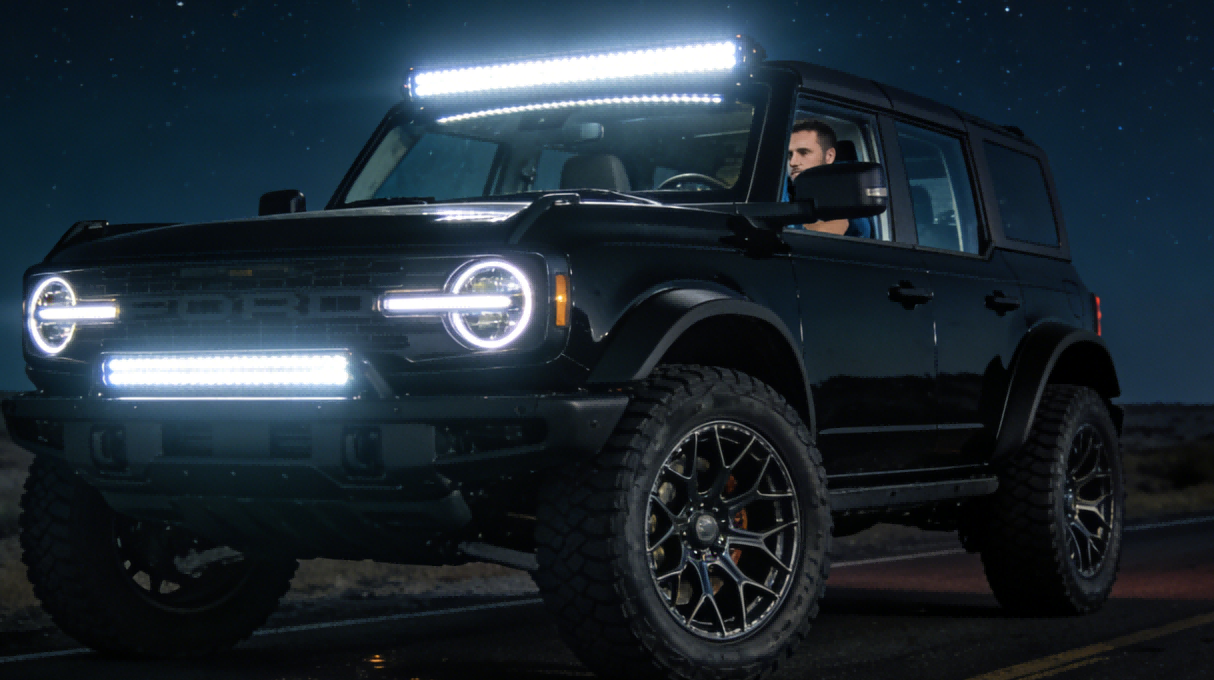
The Ultimate Buying Guide: Choosing Your Perfect LED Off-Road Light Bar
Selecting the right light bar requires balancing physical size, beam application, and environmental protection ratings. A mismatched light can lead to glare, poor visibility, or premature failure.
1. LED Beam Patterns Explained
Understanding how light is distributed is crucial for your specific driving style:
· Spot Beam: A narrow cone (approx. 10-30 degrees) that throws light far down the trail. Best for high-speed driving.
· Flood Beam: A wide cone (approx. 40-60 degrees) that illuminates the immediate sides and front. Ideal for slow rock crawling and winding trails.
· Combo Beam: The most popular choice, combining spot optics in the center and flood optics on the sides for versatile coverage.
2. IP Ratings: IP67 vs. IP68 vs. IP69K
The IP rating for light bars defines their defense against elements:
· IP67: Dust tight and protected against temporary immersion (1 meter for 30 mins).
· IP68: Protected against continuous immersion under pressure. Essential for river crossings.
· IP69K: The gold standard. Protected against high-pressure, high-temperature steam jets. This is critical if you pressure wash your rig after mudding.
Comprehensive Installation Guide: Powering Up Your Off-Road Visibility
A safe installation relies on a dedicated wiring harness with a relay and fuse to isolate the high-draw light bar from the vehicle’s factory wiring. Never wire a high-powered bar directly to a switch without a relay.
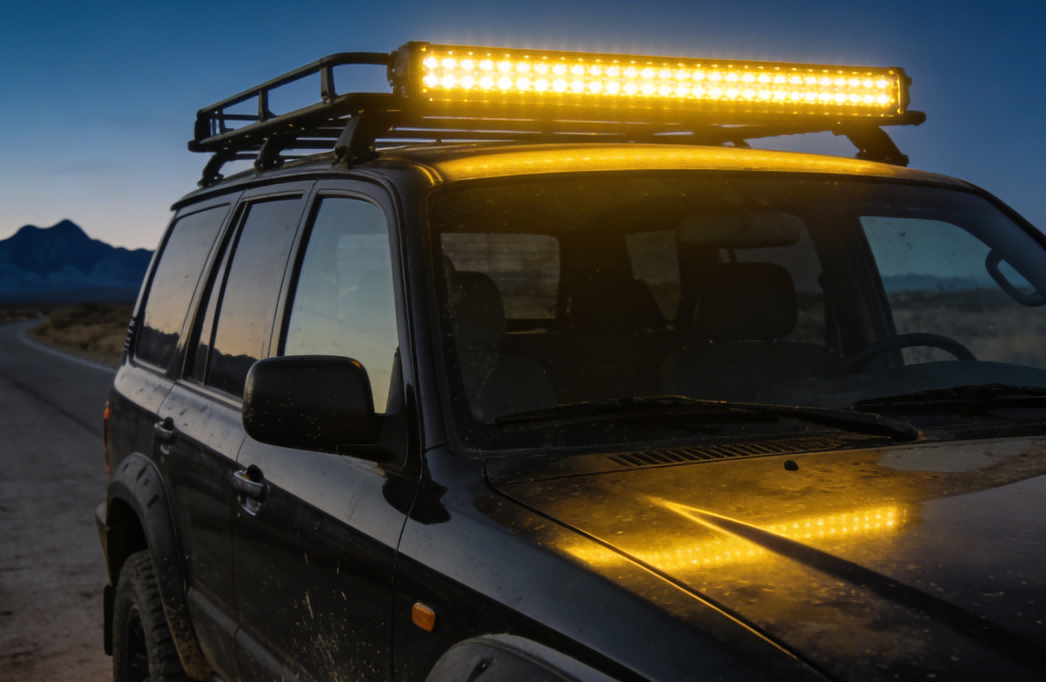
Step-by-Step Installation Overview
1. Mounting: Secure the brackets to your bumper, roof rack, or A-pillar using stainless steel hardware. Use thread locker to prevent loosening from vibration.
2. Wiring the Relay: Mount the relay in the engine bay, close to the battery but away from high heat sources.
3. Power Connections: Connect the fused power wire to the battery positive (+) and the ground wire to the negative (-) or a chassis ground.
4. Routing Cables: Run the connector wire to the light bar and the switch wire through the firewall into the cabin. Use grommets to protect wires from sharp metal edges.
5. Testing: Flip the switch and adjust the vertical angle of the beam. It should point slightly downward to illuminate the terrain, not the sky.
Expert Maintenance, Troubleshooting, and Longevity Tips
Regular maintenance involves checking mounting torque, inspecting wire insulation for chafing, and keeping the lens clean to maximize lumen output. Neglect is the number one cause of light bar failure.
· Condensation Fix: If you see moisture inside the lens, it often indicates a breather valve issue. Run the light for an hour to evaporate it; if it persists, check the seals.
· Lens Care: Do not wipe a dry, muddy lens; this causes micro-scratches. Rinse with water first, then use a mild soap.
· Connection Grease: Apply dielectric grease to all electrical connectors to prevent corrosion, especially if you drive in salted winter conditions.
Legal Landscape: Navigating Regulations for Off-Road Light Bar Use
In the United States, LED light bars are generally illegal to use on public paved roads due to their extreme brightness and lack of a distinct cutoff line. They are classified as "off-road use only."
Compliance Checklist
· Covers Required: Many states (e.g., California, Pennsylvania) require opaque covers on light bars while driving on highways.
· Switching: They must be wired to a switch separate from your factory high beams.
· Height Restrictions: Some jurisdictions limit how high auxiliary lights can be mounted relative to the headlights.
· Glare Laws: Using these lights on-road can result in significant fines and liability if you blind an oncoming driver.
The Future of Off-Road Illumination: Technologies Beyond 2026
By 2026, we expect a shift toward "smart" off-road lighting that integrates with vehicle telemetry to adapt beam patterns dynamically. The static light bar is evolving into an intelligent terrain-scanning tool.
· Adaptive Matrix Lighting: Similar to high-end luxury car headlights, future off-road bars will selectively dim sections of the beam to avoid blinding trail partners while keeping the rest of the path illuminated.
· App & Voice Control: Integration with systems like Apple CarPlay or Android Auto to adjust color temperature (amber for dust, white for clear nights) on the fly.
· Efficiency Leaps: According to recent market analysis, the push for EV off-roaders is driving the development of LEDs that deliver 30% more lumens per watt to preserve battery range.
· Laser Hybrids: Laser phosphor technology is beginning to appear in high-end spotlights, offering throw distances exceeding 1 mile, far surpassing current LED capabilities.
Frequently Asked Questions (FAQ)
What is the ideal lumen count for an off-road LED light bar?
For general trail use, a bar producing 10,000 to 20,000 effective lumens is ideal. However, focus on the lux rating (light distance) rather than just lumens, as a focused beam is often more useful than a scattered one.
What does an IP rating mean for an LED light bar?
The IP (Ingress Protection) rating measures the enclosure's sealing effectiveness. The first digit (6) indicates it is dust-tight. The second digit (7, 8, or 9K) indicates water resistance, with IP69K offering the highest protection against high-pressure jets.
Can I use an off-road LED light bar on public roads?
No, it is typically illegal to activate off-road light bars on public streets. They lack the DOT-approved beam cutoff patterns preventing glare for oncoming traffic. Always use covers when driving on-road to comply with state laws.
What's the difference between a spot and a flood beam pattern?
A spot beam projects light in a narrow, long-distance stream (pencil beam), while a flood beam spreads light wide over a short distance. Spot beams are for speed; flood beams are for technical, slow-speed awareness.
How do I choose the correct size LED light bar for my vehicle?
Measure the mounting surface (bumper, roof, grille) and subtract 1-2 inches for clearance. Common sizes are 20-inch (bumper), 30-inch (grille), and 50-54 inch (roof). Ensure the size does not block airflow to the radiator.
Is professional installation required for LED off-road light bars?
While DIY is possible, professional installation is recommended if you are uncomfortable with automotive wiring or drilling. Incorrect wiring can cause short circuits, blown fuses, or even electrical fires.
How long do LED off-road light bars typically last?
High-quality LED bars are rated for 30,000 to 50,000 hours of usage. This longevity is due to solid-state construction and efficient heat dissipation, far outlasting halogen bulbs.
What are common issues with LED off-road light bars and how do I troubleshoot them?
Common issues include internal moisture, flickering, or partial burnout. Moisture is often fixed by tightening breather valves. Flickering usually indicates a loose ground connection or a failing relay.
Learn more about our automotive lighting products.
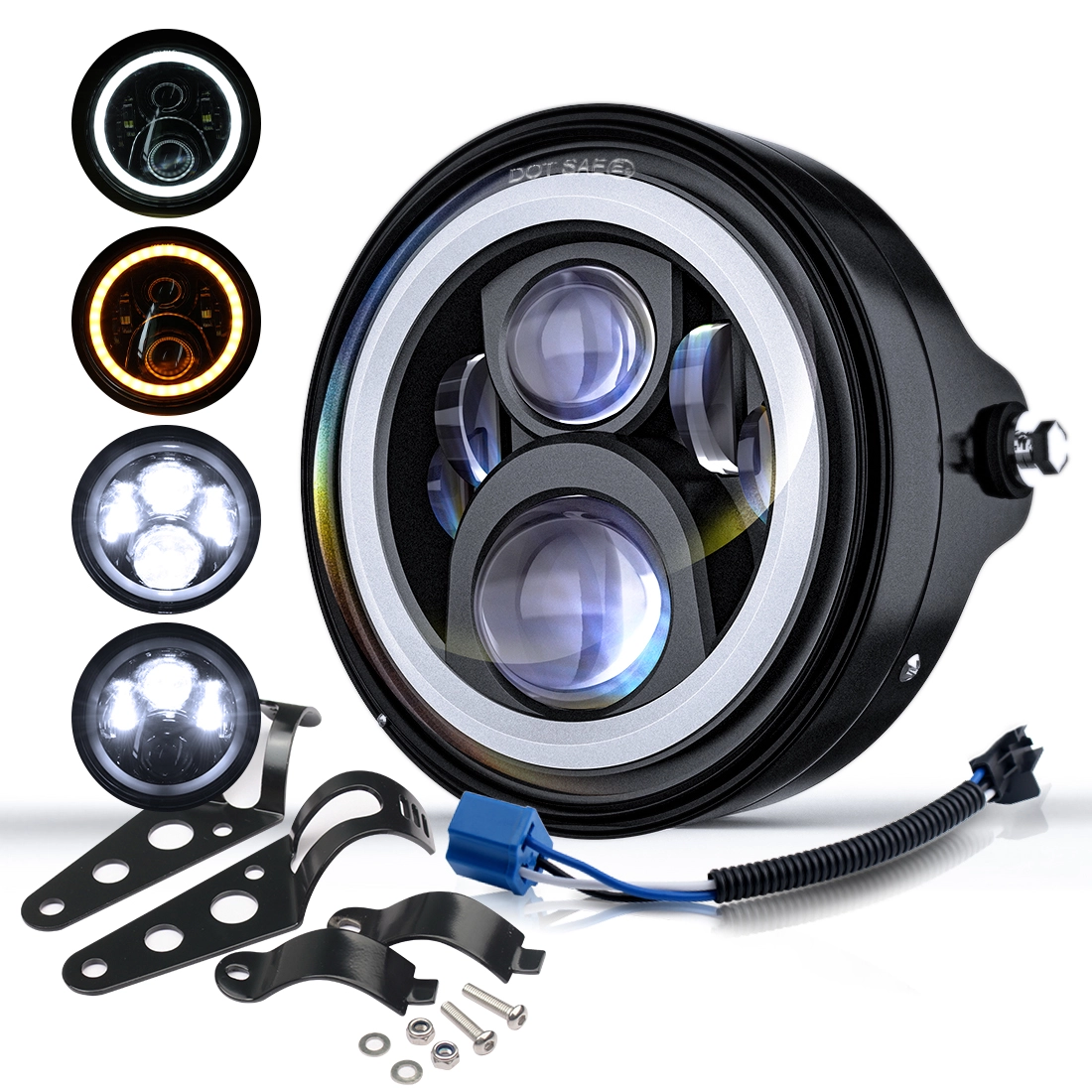
Bliauto Motorcycle Headlight - Model C1H-WA: High-quality LED design from leading brand manufacturers of motorcycle headlights. Precision Manufacturing Motorcycle Headlight ensures high visibility, durability, and easy fit for all riders.

Bliauto JS1 Jump Starter – Reliable Power On-the-Go As a brand manufacturer & wholesale jump starter supplier, Bliauto delivers high-quality portable power solutions. The JS1 Jump Starter provides instant engine starts, USB charging, and durable performance—ideal for emergencies. Trusted by professionals, it’s compact, safe, and backed by expert engineering. Wholesale options are available—power up with Bliauto! Optimized for SEO with target keywords while maintaining clarity and brand authority. Let me know if you'd like refinements!
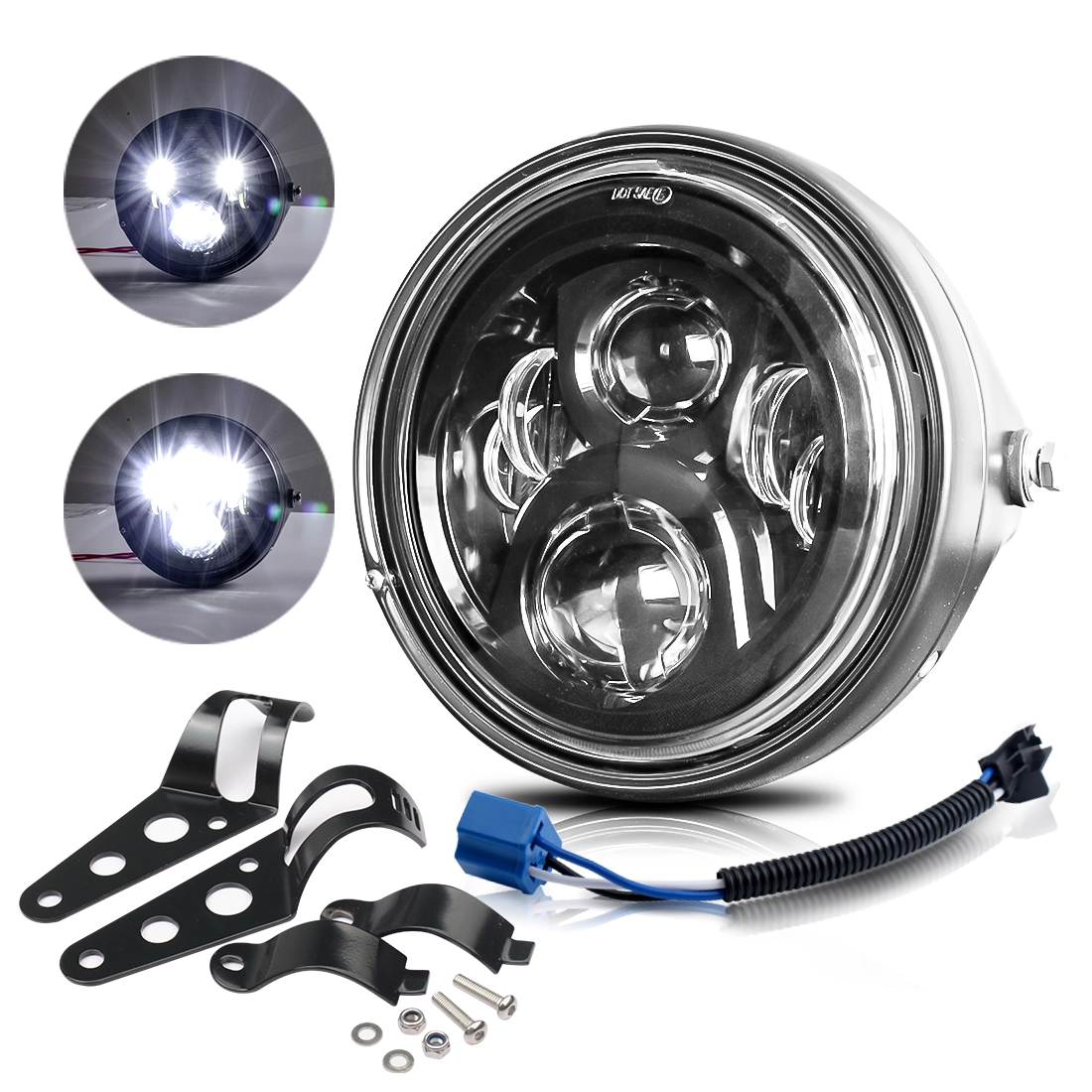
Bliauto Motorcycle Headlight - Model C1H-HL: High-quality brand motorcycle headlight with durable LEDs, easy installation, and high-beam performance. Trusted brand manufacturers motorcycle headlights for safety. Choose Manufacturing Motorcycle Headlight quality.
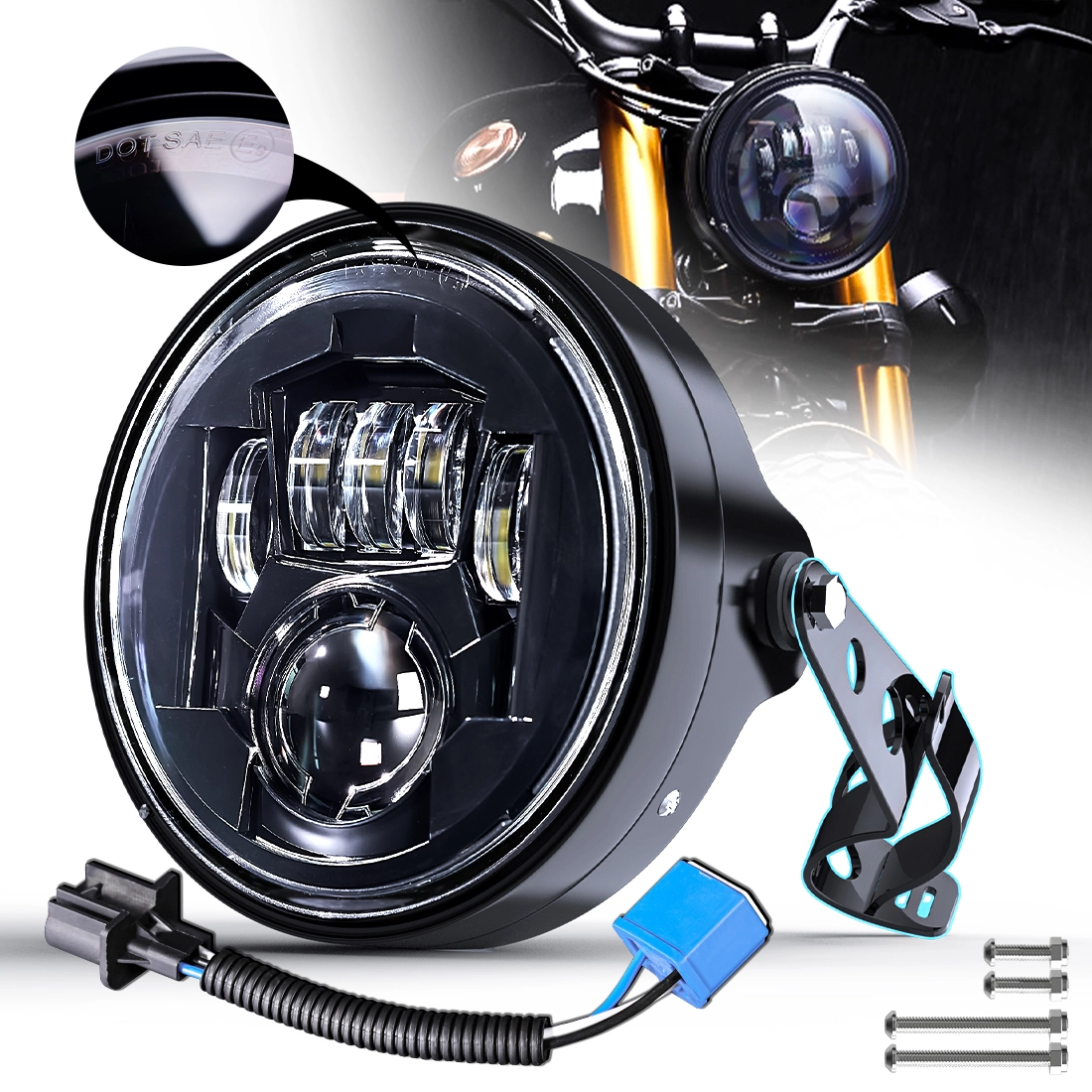
Bliauto Motorcycle Headlight - Model C2H-HL: high-brightness, energy-efficient LED beam for superior visibility and durability. Perfect for brand manufacturers of motorcycle LED headlights, manufacturing motorcycle LED headlights, and brand motorcycle LED headlight supply.
Connect with Bliauto for Automotive LED Lights Solution
Bliauto is dedicated to designing innovative automotive LED lighting systems. Let's talk about your needs!
Your Trusted Partner for Customized Automotive LED Lighting Solutions
 info@bliauto.com
 +86 188 1184 6160
© 2025 Bliauto All Rights Reserved.
Bliauto
Bliauto Light
Bliauto
Bliauto Light
Bliauto
Whatsapp: +8618811846160